Introduction: Entertainment as a Mirror of Society
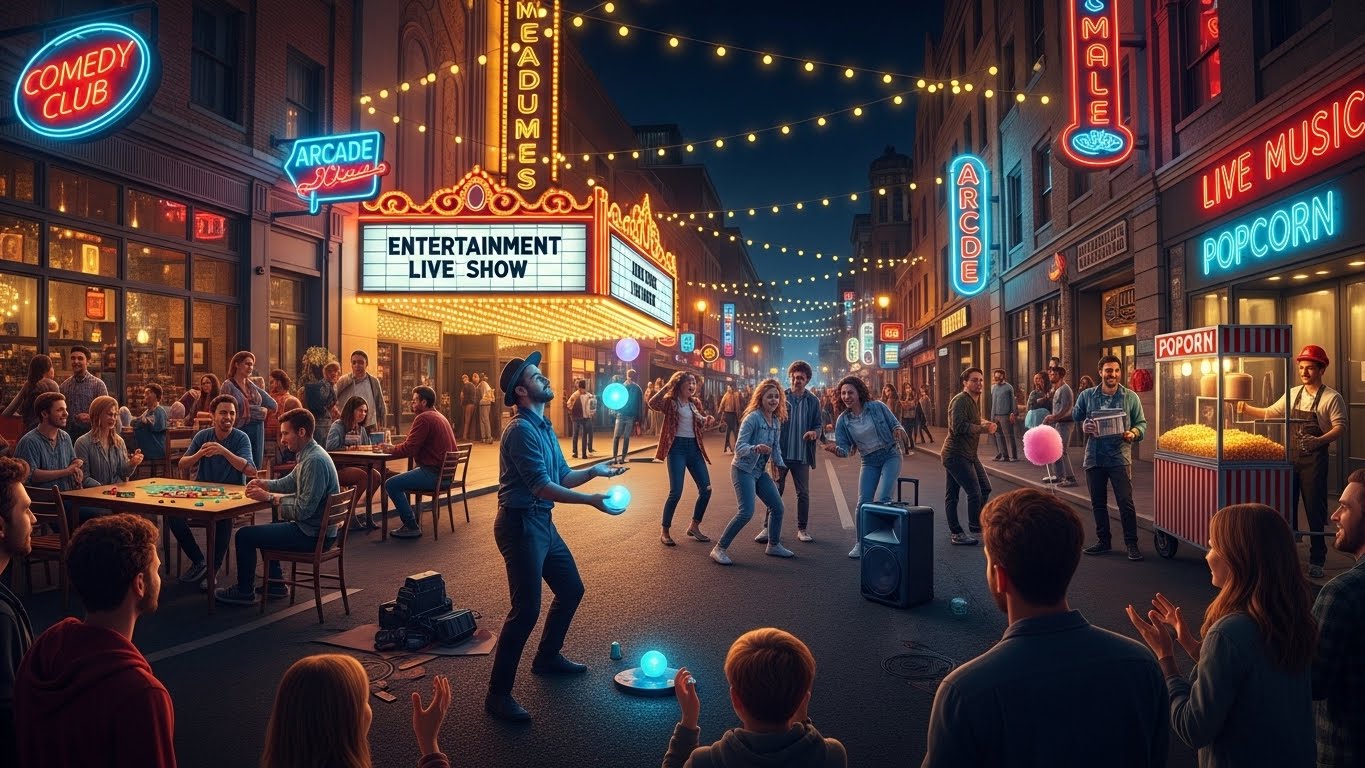
Entertainment has always been a reflection of society, capturing our imaginations, emotions, and cultural values. From ancient theater and music to today’s streaming services and video games, the human desire to be entertained is timeless. Entertainment not only provides relaxation and amusement but also informs, inspires, and unites people across the globe. In the modern era, it has transformed into a dynamic ecosystem where technology, creativity, and audience engagement intersect. The evolution of entertainment mirrors how society communicates, celebrates, and dreams.
The Historical Journey of Entertainment
Entertainment has undergone remarkable changes throughout history. In prehistoric times, people gathered around fires to share stories, sing songs, and perform rituals. These activities were not just for amusement—they helped communities bond and preserve culture. As civilizations advanced, entertainment evolved to include theater, dance, and live performances for public audiences.
The invention of print, radio, and cinema expanded entertainment’s reach, allowing stories and performances to cross geographical boundaries. In the twentieth century, television brought serialized dramas and live events into homes, creating shared cultural moments. Today, digital technology has broken traditional barriers, making entertainment more accessible, interactive, and personal than ever before.
Streaming Platforms and On-Demand Entertainment
The rise of streaming platforms has redefined how people consume movies, series, and music. Platforms now offer vast libraries of content, allowing viewers to watch or listen at their convenience. On-demand entertainment has replaced rigid schedules, giving audiences the freedom to explore genres, cultures, and languages from anywhere in the world.
Streaming services also empower creators. Independent filmmakers, musicians, and storytellers can reach global audiences without relying on traditional studios or labels. This democratization has led to diverse content that appeals to niche and mainstream audiences alike. The availability of international shows and films has introduced audiences to new perspectives, fostering cultural exchange and appreciation.
The Transformation of Music in the Digital Age
Music has always been a cornerstone of entertainment, but digital platforms have changed the way people experience it. Streaming services, playlists, and algorithm-based recommendations allow listeners to discover artists and genres tailored to their preferences. Music videos and virtual concerts add visual elements to auditory experiences, creating multi-sensory engagement.
Artists now experiment with blending genres and collaborating across borders, resulting in innovative and global sounds. Independent musicians can achieve fame without a record label, proving that talent and digital reach are enough to capture audiences. Music continues to reflect emotion, culture, and social change while adapting to technological advancements.
The Rise of Gaming as a Cultural Phenomenon
Gaming has emerged as one of the most influential forms of modern entertainment. Video games are no longer simple pastimes; they are immersive experiences combining storytelling, art, and technology. Open-world games, role-playing adventures, and competitive multiplayer platforms offer interactive worlds where players actively shape narratives.
Online gaming fosters social communities, allowing players from different countries to collaborate and compete. Esports has become a professional arena, attracting global audiences and offering substantial prize pools. Gaming’s influence extends beyond entertainment, impacting education, teamwork, and problem-solving skills. It has evolved into a powerful medium for both creativity and connection.
Social Media as an Entertainment Hub
Social media platforms have become central to modern entertainment. They offer short videos, memes, challenges, and live streaming that engage audiences directly. Unlike traditional media, social platforms create an interactive environment where viewers participate in trends, respond to content, and co-create experiences.
Influencers and content creators have become entertainment leaders, bridging the gap between traditional celebrities and everyday audiences. Their relatability and consistent interaction cultivate communities around shared interests. Social media trends can spread rapidly, shaping cultural conversations and influencing other entertainment forms, from music to film.
Cinema in the Digital Era
Despite the rise of digital entertainment, cinema remains a cherished art form. Movie theaters provide immersive experiences through large screens, advanced sound systems, and communal viewing. Filmmakers continue to innovate with visual effects, storytelling techniques, and diverse narratives.
Globalization has widened the reach of films, allowing audiences to enjoy international cinema and gain exposure to diverse cultures. Independent filmmakers also benefit from digital distribution, reaching audiences without traditional studio support. Cinema continues to inspire and entertain, balancing artistry with technological innovation.
The Power of Live Performances
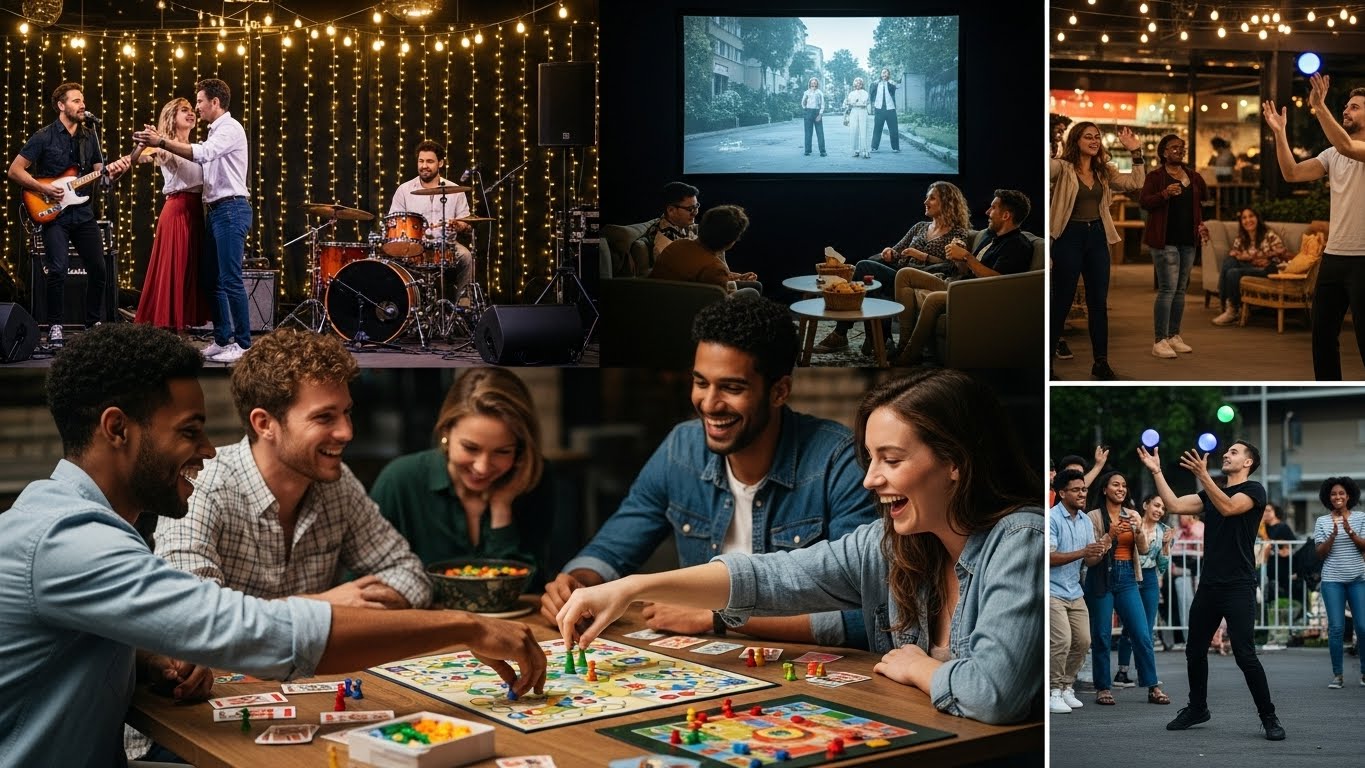
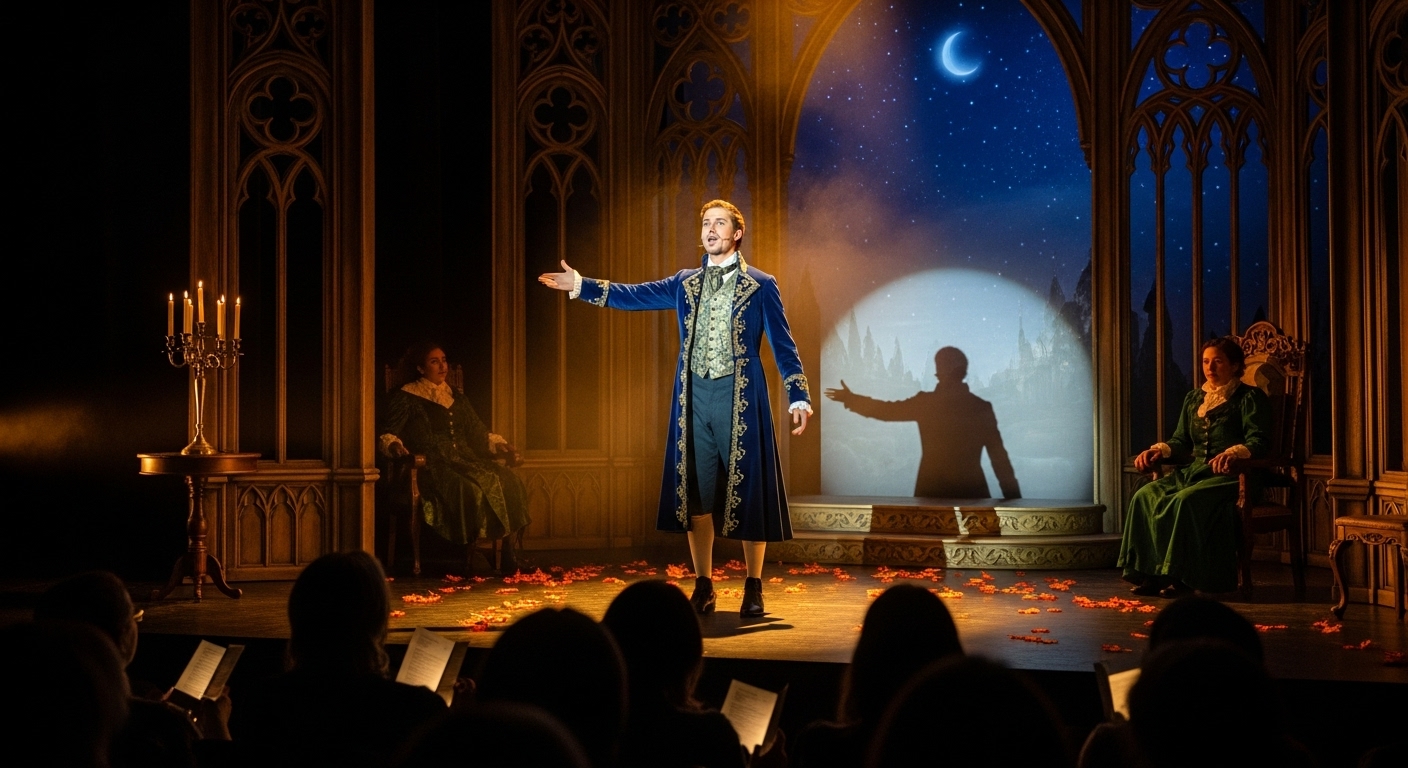
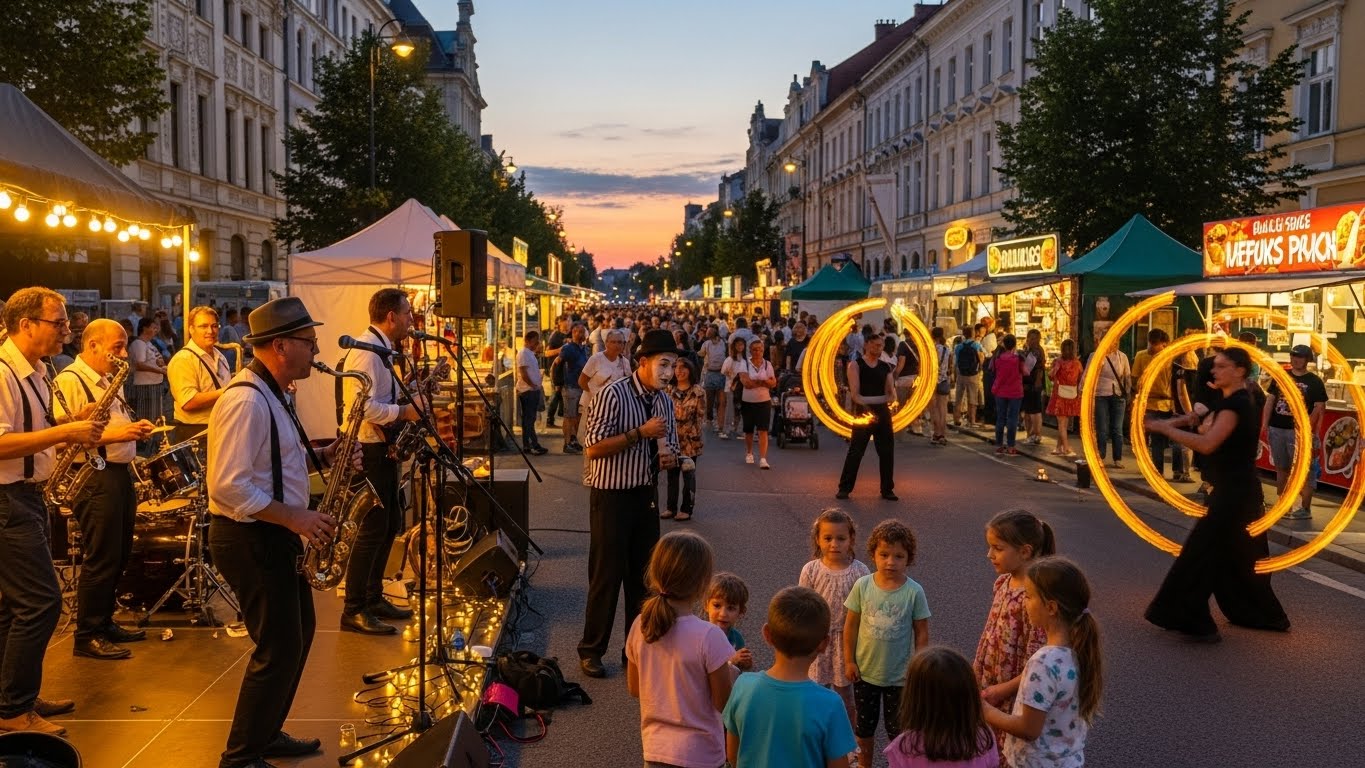
Live performances, including concerts, theater, and comedy shows, hold a unique place in entertainment. They create shared experiences and evoke emotions that digital platforms cannot fully replicate. Performers interact directly with audiences, creating memorable moments of connection.
In recent years, live events have expanded into hybrid experiences, combining in-person attendance with live streaming. Virtual concerts allow global audiences to participate in real-time, while interactive theater experiments invite viewers to influence storylines. The essence of live entertainment—emotional engagement—remains central, even as technology reshapes the format.
The Role of Influencers and Digital Creators
Influencers have become an integral part of entertainment, blending personality, creativity, and audience engagement. Unlike traditional celebrities, they grow their presence through authentic content, interaction, and relatability. Influencers create content spanning comedy, fashion, gaming, travel, and lifestyle, often setting trends and inspiring participation.
Their influence extends beyond entertainment, shaping marketing, social behavior, and cultural norms. Audiences engage directly with creators, providing feedback and collaborating in trends. This participatory culture has transformed entertainment from a passive experience into a dynamic, interactive ecosystem.
Emerging Technologies in Entertainment
Technology continues to revolutionize entertainment. Virtual reality and augmented reality offer immersive experiences, allowing audiences to step into stories, games, and concerts. Artificial intelligence personalizes content, tailoring experiences to individual preferences and even creating interactive narratives.
These innovations blur the boundaries between creator and consumer, making entertainment more engaging and dynamic. The integration of technology ensures that entertainment remains a living, evolving medium, capable of captivating audiences in new and unprecedented ways.
Cultural and Social Impact of Entertainment
Entertainment is not just about amusement; it reflects and shapes culture. Movies, music, games, and social media content influence fashion, language, trends, and social awareness. Global access to entertainment fosters cross-cultural understanding and appreciation, exposing audiences to diverse ideas and perspectives.
Entertainment also has educational value, raising awareness about social issues and inspiring change. Documentaries, narrative films, and games can challenge perceptions, encourage empathy, and spark conversations. It serves as a mirror of society while also acting as a catalyst for progress and creativity.
Conclusion: The Timeless Appeal of Entertainment
Entertainment is a constant companion in human life, evolving alongside culture and technology. From ancient storytelling to modern digital experiences, it connects people, inspires creativity, and reflects societal values. The rise of streaming, social media, gaming, and virtual experiences has expanded its reach and diversity, making entertainment more immersive, personalized, and interactive.
As technology continues to advance, entertainment will adapt, offering experiences that engage audiences in unprecedented ways. Its essence, however, remains the same: to amuse, inspire, and connect people across generations and cultures. Entertainment is not just a pastime; it is a reflection of human imagination, a celebration of creativity, and a bridge that unites us all.