Entertainment is a universal human pursuit that spans cultures, generations, and mediums. It reflects creativity, inspires imagination, and provides a much-needed escape from daily life. From movies and music to gaming, live performances, and digital content, entertainment influences society, drives culture, and even shapes technology. Understanding its impact highlights why entertainment remains an essential part of human experience.
The Evolution of Entertainment
Entertainment has evolved alongside human civilization. Early humans engaged in storytelling, music, dance, and communal rituals as a way to educate, communicate, and celebrate. Ancient civilizations developed theater, poetry, and festivals that blended culture, religion, and social engagement.
The invention of printing, photography, and cinema brought new forms of entertainment to wider audiences. The 20th century introduced radio, television, and recorded music, transforming the way people consumed media. Today, digital technology, streaming platforms, and interactive media allow global access to entertainment, creating an interconnected and dynamic cultural landscape.
Entertainment as a Cultural Mirror
Entertainment reflects the values, aspirations, and struggles of societies. Movies, literature, and music often explore social themes, human emotions, and cultural identity. Through entertainment, audiences gain insight into different perspectives, histories, and lifestyles, fostering empathy and understanding.
Cultural representation in entertainment also shapes societal norms and inspires movements. Stories told through films, series, and performances can spark discussions about diversity, equality, and human rights, demonstrating the power of media to influence public consciousness.
Film and Cinema
Film has long been one of the most influential forms of entertainment. Movies combine storytelling, visual art, and sound design to create immersive experiences that captivate audiences. Hollywood, Bollywood, and international cinema produce diverse genres, from drama and action to science fiction and documentaries, appealing to varied tastes.
Cinema not only entertains but also educates and inspires. Films can preserve history, explore philosophical questions, and highlight social issues. The advent of digital filmmaking and streaming services has made movies more accessible than ever, allowing audiences worldwide to experience storytelling in new and engaging ways.
Music and Performing Arts
Music is a universal language that transcends cultural and linguistic boundaries. It evokes emotion, provides rhythm to daily life, and fosters community through concerts, festivals, and performances. Music evolves with technology, from analog records and cassette tapes to digital streaming and virtual concerts.
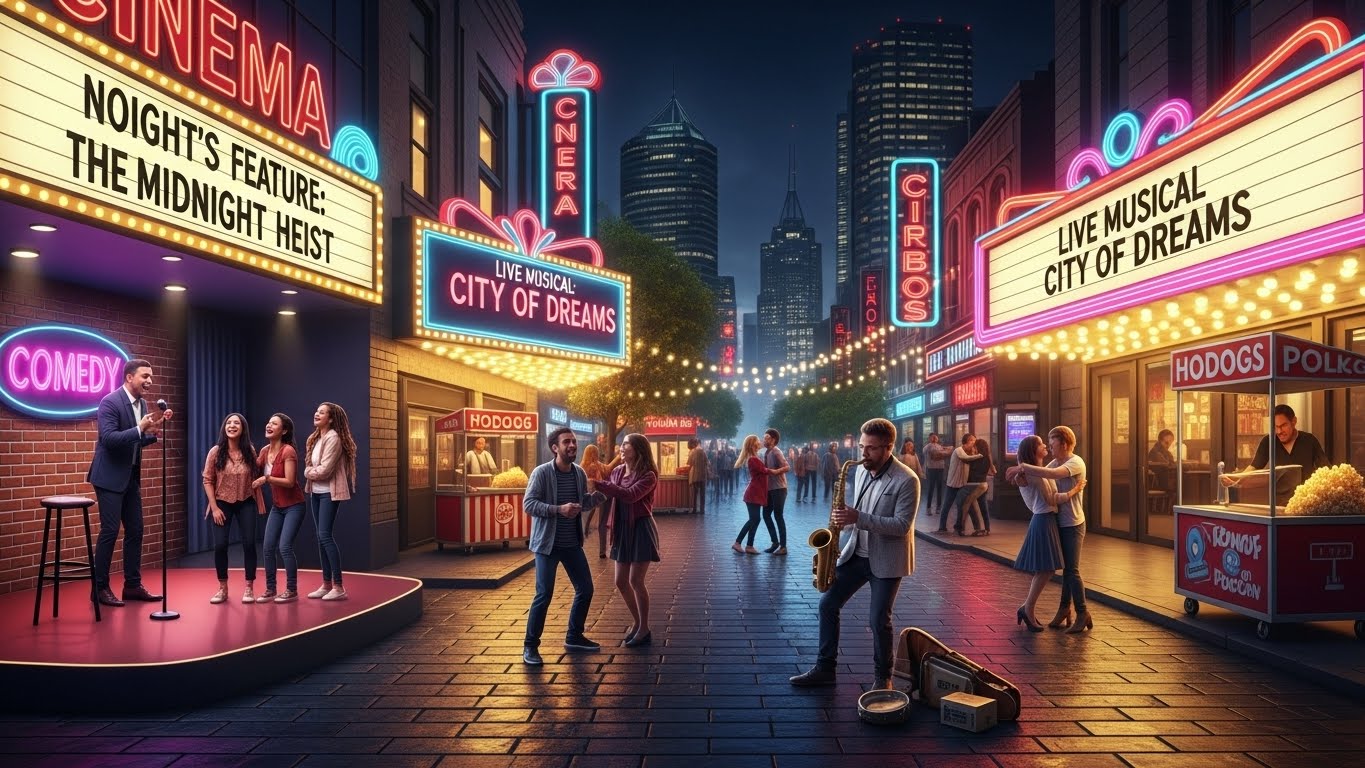
Performing arts, including theater, dance, and live performances, provide interactive and immersive experiences. They allow audiences to witness human creativity and skill in real time, creating shared emotional connections. Both music and performing arts contribute to personal expression, cultural identity, and entertainment value.
Gaming and Interactive Entertainment
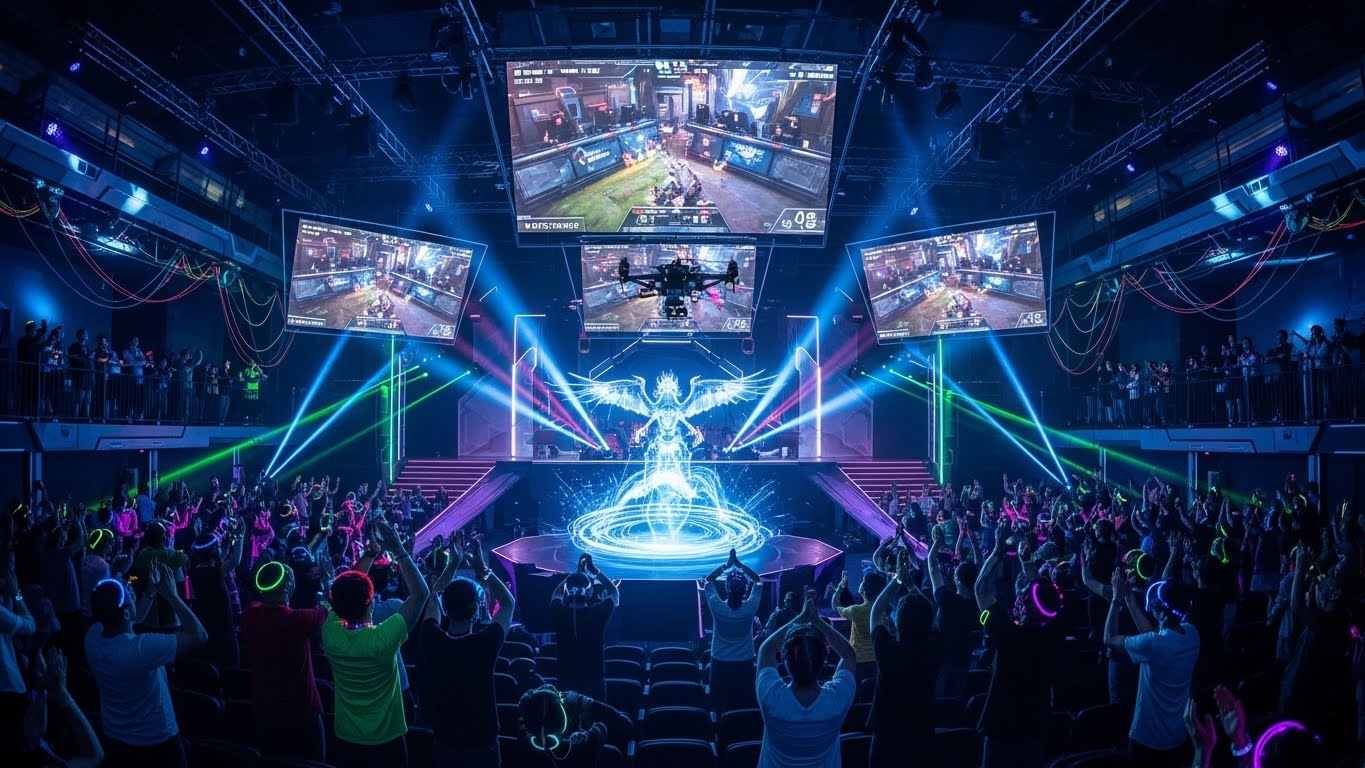
Gaming has emerged as a dominant form of entertainment in the modern era. Video games combine interactivity, storytelling, and strategy to create immersive experiences. They appeal to a diverse audience and foster social interaction through multiplayer modes, online communities, and esports competitions.
Interactive entertainment, including virtual reality and augmented reality, provides new ways to engage audiences. These technologies create immersive worlds where players can explore, interact, and shape narratives, blending entertainment with innovation. Gaming demonstrates how technology can enhance creativity and engagement in entertainment.
Television and Streaming Media
Television revolutionized entertainment by providing visual storytelling directly to homes. From sitcoms and dramas to documentaries and reality shows, television has shaped public opinion, influenced culture, and provided consistent access to entertainment.
The rise of streaming services has transformed media consumption. Platforms offer on-demand access, personalized recommendations, and a vast library of content across genres. Streaming has democratized entertainment, enabling audiences to choose what, when, and how they watch, increasing convenience and engagement.
Literature and Storytelling
Books, novels, and poetry remain fundamental forms of entertainment. Literature engages the imagination, explores human experiences, and allows readers to explore worlds beyond their own. Storytelling is central to entertainment, whether delivered through printed text, oral traditions, or digital formats.
Modern literature also integrates multimedia, interactive storytelling, and digital distribution, creating new ways for audiences to experience narratives. Literature preserves cultural heritage, stimulates creativity, and provides intellectual engagement alongside enjoyment.
The Social Impact of Entertainment
Entertainment fosters social connection and community. Concerts, sports events, film festivals, and gaming tournaments bring people together to share experiences, celebrate creativity, and engage in collective enjoyment.
Social media and digital platforms enhance interaction between creators and audiences. Fans can discuss, review, and share content, creating online communities that transcend geographical boundaries. Entertainment therefore not only entertains but also strengthens social bonds and cultural engagement.
Economic Importance of Entertainment
The entertainment industry contributes significantly to the global economy. It provides employment across creative, technical, marketing, and managerial roles. Film production, music, gaming, live performances, and media platforms generate revenue through sales, subscriptions, advertising, and merchandising.
Tourism and events linked to entertainment also stimulate local economies. Festivals, concerts, sporting events, and conventions attract visitors, creating demand for hospitality, transportation, and services. The economic impact underscores entertainment’s value beyond leisure, highlighting its role as a major global industry.
Technology and Innovation in Entertainment
Technology drives innovation in entertainment. High-definition graphics, sound design, and special effects enhance visual and auditory experiences. Streaming, virtual reality, augmented reality, and AI-driven content offer interactive and immersive experiences, expanding possibilities for creators and audiences.
Digital platforms provide access to analytics and feedback, allowing creators to understand audience preferences and tailor content accordingly. Technology ensures that entertainment continues to evolve, meeting the demands of a digital and interconnected world.
Ethical Considerations in Entertainment
Entertainment carries ethical responsibilities. Content should respect cultural sensitivities, avoid harmful stereotypes, and promote inclusivity. Media creators have the power to influence audiences and shape societal perceptions, making ethical considerations vital.
Responsible entertainment also involves addressing issues such as digital addiction, representation, and accessibility. Ensuring that entertainment is engaging, educational, and inclusive enhances its positive impact on individuals and society.
Trends Shaping Modern Entertainment
Modern entertainment is shaped by trends such as immersive experiences, cross-platform storytelling, interactive content, and global collaborations. Audiences increasingly seek personalized, on-demand, and socially connected experiences.
Virtual reality concerts, live-streamed performances, gaming tournaments, and interactive narratives illustrate how entertainment continues to innovate. The convergence of technology, media, and creativity is redefining what it means to be entertained in the digital age.
The Future of Entertainment
The future of entertainment promises even greater interactivity, accessibility, and creativity. Artificial intelligence may enable adaptive storytelling, virtual characters, and predictive content. Blockchain technology could transform digital ownership, collectibles, and monetization.
Globalization and digital platforms will continue to expand cultural exchange, allowing diverse stories, music, and performances to reach worldwide audiences. Entertainment will remain a central part of human experience, blending creativity, technology, and community in ever-evolving ways.
Conclusion
Entertainment is a reflection of human creativity, culture, and innovation. It engages the mind, evokes emotions, and connects communities across the globe. From film and music to gaming, literature, and live performances, entertainment shapes society, influences trends, and drives economic growth.
As technology continues to advance and audiences demand immersive, interactive, and personalized experiences, entertainment will continue to evolve. It will remain an essential aspect of human life, offering enjoyment, inspiration, and cultural enrichment for generations to come. Entertainment is not just leisure—it is a powerful force that shapes how we experience the world and connect with one another.