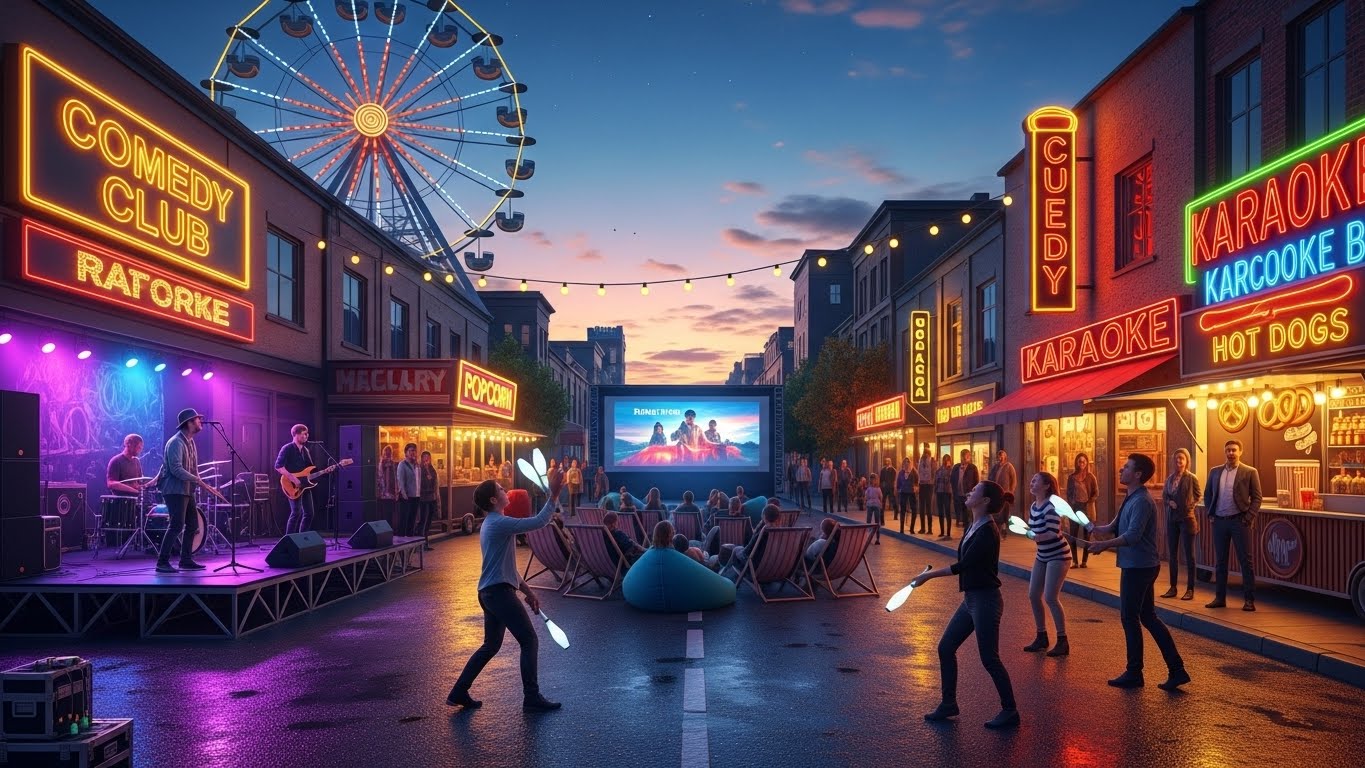
Entertainment is more than a momentary distraction. It is a heartbeat of culture, creativity, and human connection. Whether we immerse ourselves in music, film, gaming, storytelling, or live performances, entertainment brings color to our routines, offers escape when needed, and sparks inspiration that lasts far beyond a single moment of enjoyment. In this blog post, we will explore the ever-evolving world of entertainment, how it influences our lives, and why it continues to thrive as one of the most powerful forces connecting people across the globe.
The Universal Language of Entertainment
Entertainment speaks a universal language. Regardless of where we come from, we share certain emotional threads—laughter, excitement, fear, nostalgia, hope. These emotions allow us to understand and enjoy entertainment without needing translation. A comedic scene triggers laughter even if spoken in another language, and a melody can evoke emotion even without lyrics. This universality makes entertainment a bridge between cultures, helping us understand one another in ways that words sometimes cannot.
Movies and music, in particular, stand at the forefront of this global connection. A film produced in one country may become a sensation in another, and a song sung in a language you don’t know can still stir something familiar within you. This shared experience fosters unity and expands our emotional vocabulary, enriching our lives beyond our immediate environment.
How Entertainment Evolves With Technology
The world of entertainment has transformed dramatically through technological advancement. Once, storytelling happened around fires, in theaters, or through printed pages. Today, we experience stories through virtual worlds, streaming platforms, and interactive media that bring viewers into the narrative itself.
Technology has not only changed the way entertainment is delivered but also how it is created. Filmmakers use digital effects to build immersive universes. Musicians produce high-quality tracks from home studios. Game developers craft elaborate worlds with breathtaking realism. Even social media has become a stage for performers, giving rise to new forms of expression and allowing individuals to reach audiences without traditional gatekeepers.
This evolution has democratized creativity. Anyone with a smartphone can produce content, share it, and potentially become an entertainer in their own right. Technology has removed barriers, giving millions of voices the opportunity to be heard.
The Emotional Power of Storytelling
At the core of most entertainment lies storytelling. From ancient myths to modern movies, stories have always been a vessel through which humans understand the world. They help us explore difficult emotions, understand diverse perspectives, and reflect on our own lives.
A well-crafted story doesn’t just entertain; it transforms. It can offer comfort during difficult times or motivation when we need a push. Stories give us heroes to admire, villains to challenge our thinking, and situations that mirror our own struggles and triumphs.
This emotional impact is why we form strong attachments to characters and narratives. They become part of our personal landscape, influencing our beliefs, dreams, and even the choices we make. Great storytelling leaves an imprint, reminding us that entertainment is not just about fun but about meaning.
Music as the Soundtrack of Our Lives
Music holds a special place in the world of entertainment. It is deeply personal yet universally recognized. A single song can evoke memories more powerfully than any photograph. It captures emotions, amplifies mood, and has the power to connect strangers instantly.
Every era of history has its own musical fingerprint. From classical symphonies to modern pop hits, music reflects the values, struggles, and joys of its time. Today, with access to vast digital libraries, we can explore music from every corner of the globe and discover genres we might never have encountered otherwise.
Music also plays a pivotal role in enhancing other forms of entertainment. Films rely on soundtracks to build tension or highlight emotion. Games use music to guide players through different environments. Even social media thrives on viral songs that help shape trends and cultural moments.
The Rise of Interactive Entertainment
One of the most fascinating developments in the entertainment world is the rise of interactivity. Video games, virtual reality experiences, and live-streamed content allow audiences to participate rather than simply observe. This shift has opened new pathways for creativity and engagement.
Video games, for instance, have become one of the most influential forms of modern entertainment. They combine storytelling, strategy, art, and technology to create dynamic experiences. Players are no longer passive viewers; they are part of the narrative. This sense of agency deepens immersion and strengthens emotional attachment.
Virtual reality takes this even further, placing users directly inside digital environments. Whether exploring fantasy worlds or attending virtual concerts, people can now interact with entertainment in ways once thought impossible. This interactivity has expanded entertainment’s potential, offering experiences that transcend physical limitations.
Live Entertainment and the Power of Presence
Despite the rise of digital media, live entertainment continues to captivate audiences. Concerts, theater productions, comedy shows, and sports events bring people together in ways that recorded content cannot fully replicate. The thrill of being present—hearing the crowd, feeling the energy, witnessing performances in real time—creates a sense of shared excitement that becomes a lasting memory.
Live entertainment also supports local communities. It brings economic activity, fosters creative talent, and strengthens cultural identity. Whether it’s a small-town theater or a massive festival, these events remind us of the importance of gathering, celebrating, and experiencing art collectively.
Entertainment as a Source of Inspiration
Entertainment isn’t just about enjoyment; it’s also a powerful source of inspiration. Many people discover their own creativity through what they consume. A film may spark someone’s passion for directing. A novel may inspire someone to write. A musical performance may awaken a hidden talent.
Even casual exposure to entertainment shapes our imaginative landscapes. It encourages us to dream, think differently, and explore new possibilities. For children especially, entertainment often becomes a catalyst for creativity, helping them express themselves and develop confidence.
The Business of Entertainment
Behind every movie, song, game, or show is an entire industry working to bring ideas to life. The entertainment business is a vast ecosystem of artists, producers, designers, directors, marketers, and technicians. This industry not only fuels global culture but also represents one of the largest economic sectors worldwide.
As consumer habits change, the business must evolve. Streaming has reshaped film and television distribution. Social media has created new marketing strategies and audience engagement methods. Gaming has matured into a professional industry with worldwide competitions and high-earning careers.
The business side of entertainment ensures that creativity can flourish sustainably, supporting millions of jobs and driving innovation year after year.
Why Entertainment Matters More Than Ever
In an increasingly fast-paced world, entertainment offers balance. It gives us an escape from daily pressures, opportunities for relaxation, and moments of pure joy. It also helps us stay informed about different viewpoints, cultures, and stories, expanding our understanding of the world.
During challenging times, people often turn to entertainment for comfort and connection. It reminds us that even in uncertainty, creativity continues, stories endure, and music still plays. Entertainment strengthens resilience by providing emotional support and encouraging optimism.
The Future of Entertainment
The future of entertainment promises even more transformation. Advancements in artificial intelligence, augmented reality, and global connectivity will create new forms of experience that blur the lines between reality and imagination. Personalized entertainment may become standard, with content tailored to individual preferences, moods, and habits.
Emerging technologies will also empower new generations of creators. The tools for producing music, films, games, and art will become more accessible, allowing creative expression to flourish on an even larger scale.
As entertainment evolves, one thing remains constant: its ability to bring people together, spark inspiration, and enrich our lives in countless ways.