Introduction: Entertainment – A Timeless Escape
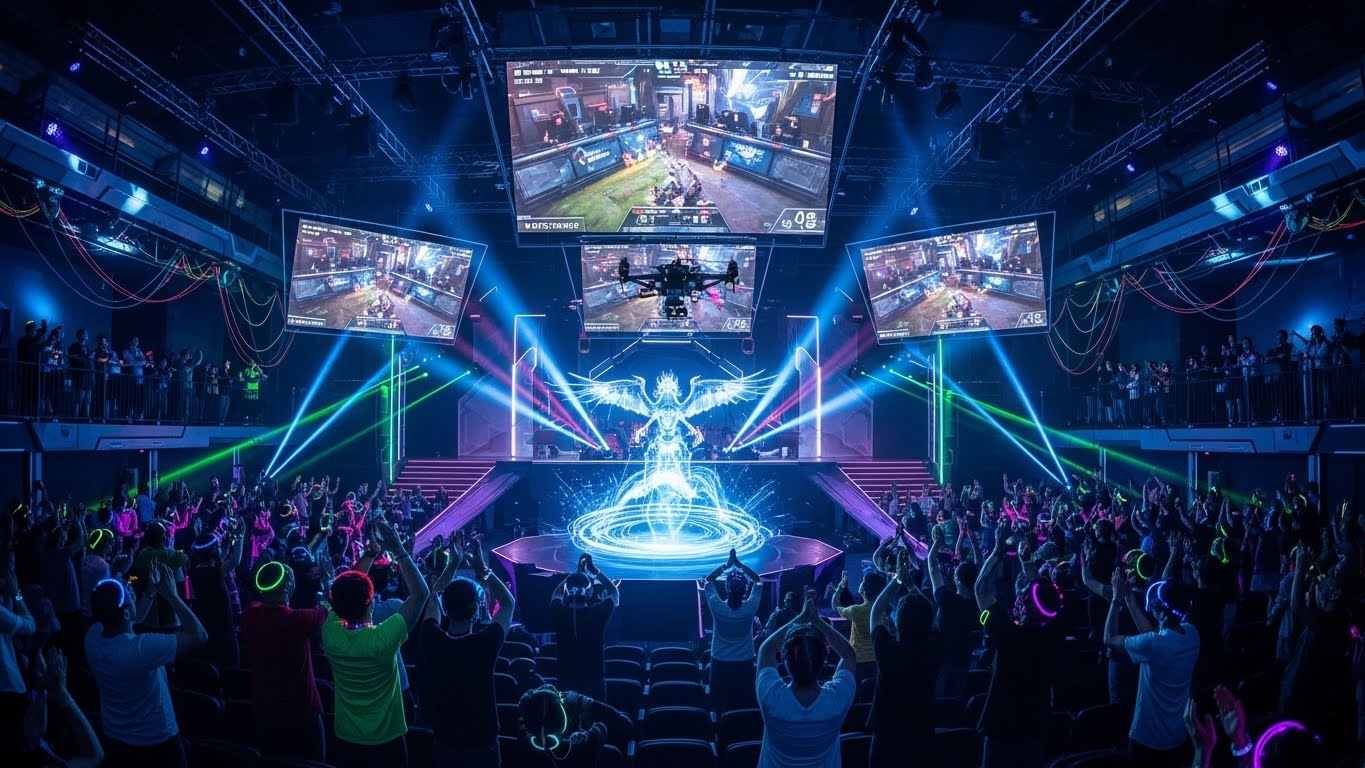
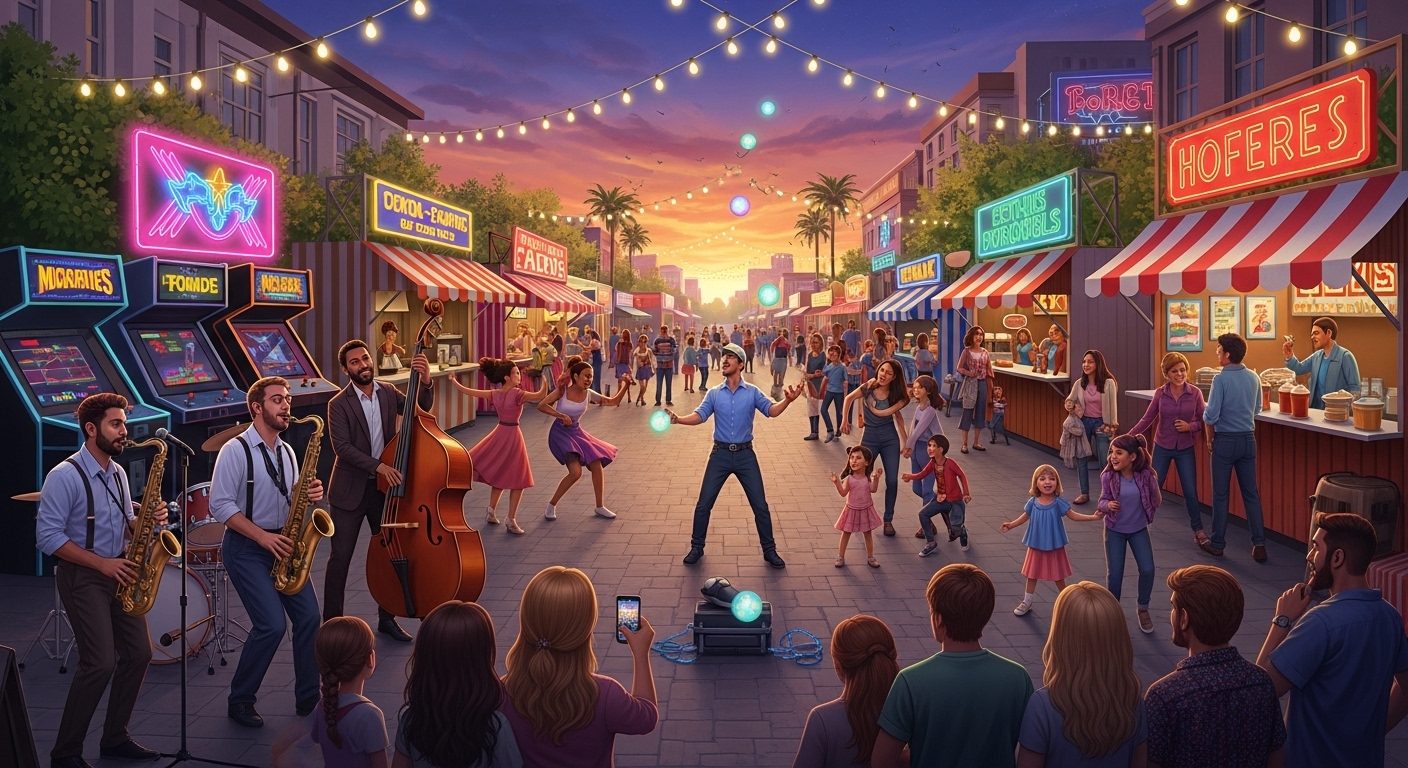
Entertainment has always been an essential part of human culture, a means for individuals to escape the mundane, to engage with stories, and to experience emotions through creative expression. From the caveman’s fire-lit storytelling to the interactive worlds of digital gaming, entertainment has evolved in parallel with society itself. Over the course of history, entertainment has gone through remarkable transformations, influenced by advances in technology, shifts in cultural values, and changes in the way we live and interact with each other. In this blog post, we explore the evolution of entertainment, the factors that shaped its development, and how new technologies are continuing to redefine what entertainment means in our modern world.
The Early Days: The Roots of Entertainment in Human History
Before technology revolutionized entertainment, humans relied on simple, yet meaningful forms of interaction to entertain themselves and each other. Early entertainment was rooted in community activities such as storytelling, dance, and music. In ancient tribes, stories were passed down orally, preserving culture, history, and traditions. Storytellers would gather around a fire, engaging the audience through vivid descriptions, songs, and dramatic retellings of myths and legends. These oral traditions not only entertained but also educated and unified people within their communities.
The earliest form of entertainment was live, social, and spontaneous. It was rooted in human connection, offering an outlet for creativity, celebration, and ritual. As civilizations advanced, so too did entertainment. In ancient Greece, theater became a significant part of cultural life. Greek playwrights like Sophocles, Aeschylus, and Euripides created plays that were performed in large outdoor amphitheaters. These performances were often based on mythological stories, offering audiences a way to reflect on societal issues through tragedy and comedy.
The Rise of Print: Entertainment in the Age of Books and Plays
The invention of the printing press in the 15th century by Johannes Gutenberg marked a monumental shift in the accessibility of information. The printing press made books, pamphlets, and plays more widely available, sparking the spread of literature and new forms of entertainment. The production of printed materials made literature more affordable and accessible, particularly in Europe, where literacy rates began to rise.
During the Renaissance, the theater experienced a golden age. William Shakespeare’s plays, for example, became staples of entertainment in England and beyond, offering a combination of dramatic storytelling, poetry, and rich characterization. The printed book itself became a form of entertainment, with novels and poetry offering an escape from the hardships of daily life. Authors such as Charles Dickens, Jane Austen, and Mark Twain created stories that continue to captivate readers today.
As the Industrial Revolution took hold in the 19th century, new forms of entertainment emerged alongside the changing social and economic landscapes. The rise of the middle class, urbanization, and technological advancements paved the way for new avenues of leisure and enjoyment. The invention of the telegraph and the expansion of the railroads helped to make entertainment more accessible to people in far-flung places.
The Age of Mass Media: The Emergence of Radio, Television, and Cinema
By the early 20th century, entertainment began to take a more commercialized form. The advent of radio in the 1920s provided a new way for people to consume entertainment in their own homes. Families would gather around their radios to listen to music, news broadcasts, dramas, and comedy shows. Radio helped create a shared cultural experience, as people tuned in to hear the same programs.
The film industry experienced a similar transformation in the early 20th century. The silent film era gave way to the “talkies,” which revolutionized cinema by adding sound and dialogue to moving pictures. Hollywood’s golden age in the 1930s and 1940s introduced iconic stars, directors, and films, creating a mass entertainment industry that reached audiences worldwide. Film became the dominant entertainment medium, offering both an escape and a reflection of society’s dreams, fears, and desires.
Television followed suit in the 1950s, further consolidating mass media’s hold over entertainment. By the 1960s and 1970s, TV had become a central part of the household. Families would sit together to watch shows, from sitcoms like I Love Lucy to groundbreaking dramas such as The Twilight Zone. Television brought entertainment directly into the living room, democratizing access to content in ways that radio and cinema couldn’t.
The Digital Revolution: Entertainment in the Age of Computers and the Internet
The real transformation of entertainment began with the digital revolution of the late 20th and early 21st centuries. The rise of personal computers, video game consoles, and the internet fundamentally changed how entertainment was consumed. Instead of relying on scheduled programming or physical media, individuals could access entertainment at the touch of a button, often in real-time.
The internet’s impact on entertainment was profound. With the creation of websites like YouTube in 2005, people could upload and share videos globally, and audiences could discover content outside the mainstream media. This democratization of content allowed independent creators to thrive and gave rise to a new generation of internet celebrities, influencers, and viral phenomena.
The 1990s and early 2000s also saw the emergence of online gaming. Video game consoles such as PlayStation, Xbox, and Nintendo became household staples, offering players immersive, interactive experiences. Games evolved from simple 2D side-scrollers to sprawling 3D worlds with intricate storylines. Titles like The Legend of Zelda, Grand Theft Auto, and The Elder Scrolls revolutionized gaming by offering complex narratives and open-world gameplay that allowed players to explore vast digital landscapes.
Streaming platforms like Netflix, Hulu, and Spotify emerged in the mid-2000s, signaling the death of traditional cable TV and the rise of on-demand content. No longer were viewers restricted by TV schedules or physical media. Instead, they could watch their favorite movies and shows anytime, anywhere. Music streaming services like Spotify and Apple Music provided users with access to millions of songs, changing the music industry’s structure by replacing album sales with subscription-based listening.
The Age of Immersive Entertainment: Virtual Reality and Beyond
The 21st century has brought new innovations that are reshaping entertainment once again. Virtual reality (VR) and augmented reality (AR) technologies have opened up entirely new possibilities for interactive, immersive experiences. With VR headsets, users can enter digital worlds and interact with characters, objects, and environments in ways that were once the stuff of science fiction.
VR gaming has rapidly grown, with platforms such as Oculus Rift and HTC Vive offering users fully immersive gaming experiences. Games like Beat Saber and Half-Life: Alyx allow players to physically interact with their environments, creating a sense of presence that traditional gaming could never offer. Beyond gaming, VR is being used for virtual tourism, education, and even therapy, demonstrating its potential to reshape various forms of entertainment.
Meanwhile, AR is blurring the lines between the real and virtual worlds. Games like Pokémon GO have made AR a mainstream phenomenon, allowing players to see and interact with virtual objects in their physical surroundings. In the future, AR could become an integral part of daily life, enhancing live performances, interactive theater, and even sports events with digital layers of information and entertainment.
Artificial intelligence (AI) is another transformative force in the entertainment industry. AI-driven algorithms are already used to recommend movies, TV shows, and music, but future applications may go far beyond that. AI could be used to create personalized content, such as tailored TV shows or video games that adapt in real time to a viewer’s or player’s choices and preferences.
The Future of Entertainment: Infinite Possibilities Ahead
As technology continues to evolve, the future of entertainment holds exciting new possibilities. In addition to VR and AR, we may see more advancements in artificial intelligence, interactive storytelling, and even brain-computer interfaces that allow users to experience entertainment in entirely new ways. With the rise of 5G networks and improved internet infrastructure, streaming quality will continue to improve, and the reach of content will expand even further.
The entertainment industry is also likely to see more cross-medium collaboration. The lines between video games, films, television, and social media will continue to blur as new forms of interactive entertainment emerge. Fans may no longer just consume content but actively participate in it, creating a new form of entertainment that is both personal and communal.
In this rapidly changing landscape, one thing is clear: the future of entertainment will continue to be shaped by technology, creativity, and human desire for connection. Whether through immersive experiences in virtual worlds, interactive storytelling, or the rise of new forms of social entertainment, we are on the cusp of an exciting new era in how we engage with stories, music, games, and more.
Conclusion: Entertainment as an Evolving Reflection of Society
The evolution of entertainment has been shaped by technological advances, cultural shifts, and changing social dynamics. From oral traditions to immersive virtual worlds, entertainment has always reflected the values, interests, and aspirations of the societies that produced it. As we continue to innovate and explore new ways of connecting with one another, entertainment will undoubtedly evolve, offering new forms of expression, connection, and escape. Whether through movies, music, gaming, or immersive virtual worlds, entertainment will remain an essential part of the human experience, continuously adapting to reflect the world around us.