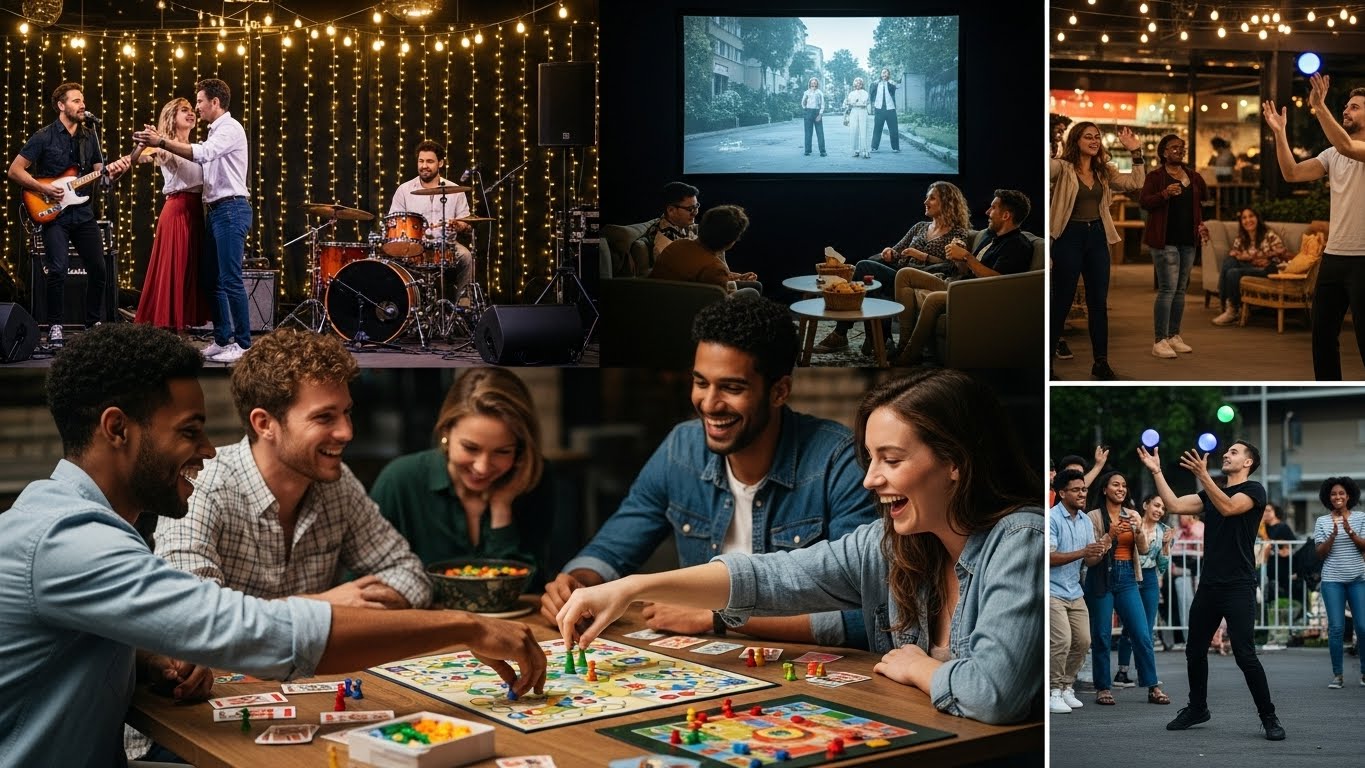
Introduction: Entertainment as a Cornerstone of Life
Entertainment has been a fundamental part of human culture for centuries. From oral storytelling around fires in ancient times to today’s streaming platforms and virtual reality experiences, the way we seek amusement and diversion has constantly evolved. In the modern era, entertainment is no longer a simple pastime; it has become a complex ecosystem that shapes culture, society, and individual identity. It not only provides joy but also fosters connection, encourages creativity, and even contributes to mental well-being.
This blog explores the changing landscape of entertainment, examining its various forms, its cultural impact, and the psychological reasons we turn to it in our everyday lives.
The Evolution of Entertainment: From Storytelling to Interactive Worlds
Entertainment began with the simplest forms of storytelling. Ancient civilizations relied on myths, legends, and performances to educate, inspire, and unite communities. Theater, music, and dance allowed people to experience narratives collectively, creating shared cultural memories.
As technology advanced, entertainment moved into new domains. Printed literature expanded the imagination beyond oral traditions, cinema introduced visual storytelling on a large scale, and television brought stories into homes worldwide. Today, interactive media such as video games and virtual experiences offer unprecedented immersion, allowing people not only to witness stories but to live them. The evolution of entertainment highlights humanity’s enduring desire to explore new ways of experiencing creativity and emotion.
Streaming Platforms: Personalized Stories at Your Fingertips
The rise of streaming platforms has revolutionized the way people consume content. Unlike traditional television, which operates on fixed schedules, streaming services allow viewers to watch shows and movies anytime and anywhere. This convenience has created a culture of binge-watching and on-demand storytelling.
Streaming platforms also democratize content. Creators from diverse backgrounds can share their stories with global audiences, leading to a richer and more inclusive entertainment landscape. Genres that were once niche now enjoy mainstream success, and international shows find fans across continents. The ability to curate personal viewing experiences has transformed entertainment into an intimate, yet communal, activity.
Gaming: The Ultimate Immersive Experience
Gaming has emerged as one of the most influential forms of modern entertainment. Video games have evolved far beyond simple challenges; they now offer rich narratives, strategic problem-solving, and social interaction. Players are no longer mere observers—they inhabit characters, make meaningful decisions, and shape virtual worlds.
Multiplayer online games create communities where players connect across the globe. These digital interactions foster friendships, teamwork, and competition. Beyond social engagement, gaming stimulates cognitive abilities, creativity, and emotional resilience. Its immersive nature makes gaming not just entertainment but a form of interactive storytelling that rivals movies or literature in depth and complexity.
Music: The Universal Language of Emotion
Music remains one of the most timeless and powerful forms of entertainment. It transcends cultural boundaries, evokes emotions, and defines moments in our lives. In the digital age, music consumption has transformed with streaming platforms and social media. Listeners can access vast libraries, discover emerging artists, and create personalized playlists.
Music is more than sound; it is a form of emotional connection. People listen to music to celebrate, grieve, relax, or energize themselves. It accompanies daily routines, ceremonies, and social gatherings, making it an essential part of human experience. The accessibility of music today ensures that it continues to be a central pillar of modern entertainment.
Social Media and Micro-Entertainment
Social media has created a new form of micro-entertainment, where short-form videos, memes, and live streams dominate attention. Platforms allow creators to share content directly with audiences, often producing viral moments overnight. These bite-sized experiences are highly engaging, offering entertainment that is quick, relatable, and interactive.
Social media also fosters creativity and personal expression. Ordinary individuals can become influential creators, shaping trends and connecting with millions. While this form of entertainment is immediate and ephemeral, it plays a significant role in shaping culture and influencing how people perceive humor, fashion, and art.
Cinema and Television: The Art of Narrative Crafting
Despite the rise of digital platforms, cinema and television continue to hold a central place in entertainment. Movies provide grand, immersive experiences, blending storytelling with visual spectacle. Television has evolved into long-form storytelling, with series offering complex narratives that rival novels in depth and character development.
Modern audiences seek more than just passive entertainment; they desire content that challenges, inspires, and resonates. Stories now explore contemporary social issues, historical events, and imaginative worlds with authenticity. The enduring popularity of cinema and television reflects the human desire for shared experiences and compelling narratives.
Live Entertainment: The Thrill of Presence
Even in a digital world, live entertainment holds unmatched appeal. Concerts, theater performances, sports events, and comedy shows offer immediate connection between performers and audiences. The energy of live events creates unforgettable moments that cannot be replicated online.
In addition to excitement, live entertainment fosters community. Shared reactions, collective emotions, and physical presence contribute to a sense of belonging and shared culture. Live events remind us that human interaction remains a vital aspect of enjoyment, even in the age of virtual experiences.
The Psychology of Entertainment: Why We Seek Escapism
Entertainment serves an essential psychological function: it allows us to escape reality, process emotions, and recharge mentally. In stressful and fast-paced societies, immersive stories, music, and games provide relief and emotional balance.
Engaging with entertainment can boost creativity, reduce anxiety, and provide inspiration. It enables people to experience emotions safely, explore alternative perspectives, and imagine possibilities beyond their daily lives. Entertainment is not merely a pastime; it is a tool for personal growth, reflection, and emotional resilience.
Technology and the Future of Entertainment
The future of entertainment promises even more innovation. Virtual reality, augmented reality, and artificial intelligence are creating immersive experiences that blur the line between fiction and reality. Audiences will increasingly interact with narratives in real-time, shaping stories and environments with their choices.
Technology also allows for greater accessibility and personalization. Entertainment will become increasingly tailored to individual preferences, enabling people to explore stories and experiences in ways that feel deeply personal. Despite these advancements, the core goal remains the same: to inspire, connect, and provide joy.
Conclusion: Entertainment as a Reflection of Humanity
Modern entertainment is a mirror reflecting human creativity, emotion, and culture. It has evolved from oral traditions to interactive digital worlds, yet its purpose remains timeless: to bring joy, connection, and meaning into our lives. Whether through music, gaming, cinema, or social media, entertainment shapes how we experience the world and how we connect with each other.
As technology advances and storytelling continues to evolve, entertainment will remain a vital force, offering escape, inspiration, and a shared language of human experience. It is more than amusement; it is a fundamental part of what makes life rich, meaningful, and endlessly fascinating.