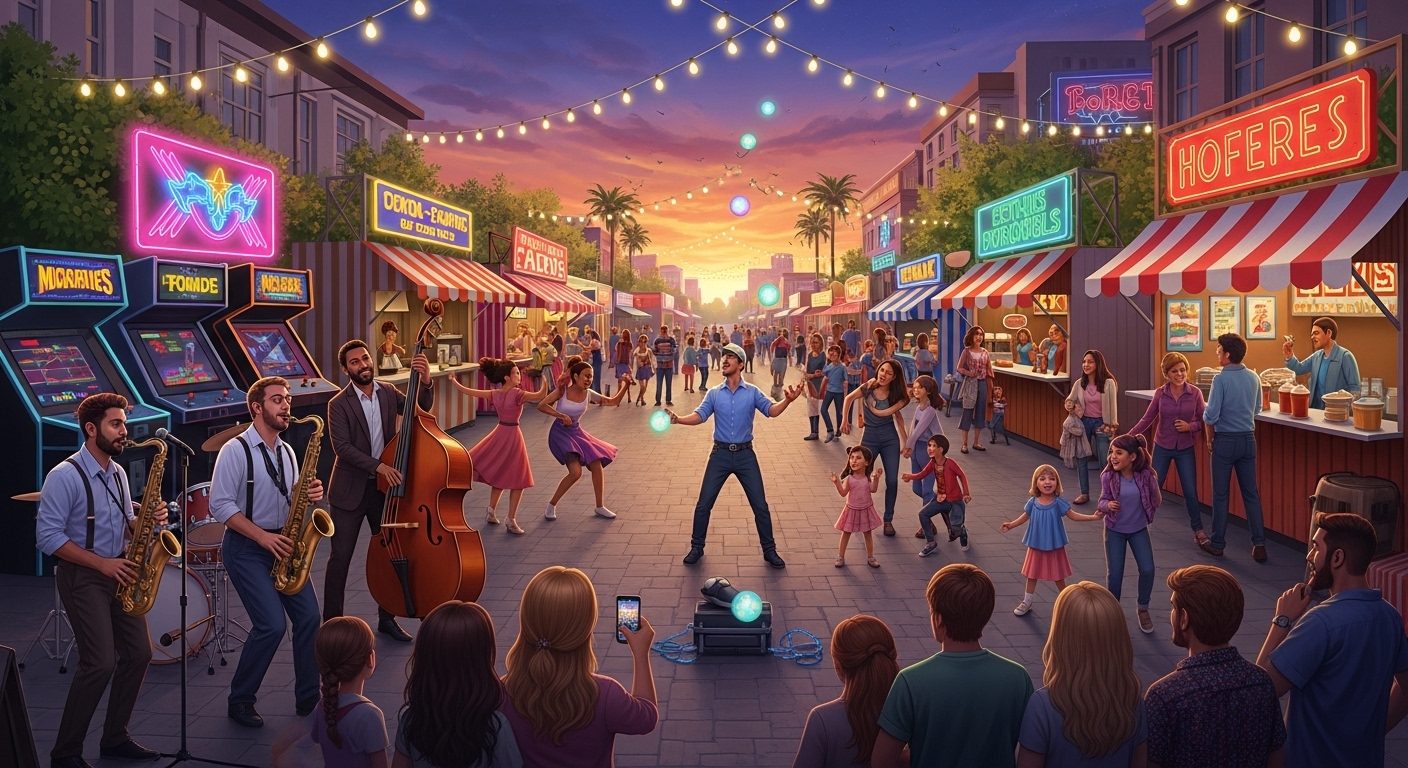
Entertainment is an essential part of human life, shaping culture, providing relaxation, and offering avenues for social connection. Over the years, entertainment has evolved dramatically, from traditional performances and print media to digital streaming, interactive experiences, and immersive technologies. In this blog, we will explore the history of entertainment, its various forms, the impact of technology, and the trends shaping its future.
The History of Entertainment
Entertainment has always played a pivotal role in human society. In ancient times, people engaged in storytelling, music, dance, and theater to communicate values, celebrate rituals, and bring communities together. Theaters in ancient Greece, amphitheaters in Rome, and traditional folk performances across the world illustrate the deep-rooted human desire for amusement and cultural expression.
During the Renaissance and subsequent eras, entertainment evolved to include operas, concerts, and literature. Print media allowed stories and ideas to reach wider audiences, while inventions such as the camera and phonograph introduced new ways to capture and enjoy performances. The 20th century marked a significant shift with the emergence of cinema, radio, and television, making entertainment more accessible and visually immersive than ever before.
The Role of Technology in Modern Entertainment
Technology has been a driving force behind the evolution of entertainment. It has not only enhanced accessibility but also transformed the way people experience content.
Streaming Services and On-Demand Media
The rise of streaming services has revolutionized the entertainment industry. Platforms that provide on-demand access to movies, TV shows, and music allow audiences to consume content at their convenience. This shift has reduced reliance on traditional broadcasting schedules and enabled personalized viewing experiences tailored to individual preferences.
Virtual Reality and Augmented Reality
Virtual reality (VR) and augmented reality (AR) have introduced immersive ways to experience entertainment. VR allows audiences to step into digital worlds, whether exploring fantastical landscapes, attending virtual concerts, or engaging in interactive storytelling. AR, on the other hand, overlays digital elements onto real-world environments, enhancing experiences in gaming, live events, and even educational entertainment.
Artificial Intelligence in Entertainment
Artificial intelligence has transformed content creation and distribution. AI algorithms recommend movies, music, and shows based on user preferences, enhancing engagement. Additionally, AI assists creators in generating content, from automated editing tools for videos to AI-composed music and scripts, streamlining production and allowing for innovative storytelling methods.
Mobile Entertainment
The proliferation of smartphones and tablets has made entertainment more portable and accessible. Mobile applications provide access to movies, games, music, live events, and interactive experiences, enabling users to enjoy entertainment anytime and anywhere. This portability has expanded the global audience and democratized access to cultural content.
Popular Forms of Entertainment
Entertainment is a diverse field, encompassing a wide range of activities and experiences. Each form appeals to different audiences and serves unique purposes.
Cinema and Television
Cinema and television remain cornerstones of entertainment. Movies offer storytelling that combines visuals, sound, and performance to create emotional and memorable experiences. Television provides serialized storytelling, reality shows, and live broadcasts, connecting audiences to cultural trends and current events. Both mediums continue to adapt to digital platforms, maintaining relevance in a streaming-dominated world.
Music and Performing Arts
Music has always been a universal form of entertainment, transcending language and cultural barriers. Live concerts, recorded albums, and online music platforms allow audiences to enjoy diverse genres from classical compositions to contemporary pop and electronic music. Performing arts, including theater, dance, and opera, offer live experiences that engage audiences on an emotional and sensory level, preserving cultural heritage while embracing modern innovation.
Gaming and Interactive Entertainment
Gaming has emerged as one of the fastest-growing sectors of entertainment. Video games provide interactive experiences that combine storytelling, strategy, and social interaction. From casual mobile games to competitive eSports and immersive virtual reality worlds, gaming has transformed entertainment into a participatory and community-driven activity.
Literature and Digital Media
Books, magazines, and digital media continue to play a significant role in entertainment. Literature offers intellectual stimulation, imagination, and cultural exploration, while digital content such as blogs, podcasts, and online videos provides real-time engagement with global audiences. The digital transition has expanded reach, enabling creators to connect with readers and viewers in innovative ways.
Live Events and Experiences
Live events such as concerts, theater performances, festivals, and sports events remain essential for social engagement. They provide a shared experience that cannot be replicated digitally, fostering community, cultural appreciation, and entertainment that is immersive and dynamic. Hybrid models combining live and digital experiences are now emerging, expanding accessibility while retaining the excitement of in-person events.
The Cultural Impact of Entertainment
Entertainment has a profound impact on culture, society, and individual well-being. It shapes social norms, influences behavior, and provides a reflection of collective values and aspirations.
Shaping Social Trends and Awareness
Entertainment often mirrors societal issues, encouraging awareness and dialogue. Films, television shows, and music explore themes such as identity, social justice, and environmental sustainability. By highlighting important topics in engaging formats, entertainment becomes a vehicle for cultural reflection and social change.
Fostering Connection and Community
Entertainment brings people together, fostering connection and shared experiences. Whether attending a live concert, participating in an online gaming community, or discussing a popular TV show, these experiences create social bonds and a sense of belonging. Shared entertainment experiences often serve as conversation starters and cultural touchpoints.
Emotional and Psychological Benefits
Entertainment provides emotional and psychological benefits, including stress relief, inspiration, and cognitive stimulation. Immersive storytelling and interactive experiences allow individuals to escape reality temporarily, process emotions, and explore new perspectives. Regular engagement with entertainment contributes to mental well-being and overall life satisfaction.
Emerging Trends in Entertainment
The entertainment industry is continuously evolving, driven by technological innovation, shifting audience preferences, and cultural trends.
Personalization and On-Demand Experiences
Personalized content is becoming a standard expectation among audiences. AI-driven recommendations, curated playlists, and customized viewing experiences ensure that individuals access content that resonates with their interests. On-demand platforms empower users to consume entertainment on their own terms, increasing engagement and satisfaction.
Integration of Gaming and Entertainment
The lines between traditional entertainment and gaming are increasingly blurred. Interactive storytelling, gamified experiences, and virtual concerts are examples of how gaming elements enhance engagement in entertainment. This integration creates dynamic, participatory experiences that captivate audiences in novel ways.
Immersive Technologies
The adoption of VR and AR continues to expand, offering immersive experiences across multiple entertainment sectors. Virtual concerts, interactive theater performances, and augmented museum exhibits demonstrate how technology transforms passive consumption into active participation, enriching the overall entertainment experience.
Social Media and Influencer-Driven Content
Social media platforms have become essential channels for entertainment, enabling creators to reach global audiences directly. Influencers, content creators, and streaming personalities produce diverse content that engages viewers, shapes trends, and drives cultural conversations. This trend highlights the democratization of entertainment creation and distribution.
Sustainability and Ethical Entertainment
There is a growing focus on sustainability and ethical practices in entertainment production. From eco-friendly film sets to socially responsible storytelling, creators are increasingly conscious of environmental impact and cultural sensitivity. Audiences are responding positively to content that aligns with ethical and sustainable values.
The Economic Impact of Entertainment
Entertainment is a major contributor to the global economy. Film studios, music labels, streaming platforms, gaming companies, and live event organizers generate billions in revenue annually. This industry also supports millions of jobs in production, marketing, technology, and management.
Revenue streams have diversified, including ticket sales, subscriptions, merchandise, sponsorships, and digital advertising. The growth of online and mobile platforms has expanded the audience base, increasing profitability while democratizing access to entertainment content worldwide.
The Future of Entertainment
The future of entertainment is poised for continued innovation and transformation. Emerging technologies, evolving audience expectations, and global connectivity will redefine how entertainment is created, distributed, and consumed.
Immersive technologies such as VR, AR, and AI will continue to shape interactive experiences, providing unprecedented levels of engagement. Hybrid entertainment models combining live and digital elements will expand accessibility while retaining the unique appeal of in-person experiences. Personalization, interactivity, and community-driven content will define the entertainment landscape, ensuring audiences remain at the center of innovation.
Furthermore, the entertainment industry will increasingly prioritize inclusivity, sustainability, and ethical storytelling, reflecting societal values and cultural awareness. As technology advances, the potential for creative expression, cultural impact, and economic growth within the entertainment sector will continue to expand.
Conclusion
Entertainment is a vital aspect of human life, evolving from traditional storytelling and performances to digital, immersive, and interactive experiences. It reflects culture, fosters social connection, and provides emotional, psychological, and cognitive benefits.
Technology has been a key driver in reshaping entertainment, from streaming platforms and mobile accessibility to virtual reality, AI, and interactive gaming. Popular forms of entertainment, including cinema, music, performing arts, gaming, literature, and live events, continue to adapt and thrive in a digital-first world.
As the industry evolves, personalization, immersive experiences, ethical production, and social engagement will shape the future of entertainment. This transformation ensures that entertainment remains a dynamic, inclusive, and integral part of human life, offering endless opportunities for creativity, innovation, and connection.
Entertainment is no longer just a pastime; it is a reflection of society, a medium for innovation, and a source of shared human experiences that will continue to captivate and inspire for generations to come.