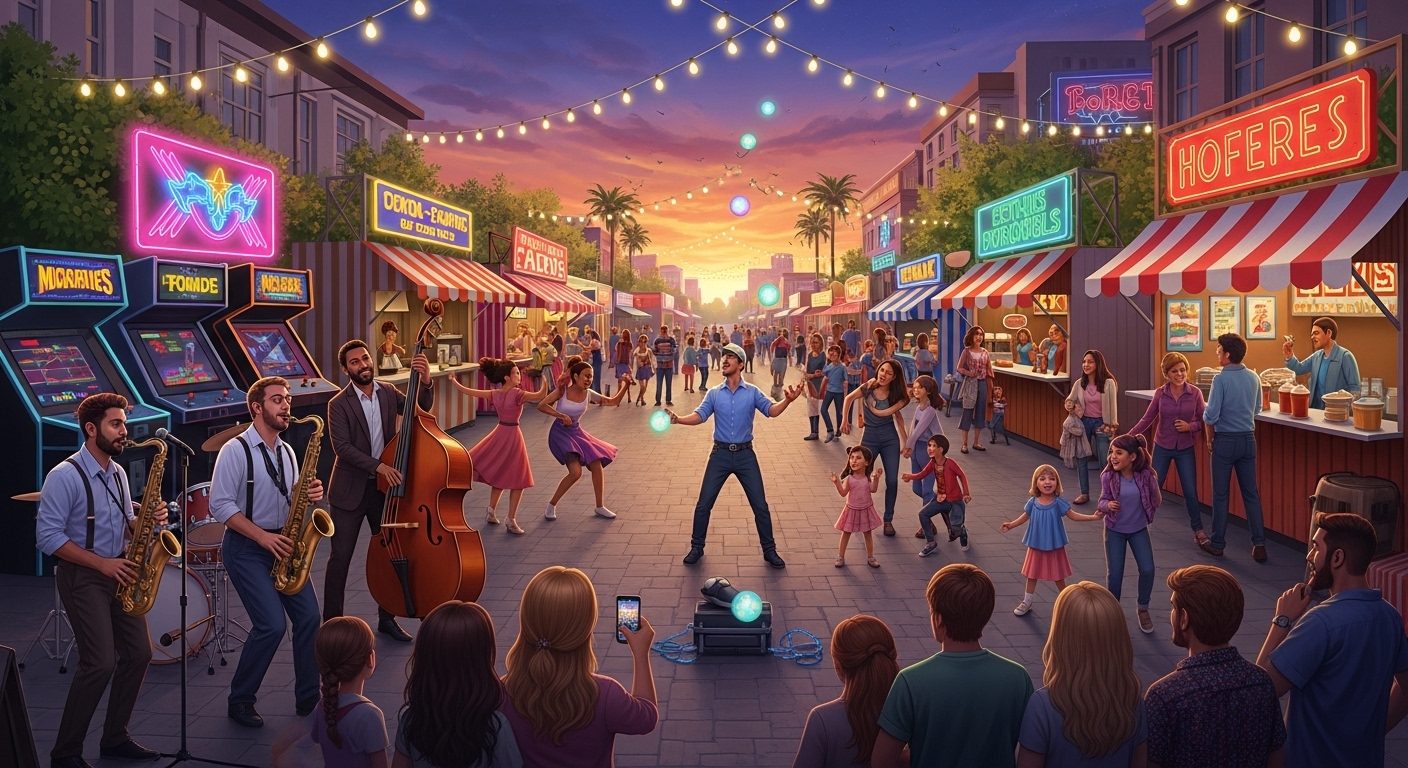
Entertainment is an integral part of human life. It provides a window into creativity, culture, and imagination, offering moments of joy, laughter, suspense, and reflection. From the earliest days of storytelling around a campfire to today’s global streaming platforms, entertainment has continuously evolved, reflecting societal changes while shaping them. In this article, we explore the various dimensions of entertainment, its history, its impact, and the trends defining its future.
The Origins of Entertainment
Human beings have always sought ways to amuse themselves. Long before the advent of cinema, television, or even printed books, people relied on oral storytelling, music, and dance to convey tales and share emotions. Ancient civilizations like the Egyptians, Greeks, and Romans pioneered organized forms of entertainment. The Greeks introduced theater as both a form of storytelling and communal reflection. Plays like those of Sophocles and Aristophanes explored themes of morality, tragedy, and satire, setting the stage for modern drama.
Similarly, music has been a cornerstone of entertainment for millennia. Instruments such as flutes, drums, and lyres were used not only for ceremonial purposes but also for leisure. Dance evolved alongside music, offering communities a shared outlet for expression. These ancient practices highlight how entertainment was deeply intertwined with culture and social life, serving purposes beyond mere amusement.
Cinema: The Magic of the Silver Screen
The birth of cinema in the late 19th century revolutionized entertainment. Early pioneers like the Lumière brothers introduced audiences to moving images, transforming storytelling into a visual spectacle. Silent films captivated audiences worldwide, with actors conveying emotion purely through expressions and gestures. The advent of sound in the 1920s with films like The Jazz Singer added a new dimension, making narratives more immersive.
Hollywood emerged as the epicenter of global cinema, producing iconic films and stars whose influence transcended borders. The studio system created a unique blend of art and commerce, giving rise to legendary actors, directors, and franchises. From Alfred Hitchcock’s suspenseful thrillers to Steven Spielberg’s adventure-packed tales, cinema became a mirror reflecting society’s dreams, fears, and aspirations.
Television: Bringing Entertainment Home
While cinema offered grand experiences on the big screen, television brought entertainment into living rooms. The post-war era saw a boom in TV ownership, changing the way people consumed content. Shows like I Love Lucy and The Twilight Zone became household names, combining humor, suspense, and social commentary. Television provided a more intimate form of entertainment, allowing families to gather and experience stories together.
The rise of cable and satellite networks expanded choices, offering everything from news and sports to reality shows and serialized dramas. Television became a versatile platform capable of nurturing long-form storytelling, with series spanning multiple seasons and creating devoted fan bases. Today, the line between cinema and television has blurred, with streaming services producing high-quality shows rivaling blockbuster films.
Music: The Soundtrack of Life
Music is perhaps the most universal form of entertainment. It transcends language, geography, and culture, resonating with the deepest human emotions. From classical compositions by Mozart and Beethoven to modern pop icons like Beyoncé and Ed Sheeran, music evolves while maintaining its core purpose: to move and inspire.
Genres have multiplied over the decades, reflecting changing societal moods. Jazz, rock, hip-hop, electronic dance music, and country each tell unique stories and connect with audiences in different ways. Concerts and festivals further enhance the communal aspect of music, turning entertainment into shared experiences that create lasting memories.
Gaming: Interactive Entertainment in the Digital Age
Entertainment has also embraced interactivity. Video games have transformed from simple pixelated diversions to immersive worlds with rich narratives and complex mechanics. The evolution of gaming consoles and PC technology has allowed developers to craft experiences that rival films in storytelling and emotional depth.
Games like The Legend of Zelda, The Last of Us, and Red Dead Redemption demonstrate the medium’s potential for narrative sophistication. Multiplayer and online gaming foster social interaction, turning entertainment into a shared digital playground. Esports has emerged as a global phenomenon, attracting millions of viewers and professional players, blurring the lines between sports and gaming.
Literature and Storytelling: The Written Escape
Books and literature remain a timeless form of entertainment. Novels, short stories, and poetry transport readers to different worlds, eras, and perspectives. Literature engages the imagination, allowing readers to visualize characters, settings, and events in a deeply personal way.
Fantasy series like Harry Potter and The Lord of the Rings have created entire universes that fans explore beyond the pages, through movies, merchandise, and fan fiction. Meanwhile, contemporary literature often tackles real-world issues, blending entertainment with reflection. The power of storytelling lies in its ability to entertain, inform, and provoke thought simultaneously.
Theater and Live Performances: The Thrill of the Moment
Despite technological advancements, live performances continue to captivate audiences. Theater, concerts, and live shows offer experiences that cannot be replicated on screens. The energy of a live performance, the immediacy of audience reactions, and the human connection make these events uniquely thrilling.
Musicals, plays, and operas have persisted through centuries, evolving in style but retaining their essence. Broadway and West End remain benchmarks of theatrical excellence, showcasing performances that combine acting, music, dance, and elaborate stagecraft. Live entertainment continues to remind us of the power of presence and shared human experience.
The Influence of Technology on Entertainment
Technology has dramatically transformed how entertainment is created and consumed. High-definition visuals, virtual reality, and augmented reality have expanded the possibilities of storytelling, making experiences more immersive than ever. Streaming platforms allow instant access to vast libraries of movies, shows, and music, breaking down geographical barriers and democratizing entertainment.
Artificial intelligence is beginning to influence content creation, from composing music to generating scripts and visual art. Social media platforms have become arenas for entertainment in their own right, where creators engage directly with audiences, and viral content captures global attention within hours.
The Globalization of Entertainment
Entertainment is no longer confined to national borders. Films, music, and games circulate globally, creating shared cultural touchstones. K-pop, anime, Bollywood, and international cinema have found audiences worldwide, illustrating the universality of entertainment.
Cultural exchange through entertainment fosters understanding and appreciation of diverse perspectives. It also influences local trends, creating hybrid forms of content that blend traditions and modernity. Global connectivity ensures that entertainment is a continuous dialogue, reflecting both local identity and global influence.
The Psychological Impact of Entertainment
Beyond amusement, entertainment plays a vital role in mental and emotional well-being. Comedy reduces stress, music evokes emotions, and immersive narratives provide a temporary escape from reality. Entertainment can inspire, educate, and even challenge societal norms, making it a powerful tool for personal growth and reflection.
Research has shown that engaging with creative content can enhance cognitive skills, improve mood, and foster empathy. Entertainment is more than a distraction; it is an essential component of human experience, shaping how we perceive ourselves and the world.
Trends Shaping the Future of Entertainment
The future of entertainment is poised for exciting developments. Interactive storytelling, virtual concerts, and AI-generated content are just the beginning. Personalized entertainment experiences, powered by data analytics, will cater to individual tastes like never before.
Sustainability is also becoming a consideration, with environmentally conscious productions and digital distribution reducing the ecological footprint. Moreover, the blending of entertainment with other industries, such as education, fitness, and wellness, suggests that the boundaries of entertainment will continue to expand.
Conclusion: Entertainment as a Reflection of Humanity
From ancient storytelling to modern digital marvels, entertainment reflects the creativity, values, and aspirations of society. It evolves with technology, cultural shifts, and human imagination, yet its core purpose remains constant: to inspire, amuse, and connect people.
Entertainment is more than passive consumption; it is a shared experience that enriches lives, shapes culture, and fosters community. As we look ahead, the possibilities for innovation are boundless, promising a future where entertainment continues to amaze, move, and unite us in ways we have yet to imagine.