Introduction: Entertainment as a Way of Life
Entertainment is no longer just a way to pass time after a long day. It has quietly transformed into a powerful force that shapes culture, emotions, opinions, and even daily routines. From the stories we binge-watch at night to the music that defines our moods, entertainment has become deeply woven into modern life. It influences how we dress, how we speak, what we value, and sometimes even how we see ourselves. In today’s fast-paced world, entertainment is not an escape from reality but often a mirror of it.
The Evolution of Entertainment in the Modern Era
Entertainment has traveled a long journey from folk tales told around fires to digital experiences delivered instantly across the globe. Earlier generations relied on live performances, radio shows, and cinema halls. Today, content reaches us through multiple screens, often personalized to individual preferences. This evolution has not only increased access but has also changed expectations. Audiences now want immersive experiences, relatable characters, and stories that feel authentic. The shift from passive consumption to active engagement marks a defining moment in entertainment history.
Storytelling at the Heart of Entertainment
At its core, entertainment is about storytelling. Stories have always helped humans understand the world, pass down values, and connect with one another. Modern entertainment continues this tradition, but with greater depth and diversity. Films, series, podcasts, and even video games now explore complex themes like identity, mental health, morality, and social justice. These narratives do more than entertain; they spark conversations and challenge perspectives. A well-told story can stay with a person long after the screen goes dark.
The Power of Visual Media
Visual entertainment, especially films and television, has become one of the most influential art forms of the modern age. Powerful visuals combined with compelling narratives can evoke strong emotional responses. A single scene can inspire joy, nostalgia, or empathy. Advances in technology have allowed creators to bring imagination to life in ways once thought impossible. However, the true magic lies not in special effects, but in how visuals support emotion and meaning. Audiences remember characters and moments that feel real, not just spectacular.
Music as Emotional Entertainment
Music holds a unique place in the entertainment world because it connects directly to emotions. A song can instantly transport someone to a memory, a place, or a feeling. Different genres serve different emotional needs, whether it is calm, motivation, heartbreak, or celebration. Music also plays a major role in cultural identity and self-expression. In a world full of noise, music offers comfort, energy, and sometimes healing. It proves that entertainment does not always need words or visuals to make a deep impact.
Digital Platforms and Changing Consumption Habits
The rise of digital platforms has completely reshaped how entertainment is consumed. People no longer wait for scheduled programs or physical releases. Content is available on demand, allowing audiences to choose what they want, when they want. This shift has empowered viewers but also created challenges, such as shorter attention spans and content overload. Despite this, digital platforms have opened doors for independent creators, diverse voices, and niche stories that might never have found space in traditional media.
Entertainment and Social Connection
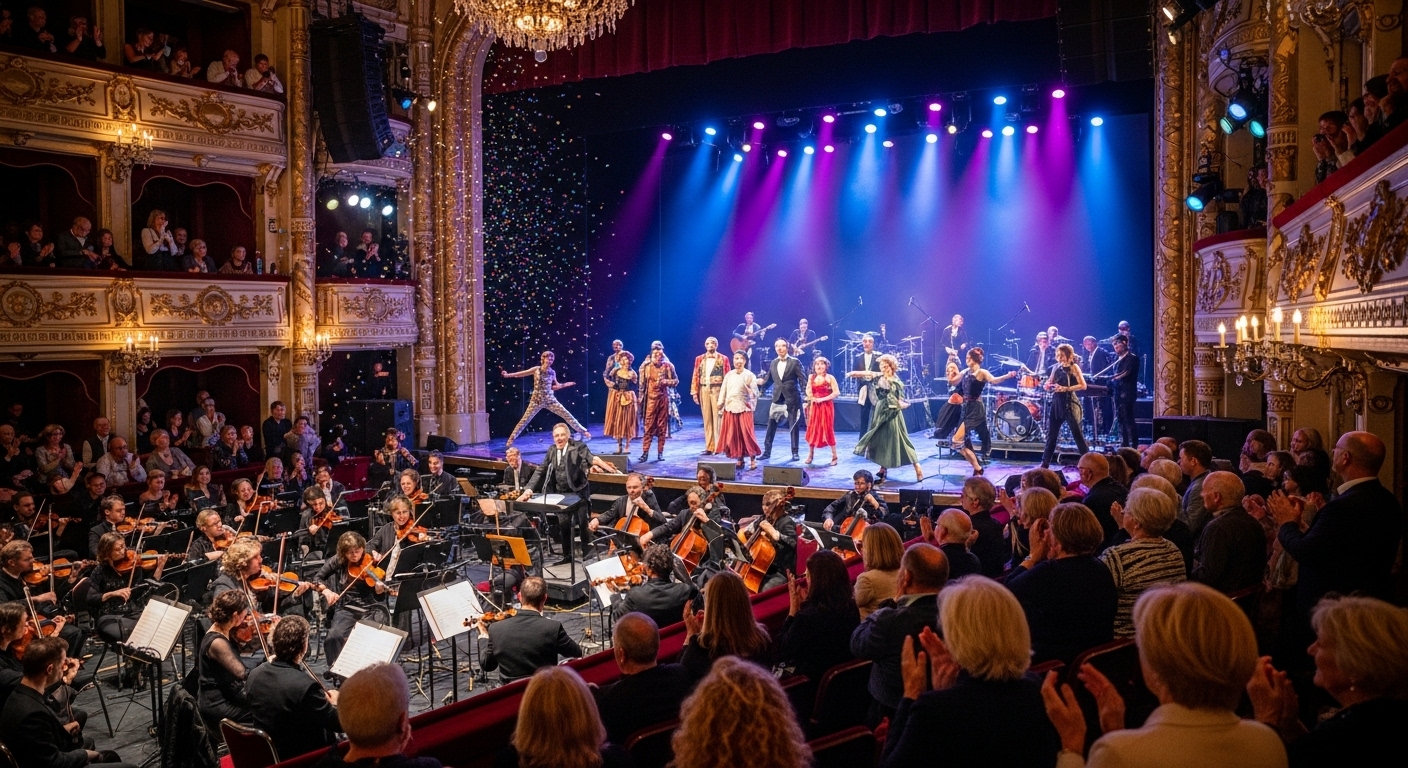
Entertainment has become a shared language that connects people across borders. Popular shows, songs, and cultural moments create common ground for conversations. Fans form communities around their favorite content, sharing theories, emotions, and creativity. These connections help people feel less alone, especially in times of isolation. Entertainment events, whether virtual or live, often bring people together and remind them of shared human experiences.
The Role of Entertainment in Mental Well-Being
Entertainment plays an important role in mental and emotional health. Lighthearted content offers relief from stress, while meaningful stories can provide comfort during difficult times. Many people turn to entertainment as a coping mechanism, finding solace in familiar shows or uplifting music. At the same time, responsible entertainment can raise awareness about mental health issues and encourage empathy. When used mindfully, entertainment can be both a source of joy and emotional support.
Celebrity Culture and Influence
Celebrities are a visible part of the entertainment world, often shaping trends and public conversations. Their influence extends beyond screens and stages into fashion, lifestyle, and social opinions. While celebrity culture can inspire and motivate, it also raises questions about comparison, privacy, and unrealistic standards. The modern audience is becoming more aware and critical, valuing authenticity over perfection. This shift is encouraging entertainers to be more open and human in their public presence.
The Business Side of Entertainment
Behind the glamour of entertainment lies a complex industry driven by creativity and commerce. Producers, writers, artists, and technicians work together to bring content to life. Financial success often determines which stories get told, but audience demand plays an equally important role. As consumers become more selective, quality and originality are gaining importance. The balance between artistic expression and commercial success remains one of the biggest challenges in the entertainment world.
Cultural Representation and Diversity
One of the most important developments in modern entertainment is the growing focus on representation and diversity. Audiences want to see stories that reflect real-world experiences and different cultures. Inclusive entertainment helps people feel seen and understood, while also educating others. When diverse voices are given space, storytelling becomes richer and more meaningful. This change is not just a trend but a necessary step toward more honest and impactful entertainment.
The Future of Entertainment
The future of entertainment promises even more innovation. Emerging technologies like virtual reality and interactive storytelling are changing how audiences experience content. Instead of just watching, people may soon step inside stories and influence outcomes. However, no matter how advanced technology becomes, the essence of entertainment will remain the same. People will always seek stories that move them, music that resonates with them, and experiences that make them feel connected.
Conclusion: Entertainment as a Reflection of Humanity
Entertainment is far more than a source of amusement. It reflects who we are, what we dream about, and what we fear. It captures moments in time and preserves emotions for future generations. As entertainment continues to evolve, its role in shaping culture and personal identity will only grow stronger. By choosing meaningful content and supporting creativity, audiences become active participants in the entertainment journey. In the end, entertainment is not just something we consume, it is something we live.