Introduction: The Universal Need for Entertainment
Entertainment has always been an essential part of human life. Whether it’s watching a play, listening to music, or playing a video game, entertainment serves as a source of relaxation, joy, and even education. As technology has advanced, so has the way we consume and experience entertainment. What began as simple live performances has transformed into an industry that encompasses everything from digital streaming to virtual reality experiences. The evolution of entertainment is a testament to human creativity, technological innovation, and the endless pursuit of captivating experiences.
In this blog, we’ll explore the journey of entertainment, examine the significant shifts that have taken place, and look ahead to the future of this dynamic industry.
The Origins of Entertainment: Live Performances and the Birth of Cinema
Historically, entertainment started as live performances. The ancient Greeks and Romans pioneered forms of theater and music that were enjoyed by thousands. In ancient civilizations, storytelling was also an essential form of entertainment. People gathered around campfires or in town squares to hear tales of gods, heroes, and everyday life, passed down through oral traditions.
The world’s first recorded theater performances occurred in ancient Greece. The concept of drama—comprising tragedy, comedy, and later, musical theater—became deeply embedded in society. The Roman Empire also embraced entertainment, creating monumental amphitheaters for gladiatorial games and other public spectacles. The lasting impact of these early forms of entertainment still influences modern theatrical performances today.
The invention of cinema in the late 19th century marked a major turning point in the world of entertainment. The Lumière brothers in France are often credited with the first motion picture camera. Early cinema was simple, silent, and black-and-white, but it immediately captivated audiences. The magic of watching moving images on a screen transformed the way people interacted with entertainment, ushering in a golden age of Hollywood and eventually leading to the rise of television and global cinema.
The Golden Age of Television: The Birth of Pop Culture Icons
The mid-20th century saw the birth of television, which brought entertainment directly into people’s homes. TV shows, movies, and later cable networks became the primary sources of entertainment for millions. This era also marked the beginning of pop culture icons—celebrities whose fame and influence stretched across not only the entertainment industry but also society at large.
Television allowed families to gather in front of a screen for an evening of entertainment, creating shared experiences. Shows like I Love Lucy, The Twilight Zone, and MASH* were household names that shaped the culture of the time. As the decades passed, TV evolved with cable networks like HBO, ESPN, and MTV offering specialized content for various interests. In the 1980s and 1990s, the emergence of sitcoms, drama series, and reality TV expanded the spectrum of content available, making entertainment more diversified.
The Digital Revolution: Streaming, Social Media, and Global Connectivity
The internet revolutionized the entertainment industry in the late 1990s and early 2000s. With the advent of broadband internet, people could access movies, music, and TV shows from the comfort of their homes. The streaming boom began with platforms like YouTube, which allowed content creators to upload videos for anyone to watch. By offering free access to videos and eventually monetizing through ads, YouTube paved the way for a new era in entertainment, where anyone with a camera and an internet connection could become a content creator.
In the 2010s, streaming services like Netflix, Hulu, and Amazon Prime Video became household names. These platforms allowed viewers to watch content on-demand, giving them unprecedented freedom to choose what to watch and when to watch it. Traditional television, with its rigid schedules and commercial interruptions, began to lose its grip as streaming grew in popularity.
Not only did streaming change how we watched TV shows and movies, but it also democratized content creation. Netflix’s investment in original content, such as Stranger Things and The Crown, gave rise to high-quality programming that rivaled big-budget Hollywood productions. Furthermore, social media platforms such as Instagram, Facebook, TikTok, and Twitter became major sources of entertainment, where people could interact with celebrities, creators, and other fans.
The rise of YouTube stars and influencers marked another shift in the entertainment landscape. These influencers became celebrities in their own right, amassing millions of followers through content that ranged from vlogs to comedy skits, product reviews, and lifestyle content. The accessibility of these platforms made it easier for individuals to carve out their own niche in the entertainment industry, allowing for more diverse voices to be heard.
Gaming: The New Frontier of Entertainment
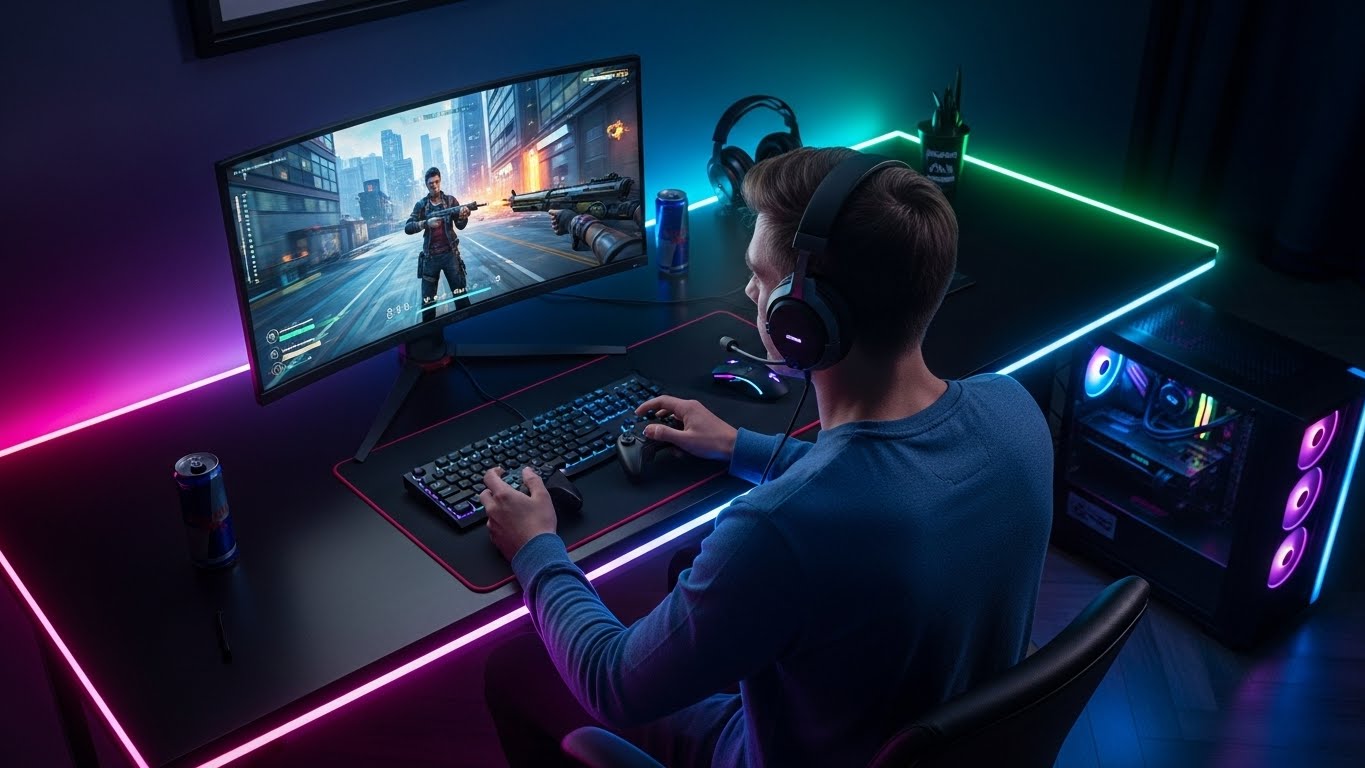
In the last few decades, video gaming has become one of the most significant and fastest-growing forms of entertainment. Gaming is no longer just a pastime for children; it has become a global industry with millions of players worldwide. With the advent of consoles like PlayStation, Xbox, and the proliferation of mobile gaming, video games have evolved into highly immersive, interactive experiences.
The rise of esports has taken gaming to new heights. Esports, competitive gaming at a professional level, has seen an explosion in popularity, with massive tournaments and championships drawing crowds similar to those at traditional sporting events. Games like League of Legends, Dota 2, and Fortnite have built large communities, and professional gamers can now earn millions through sponsorships, prizes, and streaming.
Moreover, virtual reality (VR) and augmented reality (AR) are making gaming even more interactive and immersive. With VR, players can step into entirely new worlds, engaging with their surroundings in ways that were once thought impossible. Games like Beat Saber and Half-Life: Alyx are pushing the boundaries of what VR can offer, promising an exciting future for gaming as entertainment.
The Role of Music in Modern Entertainment
Music has always been a major part of entertainment, from the early days of folk songs and opera to contemporary pop, rock, and hip-hop. Today, music is more accessible than ever before thanks to streaming services like Spotify, Apple Music, and Tidal, which offer millions of tracks at the touch of a button. Artists can now release music directly to their audiences without the need for traditional record labels, allowing for more creative freedom and diverse voices in the music industry.
Live performances have also evolved with the rise of digital platforms. Artists can now livestream concerts, interact with fans through social media, and share behind-the-scenes content. This level of accessibility has brought fans closer to their favorite artists and transformed the live music experience.
Additionally, music has become an integral part of many other forms of entertainment, from video games to films and TV shows. The use of soundtracks and scoring in movies and video games creates emotional connections with the audience, enhancing the impact of the narrative.
The Future of Entertainment: Trends and Innovations
As technology continues to evolve, so too will the entertainment industry. Several key trends and innovations are likely to shape the future of entertainment:
- Immersive Experiences with VR and AR
Virtual reality (VR) and augmented reality (AR) are expected to play an increasingly important role in entertainment. VR headsets are already being used in gaming and simulations, but they could soon become mainstream for watching movies, live performances, and sports events. AR, which overlays digital content onto the physical world, could revolutionize how we interact with media, creating more engaging and personalized experiences. - AI and Content Personalization
Artificial intelligence (AI) is already being used to recommend movies, music, and TV shows based on our preferences. In the future, AI could become more sophisticated, creating entirely personalized entertainment experiences. For example, movies or TV shows could be customized to suit an individual’s preferences, with the plot changing dynamically based on choices made by the viewer. - Interactive Storytelling
Interactive storytelling is gaining momentum, with platforms like Netflix experimenting with shows that allow viewers to choose the direction of the narrative, such as Bandersnatch from Black Mirror. This type of storytelling could lead to more immersive and participatory forms of entertainment in the future. - Globalization and Cultural Exchange
As streaming services and social media continue to connect the world, entertainment is becoming increasingly global. Shows, movies, and music that were once confined to certain regions are now accessible to a global audience, leading to a blending of cultures and styles. This trend will continue, with more diverse content reaching wider audiences and fostering cultural exchange.
Conclusion: Entertainment for the Next Generation
The entertainment industry has come a long way from its humble beginnings as live performances and silent films. Today, it encompasses a vast array of mediums—from streaming services and video games to music and virtual reality. Each new advancement in technology opens up new possibilities for how we experience entertainment, making it more immersive, personalized, and accessible than ever before.
As we look to the future, it’s clear that entertainment will continue to evolve, driven by innovation, creativity, and the ever-changing tastes of audiences. The next generation of entertainment promises to be even more engaging, interactive, and diverse, offering a world of possibilities for creators and consumers alike. Whether you’re binge-watching your favorite show, playing the latest video game, or immersing yourself in a virtual reality experience, entertainment will always remain a key part of what makes life enjoyable and fulfilling.