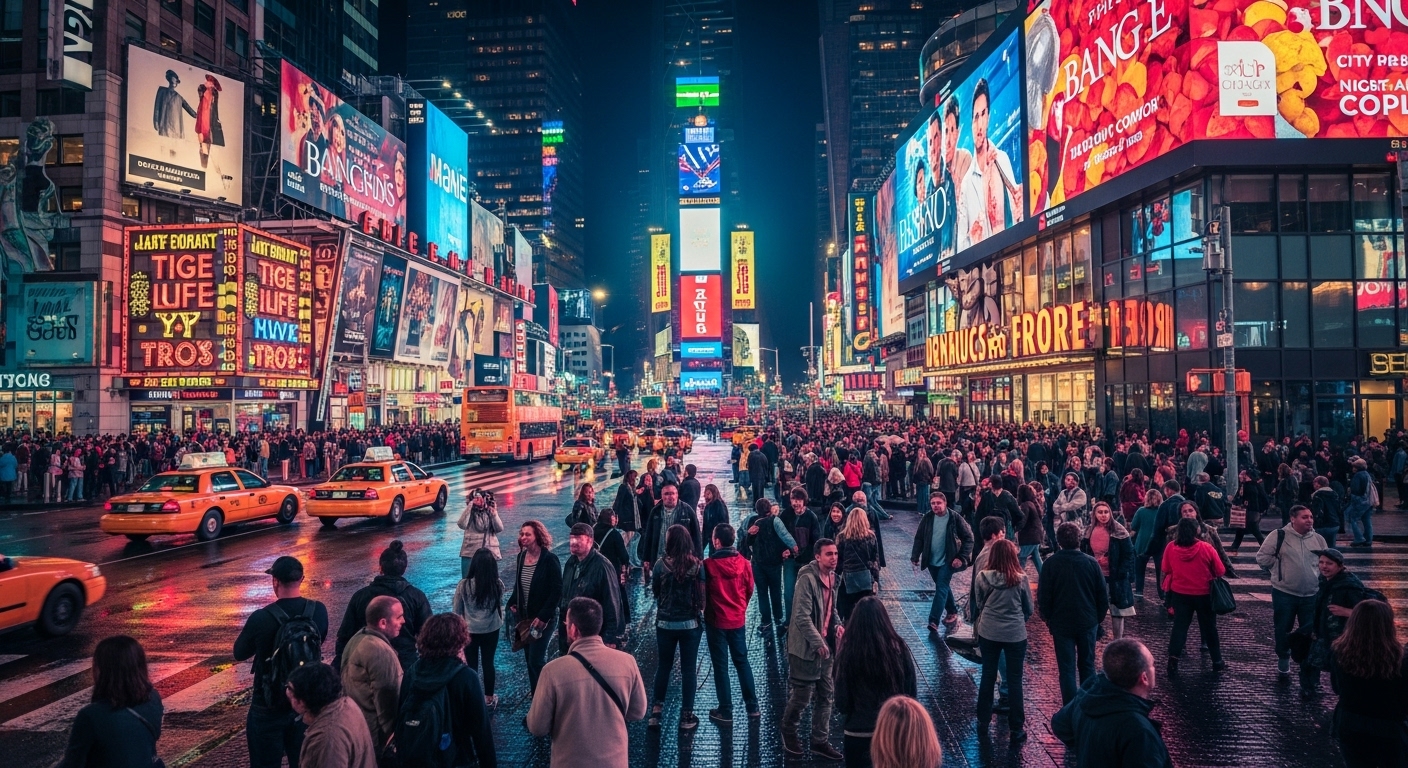
Entertainment is an essential part of our daily lives, acting as a means of relaxation, inspiration, and even education. It evolves constantly, influenced by technological advancements, cultural shifts, and changing consumer demands. Today, entertainment is more immersive, interactive, and diverse than ever before. What was once a passive activity is now an engaging experience, bridging the gap between creativity and consumer participation. In this blog post, we’ll explore how entertainment has transformed in the modern world and why it’s more than just a way to kill time.
The Digital Revolution: Entertainment at Your Fingertips
Gone are the days when entertainment was limited to watching television at specific times or going out to the movies. With the rise of streaming platforms, on-demand services have reshaped the entertainment landscape. The digital revolution has made it possible to enjoy movies, TV shows, music, and even live performances whenever we want and wherever we are. Platforms like Netflix, YouTube, and Spotify provide a world of content at the push of a button, giving us the freedom to curate our own entertainment schedules.
Moreover, the transition from physical media to digital platforms has made entertainment more accessible than ever. No longer bound by geography or expensive cable subscriptions, people from all walks of life can access a vast range of content—from Hollywood blockbusters to indie films, or from top-charting music to lesser-known podcasts. Entertainment is no longer confined to traditional formats; it’s transformed into a customizable experience.
Social Media: Entertainment Meets Interaction
Social media has become a central hub for entertainment, but not in the way one might expect. Platforms like Instagram, TikTok, and Twitter aren’t just for keeping up with friends—they’ve evolved into entertainment powerhouses. Influencers, creators, and artists have turned social media into an interactive space where entertainment isn’t just consumed; it’s created, shared, and experienced collectively.
TikTok, for example, has created an entirely new format for entertainment: short, creative videos that anyone can make, share, and enjoy. This democratization of entertainment means that anyone with a phone and a little creativity can join in the fun. Social media has also given rise to “viral moments,” where a single post, meme, or video can sweep the internet, creating a shared experience for millions of people around the world.
Social media isn’t just a platform for entertainment—it’s also a place for interaction. Fans engage directly with their favorite creators, ask questions, and even influence the content being produced. This level of participation makes entertainment feel more personal and connected, turning passive viewers into active participants.
The Immersive Experience: Entertainment Beyond Watching
In recent years, entertainment has gone beyond passive consumption. The rise of virtual reality (VR) and augmented reality (AR) is bringing immersive experiences to the forefront, allowing users to step into entirely new worlds. VR games like Beat Saber or Half-Life: Alyx let players experience entertainment from within the environment, creating a deeper sense of engagement than traditional video games or movies.
Similarly, AR technologies, used in mobile apps like Pokemon Go, have blurred the lines between the physical and digital worlds. Players are no longer confined to a screen; they can interact with virtual elements that exist within their own environment, making the experience feel more real and tangible. This shift towards immersive entertainment is likely just the beginning of a trend that will see more ways of interacting with content.
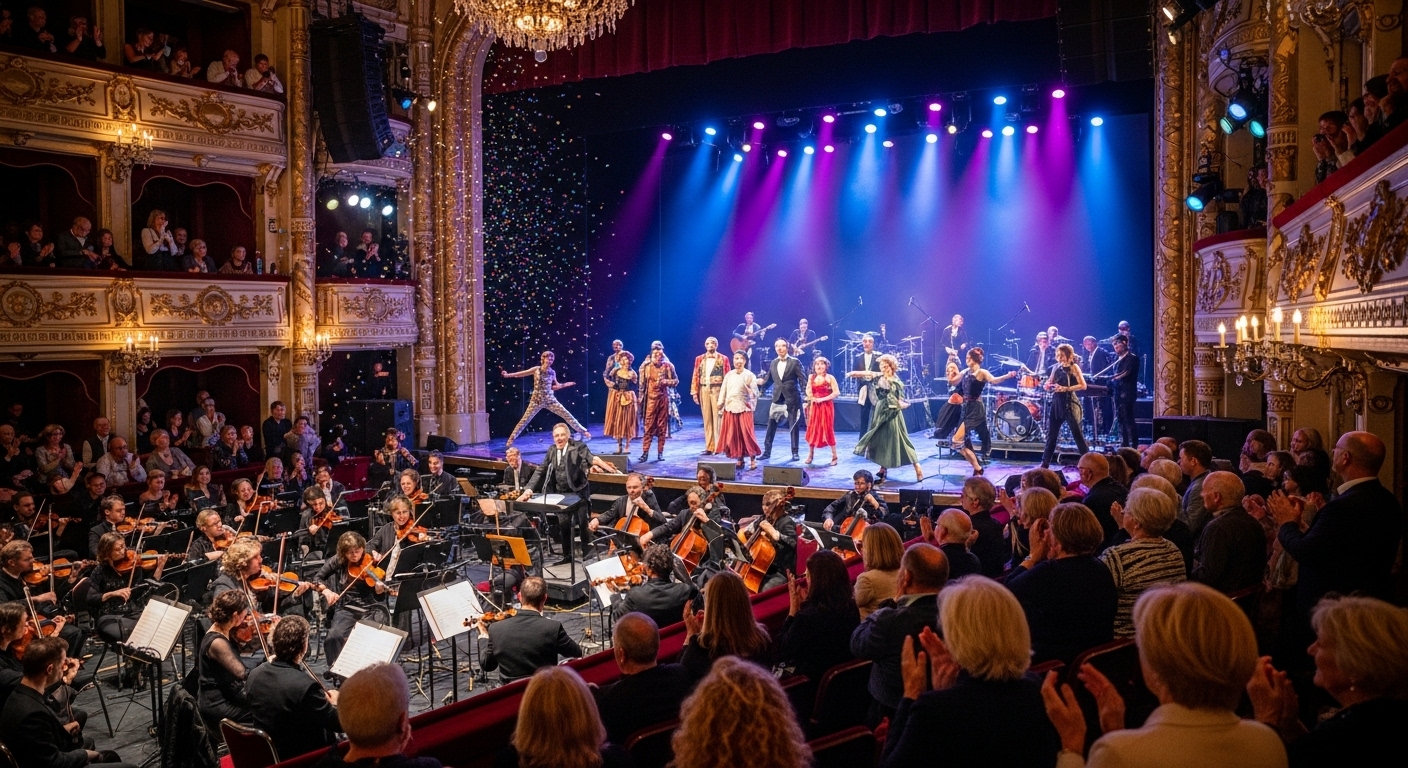
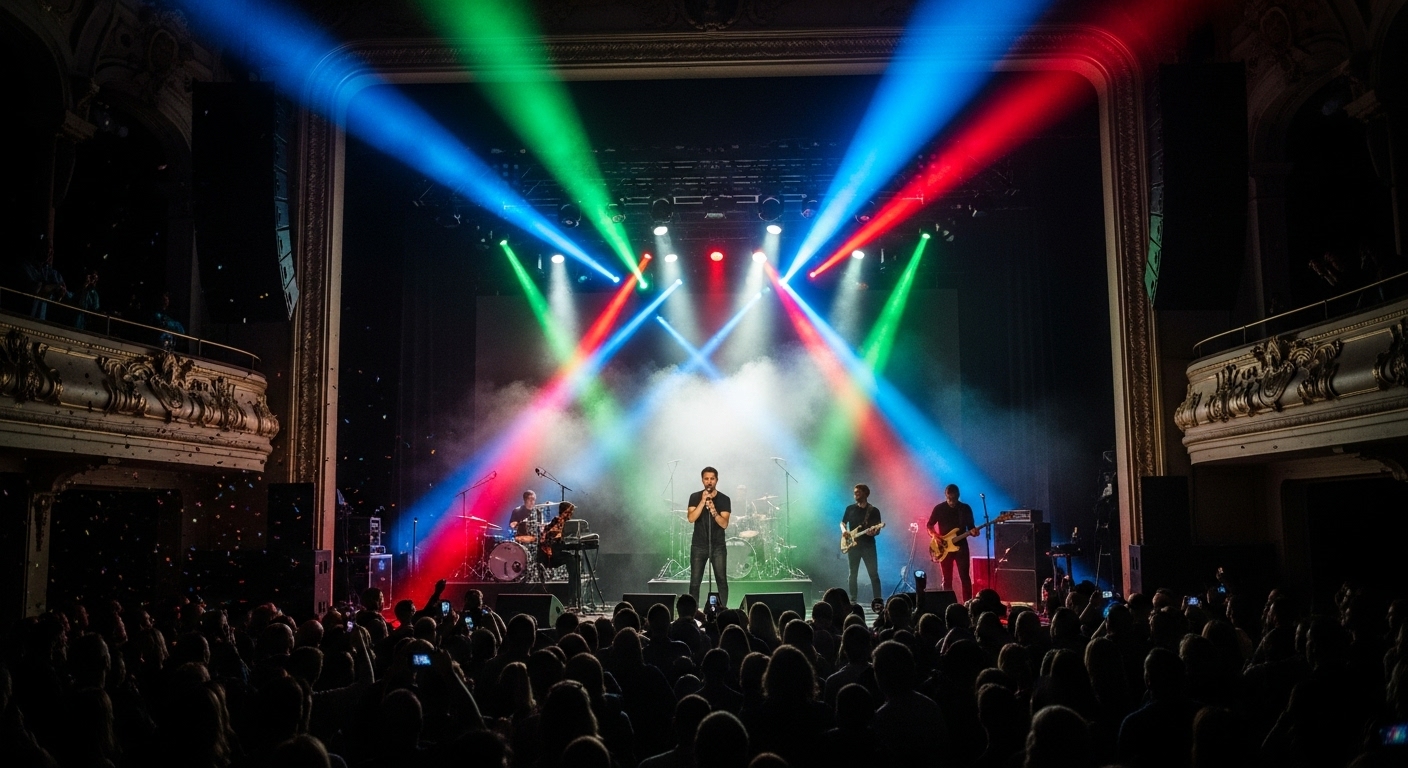
Moreover, immersive live events, like theater performances, concerts, or interactive installations, have added another dimension to entertainment. These experiences engage all the senses, enveloping the audience in ways that traditional media cannot. Theatrical productions, for example, now often incorporate technology, allowing the audience to become part of the story, actively shaping the performance.
The Blurring of Boundaries: Gaming and Entertainment Converge
One of the most exciting developments in entertainment has been the intersection of gaming and traditional media. Video games are no longer just about play—they are sophisticated narratives that combine visuals, music, storytelling, and interactivity. Games like The Witcher 3, Last of Us, and Red Dead Redemption 2 offer deep, cinematic storytelling that rivals the best films and TV shows.
This convergence has created a new type of entertainment, where gamers are not just participants—they are audience members as well. In fact, platforms like Twitch and YouTube have made gaming a spectator sport, allowing millions of people to watch others play, engage with them, and enjoy gaming as a form of live entertainment. Esports tournaments have grown into global phenomena, with professional gamers becoming celebrities in their own right.
As the line between gaming and other forms of entertainment continues to blur, we may see more crossovers in the future—films and TV shows based on video games, or games that evolve into interactive TV series. This melding of mediums allows for more creative freedom and offers audiences fresh ways to experience storytelling.
The Social Impact of Entertainment: Reflection and Representation
Entertainment is not just a means of escapism; it also serves as a mirror to society. The media we consume often reflects the values, challenges, and concerns of the time. Over the years, entertainment has played a significant role in shaping and influencing public opinion, making it a powerful tool for social change.
Today, representation matters more than ever. Audiences are demanding content that reflects the diversity of the world in which we live. From films to TV shows to video games, entertainment is increasingly inclusive, showcasing characters and stories from a variety of cultural, racial, gender, and socioeconomic backgrounds. This shift is empowering marginalized voices and allowing for a broader range of experiences to be shared and celebrated.
Moreover, entertainment has the ability to tackle important societal issues, from climate change to mental health, in ways that resonate deeply with audiences. Shows like 13 Reasons Why have sparked conversations about mental health, while films like Parasite have tackled class inequality. In this way, entertainment isn’t just about providing an escape—it’s about initiating dialogue and driving change.
The Future of Entertainment: What’s Next?
As technology continues to advance, the future of entertainment looks incredibly exciting. We are already seeing the rise of AI-driven content creation, where algorithms analyze data to produce personalized movies or songs based on a viewer’s tastes. AI may also play a key role in creating dynamic, evolving narratives in films, games, and even music, allowing the content to change based on user interaction or preferences.
Further advancements in VR and AR could take entertainment to new heights, offering fully immersive experiences that blend the digital and physical worlds. Imagine a movie where you’re not just watching the action unfold—you’re inside it, making choices that influence the outcome. The possibilities are endless, and as technology continues to evolve, entertainment will undoubtedly become even more interactive, personalized, and immersive.
Conclusion: Entertainment as a Global Connector
Entertainment, at its core, has always been about bringing people together, offering a momentary escape, and providing a means of expression. Today, it does all this and more. With the evolution of digital platforms, social media, immersive technologies, and gaming, entertainment has become more interactive, inclusive, and accessible than ever before.
As we look to the future, the boundaries of what constitutes entertainment will continue to expand, offering exciting new ways to engage with content. Whether you’re watching a film, playing a game, attending a live event, or interacting with a social media influencer, entertainment is no longer a passive experience—it’s a dynamic, ever-changing part of our lives that connects us to each other and to the world around us.