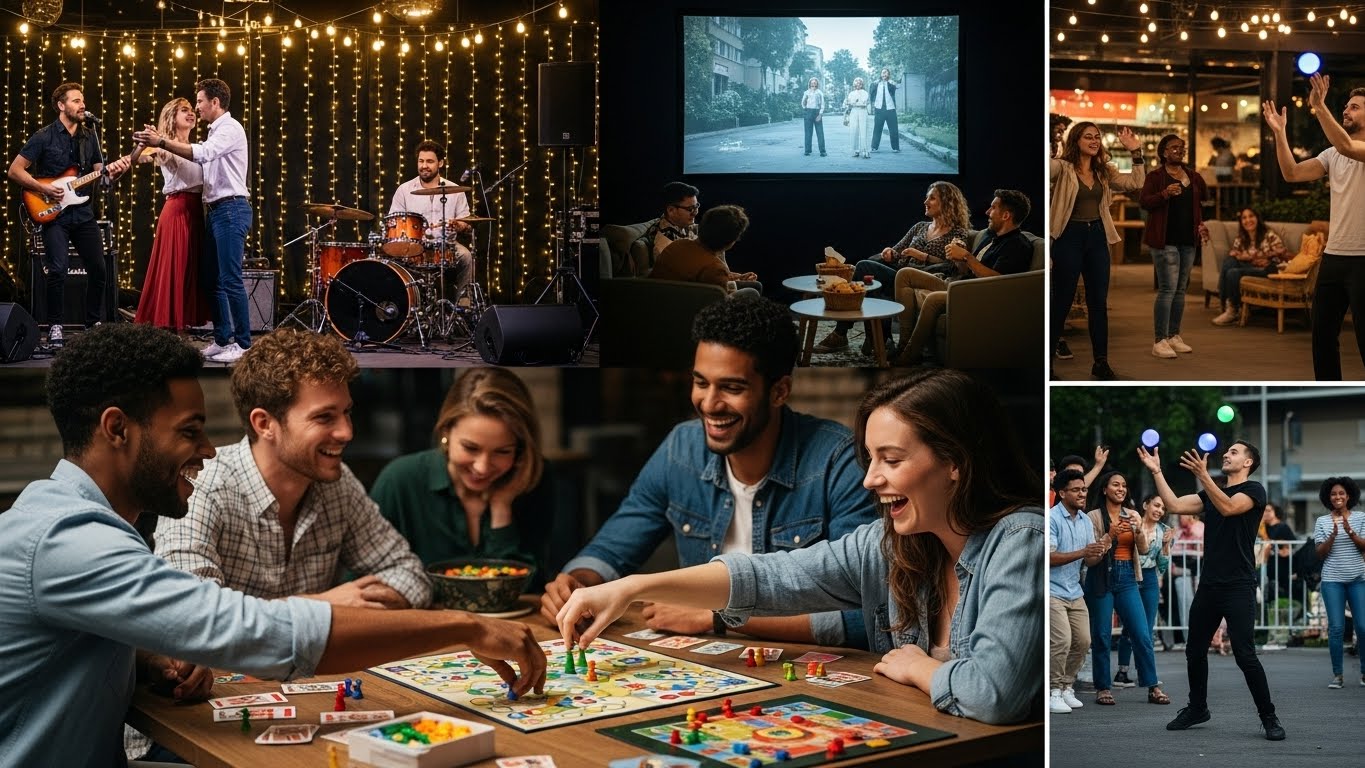
Introduction: The Universal Language of Entertainment
Entertainment is a cornerstone of human culture, transcending borders, generations, and languages. It provides joy, fosters imagination, and creates a shared sense of experience. From the earliest cave paintings and oral storytelling to the immersive worlds of today’s digital age, entertainment has always reflected who we are and what we value.
In modern society, entertainment is no longer limited to passive observation. It is interactive, personalized, and often deeply immersive. People do not simply watch—they participate, share, and co-create. Whether through streaming platforms, video games, live events, or music, entertainment shapes our daily lives and influences the way we connect with others.
This blog explores the evolution of entertainment, its various forms, and the profound role it plays in modern life.
The Evolution of Entertainment: From Tradition to Innovation
The concept of entertainment has evolved alongside human society. In ancient times, storytelling, theater, and music were used to educate, celebrate, and unite communities. Oral traditions and performance arts allowed people to convey values, history, and emotions long before written language became widespread.
As civilizations advanced, entertainment expanded into literature, theater, and eventually film and television. These mediums offered new ways to capture imagination and emotion, reaching broader audiences. The rise of the internet and digital technology has now revolutionized entertainment, turning passive viewers into active participants. Today, virtual reality, video games, and online communities have redefined what it means to experience a story.
Streaming Platforms: Entertainment on Demand
One of the most transformative developments in modern entertainment is the rise of streaming platforms. Unlike traditional television or cinema, streaming services allow audiences to watch content whenever they choose. This flexibility has changed viewing habits, fostering the culture of binge-watching and on-demand consumption.
Streaming platforms also enable greater diversity in content. Creators from different backgrounds can reach global audiences without traditional gatekeepers. International shows, independent films, and niche genres are now accessible to millions, creating a richer and more inclusive entertainment landscape. Audiences can curate their experiences, choosing content that resonates with their preferences, moods, and schedules.
Gaming: Interactive Storytelling and Social Connection
Gaming has emerged as one of the most influential forms of entertainment today. Once considered a niche hobby, video games are now a mainstream cultural force. Modern games offer immersive experiences, allowing players to inhabit characters, shape narratives, and explore vast virtual worlds.
Video games are more than entertainment—they are social platforms. Multiplayer games create communities where players collaborate, compete, and forge friendships across the globe. Beyond social engagement, gaming promotes cognitive skills, creativity, and strategic thinking. The interactive nature of games makes them unique, offering experiences that movies, books, or music alone cannot provide.
Music: The Timeless Source of Emotion
Music has always been a fundamental form of entertainment, and it continues to evolve in the digital age. Streaming services and social media allow artists to reach global audiences directly, while listeners can discover new genres and create personalized playlists.
Music is more than background sound; it is a vehicle for emotion, memory, and identity. People listen to music to relax, celebrate, or process emotions. Concerts, live performances, and virtual music events add another layer, transforming songs into shared experiences. Music connects us on an emotional level, transcending language and culture, and remains one of the most enduring and universal forms of entertainment.
Social Media and Micro-Entertainment
Social media has transformed entertainment into a fast-paced, interactive phenomenon. Short-form videos, memes, and live streams allow creators to capture attention instantly. Platforms enable individuals to produce content, engage audiences, and participate in global trends without traditional production resources.
This form of entertainment thrives on relatability and authenticity. People enjoy seeing real-life moments, creative experiments, and spontaneous humor. Social media blurs the line between creator and audience, offering micro-entertainment that is quick, shareable, and often viral. It reflects modern society’s appetite for immediacy, novelty, and connection.
Cinema and Television: The Art of Storytelling
Despite the rise of digital platforms, cinema and television remain central to entertainment. Films provide grand, immersive experiences, blending storytelling with visual spectacle, while television offers long-form narratives with deep character development.
Modern audiences expect more than entertainment; they seek meaning, relevance, and emotional impact. Stories now explore contemporary social issues, historical events, and imaginative worlds with nuance and depth. Cinema and television continue to captivate because they combine artistry, narrative complexity, and shared cultural experience, creating a sense of collective engagement.
Live Entertainment: The Power of Presence
Even in a digital world, live entertainment holds unmatched appeal. Concerts, theater, sports events, and comedy shows offer the thrill of immediacy and shared experience. The energy of a live audience, the spontaneity of performance, and the emotional connection between performer and audience cannot be replicated online.
Live entertainment fosters community and belonging. Cheering together, laughing together, and celebrating moments collectively strengthen social bonds. It reminds us that while technology offers convenience and immersion, the human experience of presence and interaction remains irreplaceable.
The Psychology of Entertainment: Escapism and Connection
Entertainment fulfills essential psychological needs. It offers escape from stress, a way to process emotions, and a source of inspiration. In a fast-paced world, immersive stories, music, and games provide a mental break, allowing individuals to recharge and explore different perspectives safely.
Healthy engagement with entertainment can enhance creativity, emotional intelligence, and resilience. It enables people to imagine alternative realities, empathize with diverse characters, and experience emotions beyond their everyday lives. Entertainment is more than amusement; it is a tool for growth, reflection, and connection.
Technology and the Future of Entertainment
The future of entertainment is being shaped by technology. Virtual reality, augmented reality, and artificial intelligence are creating immersive experiences that blur the line between fiction and reality. Interactive storytelling, personalized content, and global connectivity will redefine how people experience entertainment.
As technology evolves, entertainment will become increasingly tailored and participatory. Audiences will have more control over narratives, environments, and experiences, creating deeper emotional engagement. Despite these innovations, the essence of entertainment will remain the same: to inspire, connect, and provide joy.
Conclusion: Entertainment as a Reflection of Humanity
Modern entertainment reflects human creativity, emotion, and imagination. It evolves with society, adapts to technology, and responds to the desires and needs of audiences. From gaming and music to cinema, social media, and live events, entertainment shapes culture, fosters connection, and enriches daily life.
In an age of constant innovation, entertainment will continue to provide escape, joy, and shared experiences. It is more than a pastime—it is a vital part of what makes life meaningful. Stories, games, and experiences are not only ways to pass time; they are mirrors of who we are, what we aspire to, and how we connect with each other.
Entertainment is timeless, universal, and ever-evolving, reflecting the very essence of human life.