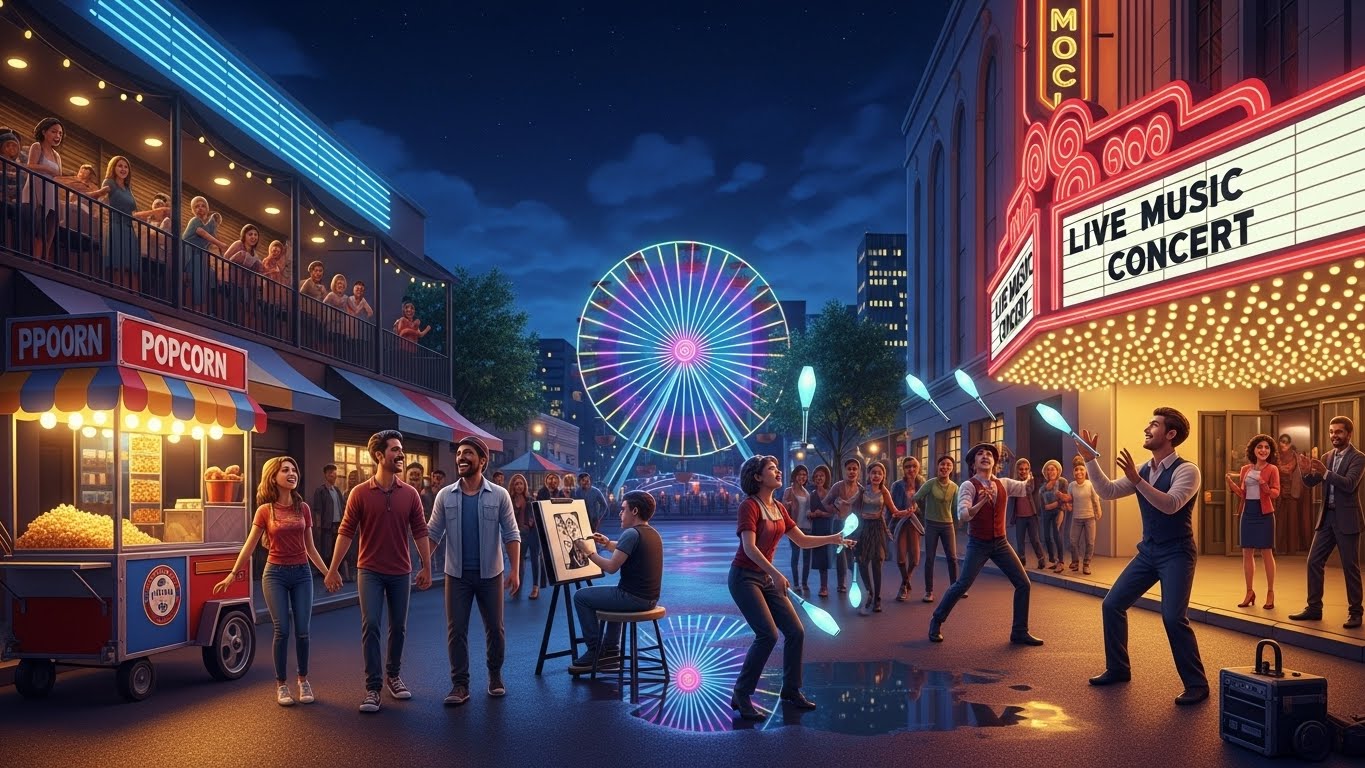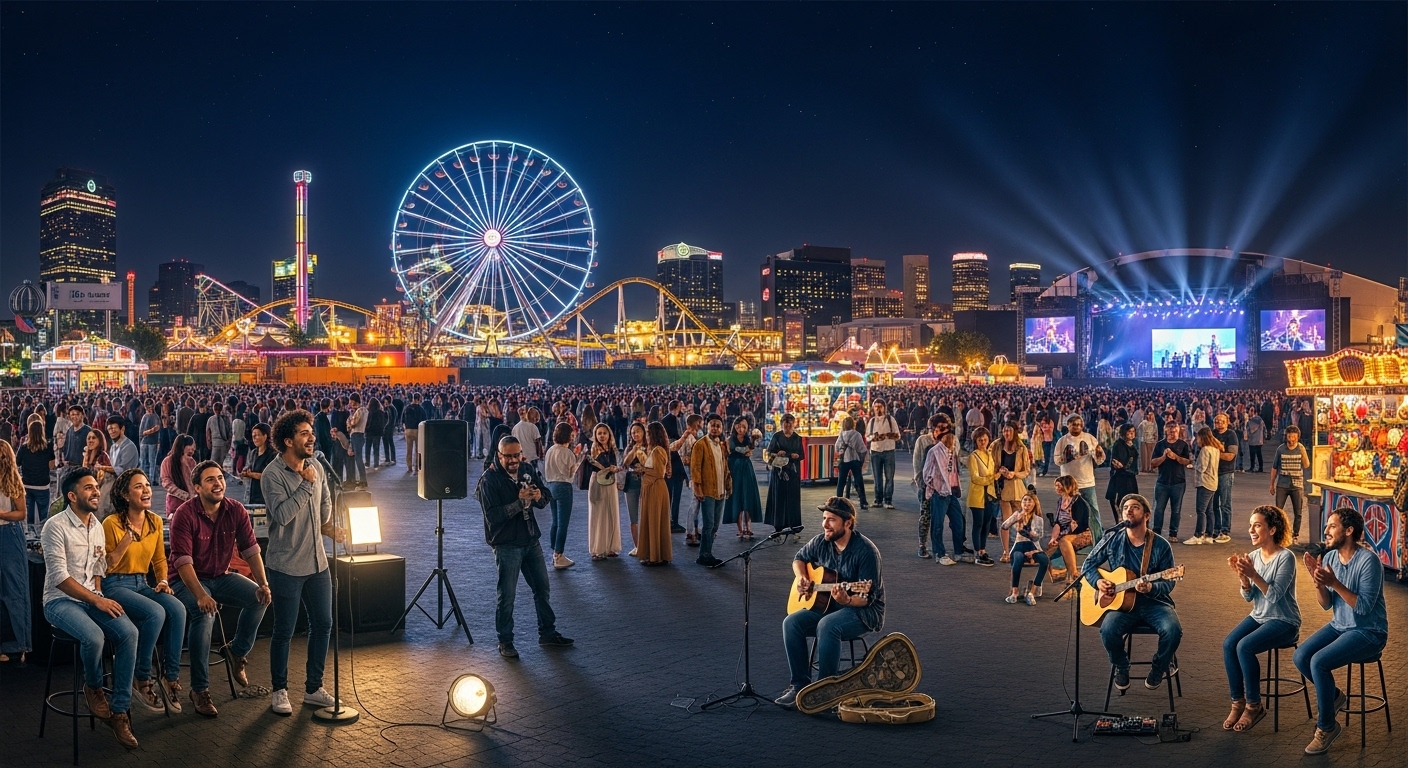
Entertainment is an essential part of human life. It is not only a way to pass time but also a reflection of culture, creativity, and society’s evolving tastes. From ancient rituals and oral storytelling to modern digital experiences, entertainment has grown into a dynamic industry that shapes trends, influences lifestyles, and brings people together across the world. In this blog, we explore the history, evolution, impact, and future of entertainment, revealing why it remains one of humanity’s most powerful expressions.
The Origins of Entertainment
The history of entertainment is as old as human civilization. Early humans entertained themselves through storytelling, music, dance, and art. These activities were not only for amusement but also served educational and social purposes. Stories taught moral lessons, music and dance strengthened community bonds, and artistic expressions conveyed cultural values.
Ancient civilizations further institutionalized entertainment. The Greeks introduced theater, with plays combining drama, comedy, and music in grand amphitheaters. Romans organized gladiatorial games, chariot races, and public spectacles that attracted large crowds. In each case, entertainment was not just leisure—it mirrored societal values, politics, and human creativity. These early forms laid the foundation for modern entertainment industries.
Theater and Performing Arts
Theater remains a cornerstone of entertainment. Over centuries, it evolved from simple storytelling performances to complex productions featuring elaborate sets, costumes, and lighting. Theater has always offered a unique combination of storytelling, emotion, and live audience engagement.
During the Middle Ages, traveling performers, minstrels, and puppeteers brought entertainment to local communities. Festivals and fairs were common venues for storytelling, comedy, and music. As societies urbanized, permanent theaters became popular, allowing larger audiences to experience performances. Modern theater continues to adapt by integrating technology and immersive experiences, creating productions that captivate audiences while preserving the emotional essence of live performance.
The Rise of Cinema
The invention of cinema in the late 19th century marked a turning point in entertainment. Early silent films relied on expressive acting, visual storytelling, and innovative camera techniques to engage audiences. The addition of sound, color, and special effects transformed films into fully immersive experiences capable of evoking laughter, suspense, and emotion.
Hollywood quickly became the hub of global cinema. Iconic films influenced fashion, behavior, and societal trends, while international distribution allowed audiences worldwide to experience diverse stories. Cinema evolved into both entertainment and cultural commentary, reflecting the hopes, fears, and aspirations of societies. Over time, films became a universal language, connecting people across geographic and cultural boundaries.
Television and Home Entertainment
Television revolutionized the way entertainment reached audiences. Unlike cinema, which required viewers to visit theaters, television brought entertainment into homes. Families gathered to watch dramas, sitcoms, news, and live events, turning viewing into a shared cultural ritual.
Television also democratized entertainment. Content became accessible to anyone with a TV, allowing broader participation in cultural conversations. Reality TV, talk shows, and live broadcasts expanded the diversity of content, offering entertainment for all tastes. Television continues to influence trends, language, and social norms, shaping everyday life for millions worldwide.
The Universal Language of Music
Music is one of the most timeless and universal forms of entertainment. From classical symphonies to modern pop hits, music evokes emotion, inspires creativity, and brings people together. Music has evolved alongside technology—from vinyl records to cassettes, CDs, and digital streaming platforms—making it more accessible than ever before.
Live performances, concerts, and festivals provide experiences that cannot be replicated digitally. The energy of the crowd, the visual spectacle, and the shared connection between performer and audience create unforgettable moments. Social media and online platforms also allow new artists to reach global audiences, expanding creativity and reshaping the music industry. Music continues to be both entertainment and a cultural expression, reflecting personal identity and societal trends.
Gaming and Interactive Entertainment
Video games have emerged as one of the most popular forms of modern entertainment. Unlike traditional passive forms, gaming offers interactivity, allowing players to influence outcomes, explore virtual worlds, and experience narratives firsthand.
Online multiplayer games create global communities, connecting millions of players. Competitive gaming, known as esports, has turned gaming into a spectator sport, attracting large audiences and professional players. Virtual reality and augmented reality continue to expand gaming possibilities, offering immersive experiences that blur the line between physical and digital worlds. Gaming is unique in combining storytelling, creativity, strategy, and social interaction, making it a dominant form of modern entertainment.
Streaming and On-Demand Culture
Streaming platforms have fundamentally changed entertainment consumption. Audiences can now choose what to watch, when to watch it, and how to engage with content. This on-demand culture has reshaped both the creation and consumption of entertainment, encouraging innovative storytelling and niche content.
Global accessibility allows shows, films, and videos from different cultures to reach audiences worldwide. Streaming also fosters interactive experiences, enabling viewers to engage with creators, participate in live chats, and influence content. The rise of on-demand entertainment has redefined audience expectations, shifting habits toward personalized and flexible viewing experiences.
Social Media and Short-Form Entertainment
Social media has added another layer to the entertainment landscape. Short-form videos, challenges, live streams, and viral content create instant engagement and connectivity. Platforms enable anyone to become a content creator, democratizing entertainment and fostering creativity.
Viral trends, memes, and online challenges not only entertain but also shape culture. Social media allows communities to share humor, art, and information quickly, reflecting global tastes and trends. Entertainment has become participatory, inviting audiences to contribute, share, and shape the content they consume.
Live Experiences and Immersive Entertainment
Despite digital innovation, live entertainment retains a unique appeal. Concerts, theater productions, festivals, and sporting events provide experiences that cannot be replicated online. The energy, immediacy, and emotional intensity of live performances create lasting memories and a sense of community.
Experiential entertainment is also evolving beyond traditional stages. Interactive exhibits, escape rooms, themed attractions, and immersive installations encourage exploration, creativity, and social interaction. Audiences are increasingly seeking experiences where they can actively participate rather than passively observe, highlighting the evolving nature of entertainment.
The Future of Entertainment
The future of entertainment promises exciting innovations. Artificial intelligence, virtual reality, augmented reality, and holographic projections are creating entirely new forms of interactive and immersive experiences. Personalized content driven by analytics will become more common, offering entertainment tailored to individual preferences, moods, and behaviors.
Entertainment will also increasingly intersect with education, wellness, and social interaction, transforming it into a tool for learning, personal growth, and community building. Hybrid experiences blending reality and virtual worlds will redefine storytelling, engagement, and creativity, opening endless possibilities for how audiences experience entertainment.
Conclusion
Entertainment is a reflection of human creativity, culture, and innovation. From ancient storytelling and theater to digital gaming and immersive experiences, it has continually evolved to meet society’s needs and technological advances. Entertainment connects people, shapes culture, and provides emotional and intellectual engagement, making it an essential part of human life.
As technology advances, entertainment will continue to push boundaries, merge realities, and redefine human experience. It is not just a pastime; it is a celebration of imagination, connection, and the universal desire to be inspired, engaged, and delighted. From stages to screens and beyond, entertainment remains one of the most powerful forces shaping human society.