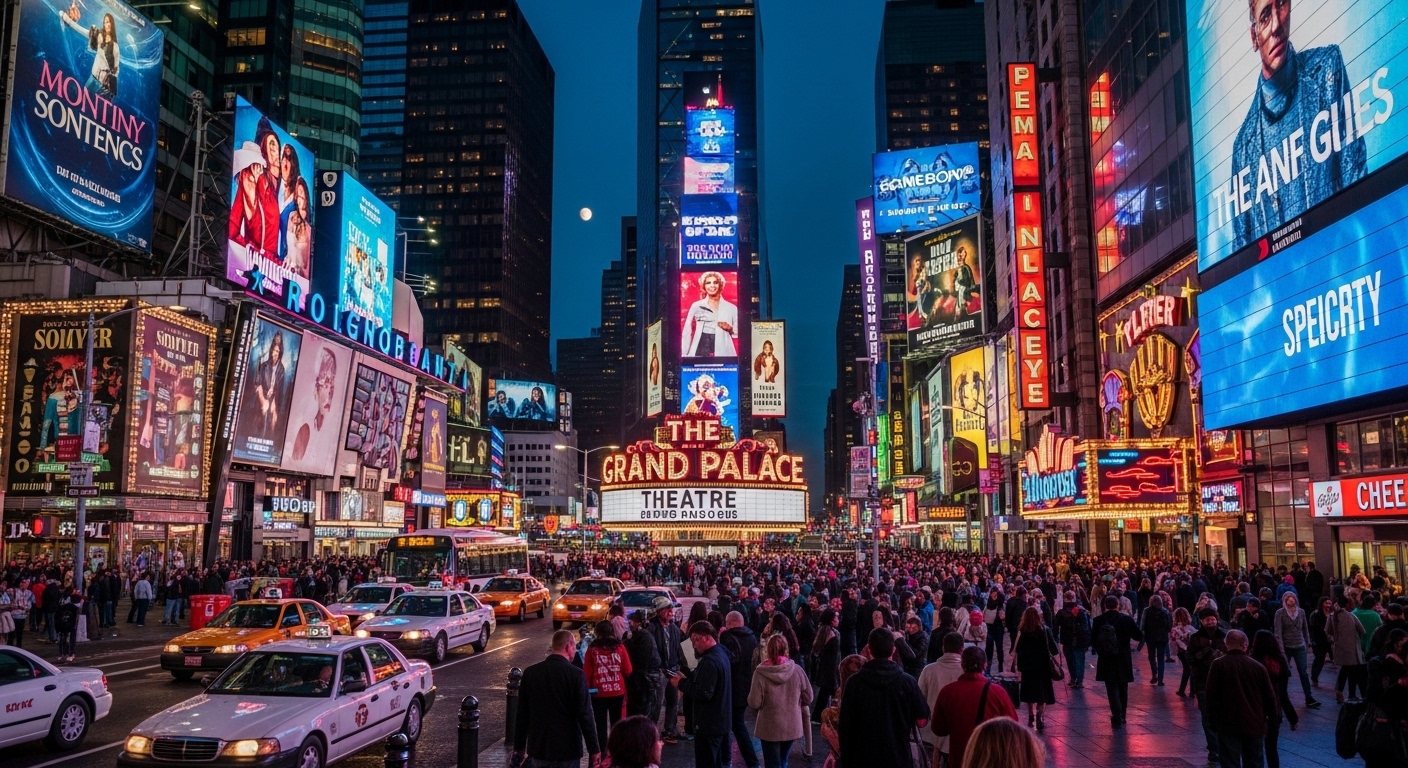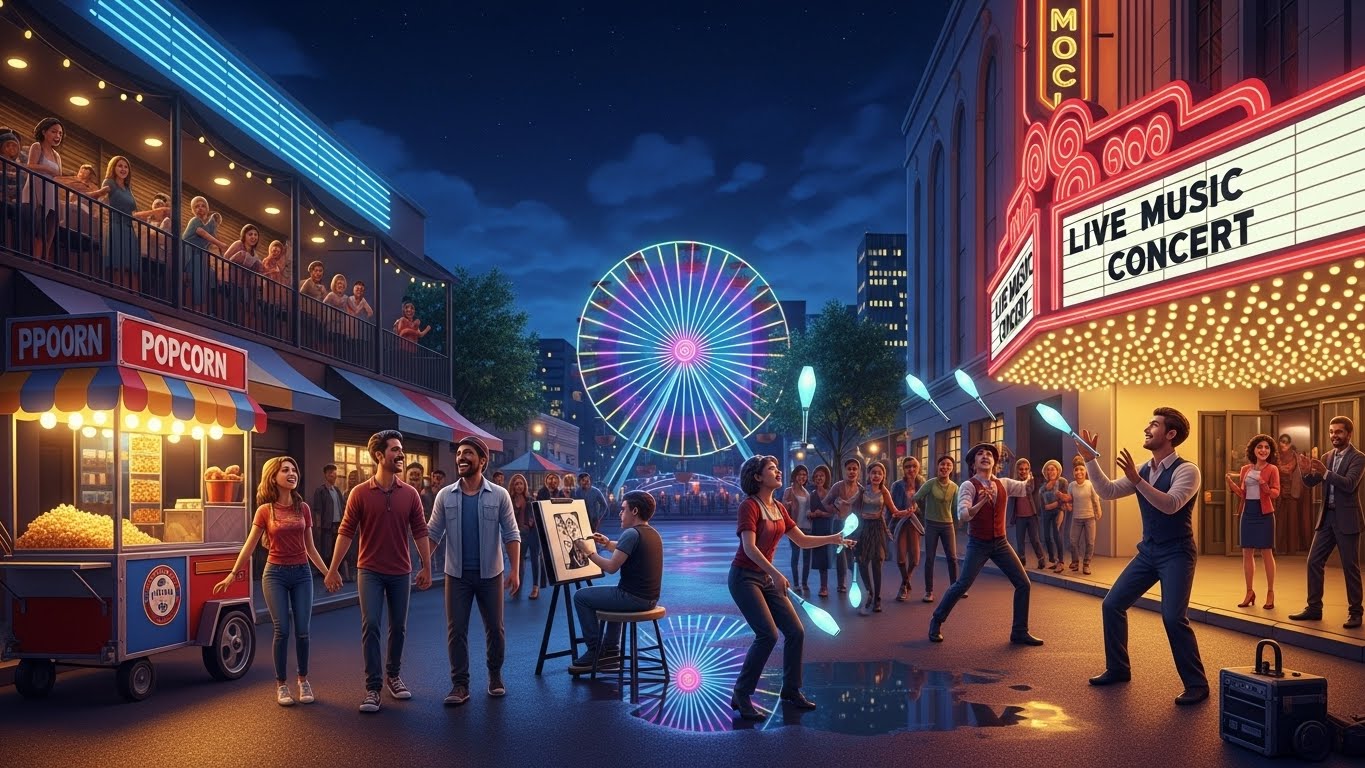
Entertainment has always been a reflection of human imagination. From ancient storytelling around fires to the explosive rise of digital platforms, our ways of entertaining ourselves have evolved dramatically. Today, entertainment is no longer just a pastime—it is an immersive experience, a cultural driver, and a global language understood beyond borders. In this blog post, we will explore how entertainment continues to reshape our modern world, the trends redefining creativity, and what the future may hold for audiences everywhere.
The Evolution of Entertainment: From Stages to Screens
Human beings have entertained themselves for as long as societies have existed. Early civilizations depended on oral traditions, music, and dance to convey history and culture. As time progressed, entertainment moved from simple performances to structured stages and arenas.
The invention of cinema transformed this landscape. Suddenly, stories were no longer confined to theaters or public squares. They could be captured, replayed, and shared. This marked the beginning of mass entertainment—a phenomenon that only grew stronger with the introduction of television, radio, and eventually the internet.
Today, entertainment is accessible from the palm of a hand. Mobile devices, streaming platforms, and social media have turned the world into a global stage where anyone can participate, create, and share.
The Rise of Streaming Culture
Streaming platforms have revolutionized how audiences consume content. Gone are the days when people waited eagerly for weekly episodes or limited showtimes. Now, entertainment is available on demand. Binge-watching has become a cultural norm, and viewers crave variety, convenience, and control.
This shift has influenced not only how shows and movies are produced but also how they are structured. Many creators design series with streaming habits in mind, focusing on gripping first episodes, cliffhangers, and continuous story arcs that keep viewers glued to the screen.
Streaming has also broken geographical barriers. People can enjoy content from any corner of the world, discovering new cultures, languages, and storytelling styles. This global interconnectedness has diversified entertainment, making it richer and more inclusive than ever before.
The Social Media Revolution and the Birth of the Micro-Celebrity
Social media has dramatically changed the notion of fame. In the past, celebrities were actors, musicians, or sports stars. Today, anyone can achieve stardom through talent, creativity, or even a single viral moment.
Platforms centered around short-form videos have produced an entirely new category of influencers. These digital creators build communities, inspire trends, and often shape public conversations more effectively than traditional celebrities.
What makes this shift remarkable is accessibility. People no longer need million-dollar budgets or professionals behind the scenes. A smartphone camera, an idea, and consistency can propel someone to global recognition. This democratization of fame has sparked countless success stories and changed how brands, fans, and creators interact.
Entertainment as an Escape in a Fast-Paced World
Today’s world is fast, demanding, and often overwhelming. Entertainment serves as a powerful escape—offering relief, distraction, and emotional comfort. Whether it’s losing oneself in a movie, immersing in a thrilling game, or following a favorite influencer, entertainment helps people cope with stress and find pockets of joy in their daily lives.
Moreover, entertainment can be therapeutic. Music can elevate moods, films can inspire, and humor can uplift. Studies consistently show that entertainment is not just enjoyable—it’s essential for mental well-being. It provides a safe space where individuals can disconnect from their worries and reconnect with their inner selves.
The Gaming Boom and Digital Worlds
Gaming has become one of the most influential sectors in modern entertainment. No longer viewed as a niche hobby, gaming now stands shoulder to shoulder with mainstream entertainment forms. Advances in technology have contributed immensely to this growth. High-resolution graphics, immersive sound design, and AI-driven storytelling make games feel more like interactive movies than simple digital activities.
Online multiplayer platforms have created vast communities where people from different countries collaborate, compete, and form friendships. Esports tournaments draw global audiences, often rivaling major sporting events in viewership.
What makes gaming particularly fascinating is its ability to place players in control. They are not mere observers—they are participants shaping the narrative. This level of engagement is unmatched by most other entertainment forms.
The Power of Music in a Connected World
Music is universal. Regardless of language or borders, it resonates deeply with emotions. In today’s interconnected world, the music industry has transformed into a global ecosystem. Artists can reach millions instantly through digital platforms, and fans can discover new genres with a single tap.
Cross-cultural collaborations have become increasingly common. Musicians blend styles from different traditions, creating fresh sounds that appeal to diverse audiences. This exchange enriches the global music landscape, introducing listeners to rhythms and voices they might otherwise never encounter.
Furthermore, live music has made a strong comeback, blending physical concerts with digital experiences. Virtual performances, interactive fan sessions, and online music festivals show how technology and creativity can harmonize perfectly.
Cinema in the Age of Immersive Experiences
Cinema has faced numerous challenges, especially with the rise of home streaming. However, it remains a beloved form of entertainment because of its grand experience. Modern audiences crave immersive environments—something living rooms cannot replicate.
Filmmakers are constantly pushing boundaries with new techniques, including high-definition visuals, interactive formats, and advanced sound technologies. The goal is not just to tell a story but to transport viewers into it.
Many cinemas have adapted by offering premium experiences such as enhanced seating, gourmet snacks, and interactive screenings. These innovations help keep the magic of movie-going alive while complementing the rise of digital platforms.
How Technology Continues to Redefine Creativity
Technology has always influenced entertainment, but recent years have seen an extraordinary surge in innovation. Artificial intelligence, virtual reality, augmented reality, and motion capture have opened new creative doors.
VR headsets transport users into alternate worlds. AR overlays digital elements onto physical spaces. AI algorithms help generate music, artwork, and even scripts, offering creative tools that enhance rather than replace human imagination.
Technology not only changes how entertainment is created—it changes how it is experienced. Personalized recommendations, interactive storytelling, and enhanced visual effects make modern entertainment deeply engaging and uniquely tailored to individual preferences.
The Future of Entertainment: Boundless Possibilities
As we look ahead, entertainment shows no signs of slowing down. The future may include even more immersive formats, such as holographic concerts, AI-driven movies that adapt to viewer choices, and virtual spaces where people can socialize, create, and participate in stories together.
There is also growing interest in ethical and inclusive storytelling. Audiences want diverse voices, authentic representation, and narratives that reflect real experiences. This cultural shift encourages creators to think more broadly and empathetically.
Ultimately, the future of entertainment is a fusion of imagination, technology, and human emotion. It will continue to evolve as society changes, offering new ways to connect, escape, learn, and express.
Conclusion: Entertainment as the Heartbeat of Modern Culture
Entertainment is more than fun—it’s a universal connector, an emotional outlet, and a mirror reflecting the world around us. In the digital age, it has grown more dynamic, inclusive, and interactive than ever before. From streaming platforms to gaming universes, from social media celebrities to cinematic masterpieces, entertainment shapes the rhythm of our daily lives.
As technology continues to advance and creativity reaches new heights, the world of entertainment will keep expanding, inviting us all to explore, dream, and experience stories beyond imagination.
In this ever-changing landscape, one truth remains constant: entertainment will always be at the heart of human culture, bringing people together through shared moments of joy, thrill, and inspiration.