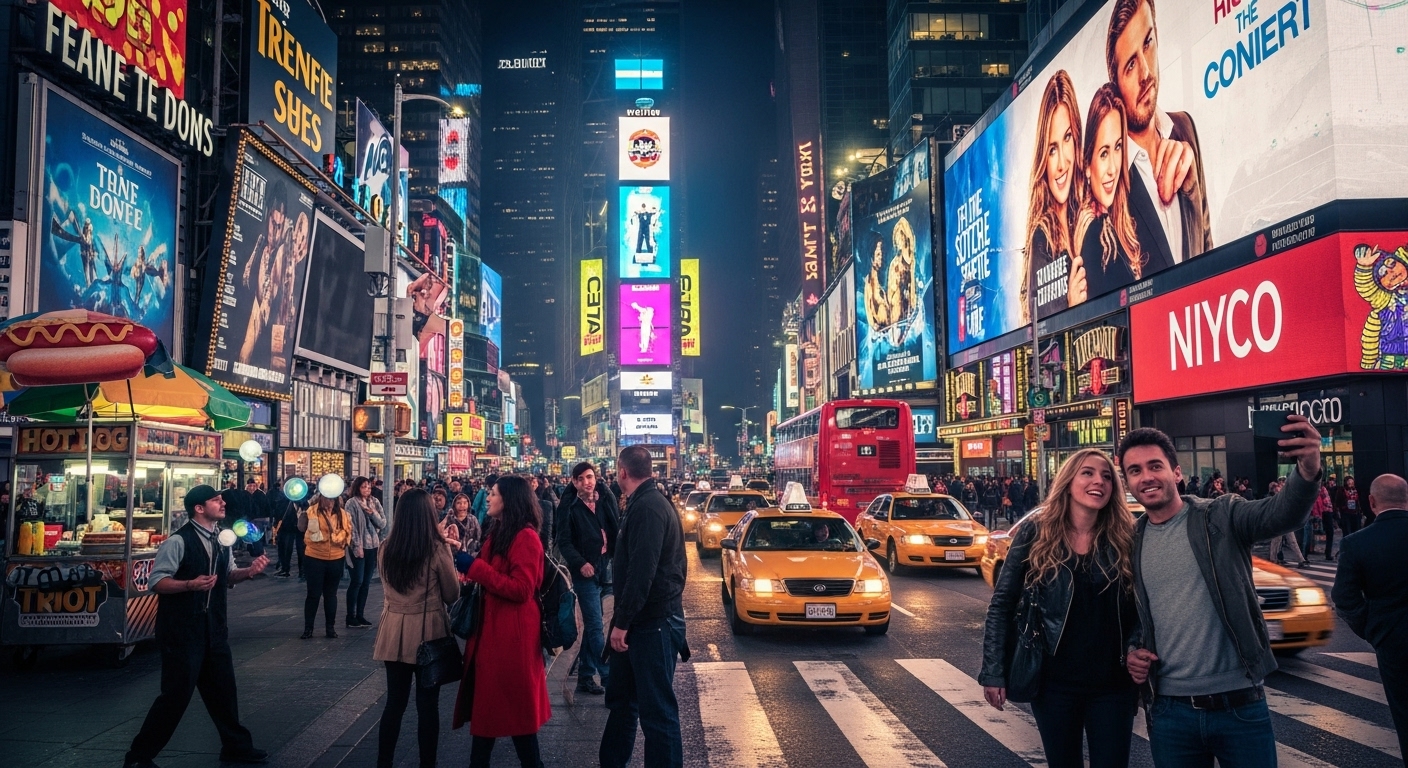
Entertainment is an essential part of human life, providing an escape from the mundane, fostering creativity, and connecting us with stories and ideas. In recent years, the landscape of entertainment has seen tremendous shifts, thanks to technological advancements, changing cultural dynamics, and evolving consumer preferences. From the rise of streaming platforms to the reinvention of live events, entertainment has become more diverse and immersive than ever before. In this blog post, we will explore the current trends shaping the world of entertainment, the influence of technology, and how it is catering to a more personalized and global audience.
The Streaming Revolution: Changing the Game for Content Consumption
One of the most significant transformations in entertainment has been the rise of streaming platforms. Traditional television, which once dominated the entertainment industry, has faced a steep decline in viewership. With the advent of platforms like Netflix, Amazon Prime Video, Disney+, and newer players such as Apple TV+ and Hulu, consumers now have access to an entire world of content at their fingertips.
These streaming services have altered the way people consume television shows, movies, and even documentaries. Rather than waiting for weekly episodes or scheduling time for a specific movie showing, viewers can now binge-watch entire seasons or movies at their convenience. This on-demand format allows people to customize their viewing habits, leading to a more personalized entertainment experience.
Moreover, streaming platforms have also transformed the content production landscape. Traditional studios no longer hold a monopoly on creating high-quality films and television series. Streaming services are investing heavily in original content, with shows like Stranger Things, The Mandalorian, and The Witcher garnering massive followings. These platforms are creating a new era of “content-driven” entertainment, where the focus is on delivering engaging and innovative stories, often with larger budgets than what traditional networks could afford.
The Influence of Social Media and Digital Platforms
Another key player in the modern entertainment ecosystem is social media. Platforms like YouTube, TikTok, Instagram, and Twitter have become essential sources of entertainment, news, and culture. The short-form video format, particularly on TikTok, has revolutionized how people engage with entertainment. TikTok’s algorithm, which tailors content based on user preferences, has created a highly engaging and addictive experience, helping videos go viral in a matter of hours.
Additionally, YouTube remains one of the most significant platforms for both creators and consumers. The rise of YouTubers, vloggers, and independent content creators has democratized entertainment. People are no longer reliant on major studios or television networks to produce content that entertains or informs. With the ability to monetize their channels, many have turned content creation into full-time careers, further influencing entertainment consumption patterns.
Social media influencers, too, have become celebrities in their own right. With massive followings, influencers shape trends in fashion, beauty, fitness, and even gaming. Their reach and ability to connect with niche audiences have made them a critical part of the entertainment industry. Brands now collaborate with influencers to reach younger, digital-native consumers, creating a hybrid of advertising and entertainment.
The Rise of Virtual and Augmented Reality
As technology continues to advance, entertainment has also embraced virtual and augmented reality (VR and AR). These immersive technologies offer experiences that are far beyond the traditional forms of entertainment, creating interactive worlds that transport users into entirely new environments.
In gaming, VR has already made substantial strides. Consoles like the PlayStation VR and platforms such as Oculus Rift are allowing gamers to step into the shoes of their favorite characters or navigate fantastical worlds in ways that were once only possible in imagination. VR gaming offers unparalleled immersion, making it one of the most exciting trends in the entertainment sector.
Similarly, AR has seen its fair share of attention in entertainment. Games like Pokémon Go brought AR into the mainstream, allowing users to interact with digital elements overlaid on the real world. More recently, AR has been integrated into live events, such as concerts or sports games, offering a more engaging experience for audiences. With advancements in smartphones and wearable technology, AR’s potential in entertainment is bound to grow even further.
The marriage of VR, AR, and entertainment is set to revolutionize how we interact with stories, media, and even live events. Imagine watching a concert and feeling like you are in the front row, or visiting a museum where historical artifacts come to life right before your eyes. The future of entertainment promises to be an interactive and deeply immersive experience.
The Role of Video Games: Beyond Just a Hobby
Video games have long been seen as a form of entertainment, but in recent years, they have emerged as one of the most dominant forms of media. The gaming industry now outperforms both film and music industries in terms of revenue, and its influence continues to expand globally. The growth of esports, live streaming platforms like Twitch, and the increasing sophistication of game graphics and narratives have transformed video gaming from a niche hobby into a mainstream form of entertainment.
Esports, in particular, has exploded in popularity, with competitive gaming tournaments drawing millions of viewers worldwide. Professional gamers are now celebrities in their own right, earning sponsorships, creating content, and competing for massive prize pools. This has led to the rise of gaming leagues, sponsorships from major brands, and gaming-specific media outlets.
Moreover, video games are increasingly recognized for their storytelling capabilities. With intricate plots, richly developed characters, and immersive worlds, many modern games are akin to interactive movies. Titles such as The Last of Us, Red Dead Redemption 2, and Cyberpunk 2077 show how video games can rival traditional media in terms of narrative depth and emotional impact. The ability to make choices that influence the storyline adds an interactive element that movies and television cannot replicate.
Live Events and the Revival of Experiential Entertainment
While digital entertainment is booming, the desire for live, in-person experiences remains strong. Concerts, theater productions, sports events, and festivals provide a unique form of entertainment that cannot be replicated through a screen. The immersive nature of live events, the energy of a crowd, and the sense of being part of something bigger than oneself are key reasons why these events continue to captivate audiences.
In recent years, live events have become more innovative and integrated with technology. Concerts are incorporating holographic performances, 3D visuals, and augmented reality elements to enhance the experience for attendees. Similarly, sporting events are being broadcast in new ways, offering virtual reality streams and interactive features that allow fans to engage with the event in real time.
Festivals, too, have embraced technology to create more dynamic and interactive experiences. Coachella, for example, offers live streams, virtual tours, and augmented reality experiences for fans who cannot attend in person. This shift in how live events are experienced has made them more accessible to a global audience, blending the physical and digital worlds in exciting new ways.
The Future of Entertainment: Personalization and Globalization
Looking ahead, the future of entertainment appears to be shaped by two major forces: personalization and globalization.
Personalization is already evident in the way streaming platforms curate content based on individual viewing habits. As AI and machine learning continue to evolve, the ability to offer highly tailored recommendations will only improve, allowing for more precise suggestions based on past preferences and viewing patterns. Additionally, the rise of interactive storytelling, as seen in games and certain Netflix shows (e.g., Bandersnatch), allows users to have a more personalized narrative experience.
Globalization, on the other hand, is bringing diverse content to audiences around the world. With the global reach of digital platforms, entertainment is no longer limited by geographical boundaries. Audiences can watch shows and movies from different cultures, languages, and traditions. The success of foreign-language shows like Money Heist and Squid Game on Netflix illustrates the power of global content in today’s entertainment landscape. This trend is also visible in the gaming world, where titles are being localized for multiple languages and regions, creating a truly global entertainment market.
Conclusion: A More Inclusive and Dynamic Entertainment World
Entertainment has come a long way from its origins as simple pastimes or theatrical performances. Today, it is a multi-faceted, immersive, and globally connected industry that blends technology, storytelling, and creativity in new and exciting ways. From the rise of streaming services to the influence of social media, VR gaming, and the growth of live events, entertainment has evolved to cater to the desires of an increasingly tech-savvy, global audience.
As technology continues to advance and consumer preferences shift, we can only imagine how entertainment will continue to evolve. What is clear is that the future of entertainment will be more diverse, personalized, and interactive than ever before, offering something for everyone in an increasingly connected and digitized world.