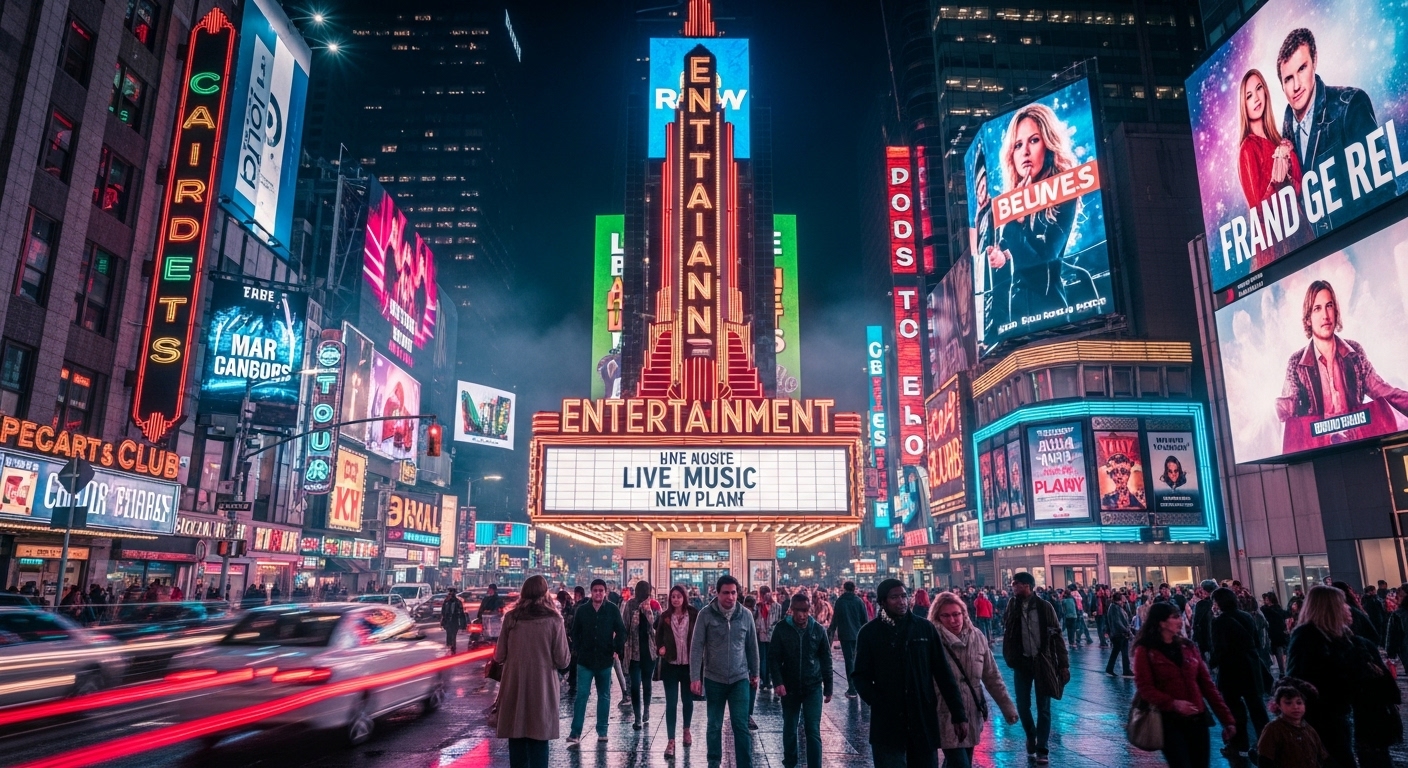
Introduction: The Universal Language of Joy
Entertainment is an inseparable part of human life. It transcends boundaries, cultures, and generations. Whether it is a theater performance, a captivating film, or a song that stirs emotions, entertainment connects people through shared experiences. Throughout history, humans have found countless ways to amuse, inspire, and express themselves. Entertainment is not merely about fun; it is a reflection of society, a mirror of human creativity, and a force that shapes cultures and lifestyles. As the world continues to evolve, so does entertainment—transforming from simple gatherings around a fire to complex digital worlds accessible at our fingertips.
The Ancient Roots of Entertainment
The concept of entertainment dates back to the earliest civilizations. Ancient people used storytelling, dance, and music to communicate experiences and celebrate life. Storytelling was a means of passing wisdom and traditions from one generation to another. Ancient Egypt, Greece, and Rome were among the first societies to develop structured forms of entertainment. Egyptians enjoyed banquets with music and dance, while the Greeks built amphitheaters for dramatic performances that explored themes of love, war, and morality.
In ancient Rome, entertainment reached grand scales through gladiator battles, chariot races, and theatrical plays performed in massive arenas. These events were not just for enjoyment but also a way for rulers to maintain public satisfaction. Even in its earliest forms, entertainment had both cultural and social significance—it unified people and reflected the identity of civilizations.
The Birth of Performing Arts
As societies advanced, entertainment became more organized and artistic. The Middle Ages introduced traveling performers, musicians, and jesters who entertained both nobles and villagers. The Renaissance era marked a golden age for art and performance. Theater became a respected art form, with great playwrights such as William Shakespeare redefining storytelling through emotional depth and character-driven plots.
Opera and ballet also emerged during this time, combining music, movement, and drama into mesmerizing performances. These art forms laid the foundation for modern theater and film, proving that entertainment could be both intellectually engaging and emotionally fulfilling.
The Invention of Film: A New Era Begins
The late 19th century brought one of the most revolutionary inventions in entertainment—the motion picture camera. This breakthrough allowed stories to be told visually, reaching audiences in ways never before imagined. Early silent films amazed viewers who watched moving images on a screen for the first time. Filmmakers like Charlie Chaplin and Georges Méliès turned cinema into an art form that blended humor, fantasy, and human emotion.
By the early 20th century, Hollywood had become the heart of global cinema. The introduction of sound in movies, or “talkies,” changed everything. The world fell in love with stars of the silver screen, and cinema became a universal form of entertainment. Films not only entertained but also influenced fashion, language, and social ideals. From black-and-white classics to colorful blockbusters, movies shaped generations and defined popular culture.
The Rise of Radio and Television
While cinema ruled the theaters, another medium emerged that brought entertainment directly into homes—radio. In the early 1900s, radio became the most powerful communication tool, offering music, news, and drama to millions of listeners. Families gathered around radios to enjoy live broadcasts, comedy shows, and musical performances.
Television soon followed, revolutionizing entertainment once again. By the 1950s, television sets were common household items. People could watch live events, news, sports, and scripted shows all from their living rooms. This era produced timeless programs that brought joy and unity to families. Television became not just a form of entertainment but also a cultural experience that reflected the hopes, dreams, and struggles of society.
The Digital Revolution: A New Age of Entertainment
The late 20th and early 21st centuries witnessed the greatest transformation in entertainment history. The rise of the internet changed everything. What was once confined to cinemas or television screens became accessible anywhere and anytime. The digital revolution allowed audiences to choose their own form of entertainment. Music, movies, games, and shows were now available on demand.
Streaming services replaced traditional broadcasting, offering vast libraries of content at the click of a button. Audiences were no longer passive consumers—they became active participants. The internet gave birth to new genres, creators, and communities. Podcasts, web series, and online videos became dominant sources of entertainment, and social media introduced a new kind of celebrity: the influencer.
The world of entertainment expanded beyond borders. People could enjoy music from Africa, films from Asia, and comedies from Europe—all within seconds. This digital democratization made entertainment truly global.
Music: The Soul of Entertainment
Music has always been the heartbeat of entertainment. From ancient instruments to modern digital production, music transcends language and emotion. It tells stories, celebrates cultures, and heals hearts. Each era of history has been defined by its musical evolution—from classical compositions to jazz, rock, pop, and hip-hop.
Technology has also transformed the music industry. Once reliant on records and CDs, music is now streamed digitally by millions of users daily. Artists can share their creations instantly with a global audience. Concerts and festivals continue to bring people together, while virtual performances have opened new possibilities for fan engagement.
Music remains one of the most powerful forces in entertainment because of its emotional connection. It has the unique ability to bring joy, comfort, and unity across diverse communities.
Gaming: The Interactive Entertainment Revolution
Video games have evolved from simple pixelated graphics to immersive virtual worlds. What began as arcade entertainment in the 1970s has now become a multibillion-dollar industry rivaling film and music. Gaming is no longer just a hobby—it is a cultural and professional phenomenon.
Modern games offer cinematic storytelling, social interaction, and competitive excitement. Players can explore virtual universes, build empires, or compete in international esports tournaments. Esports has turned gaming into a spectator sport, with professional players achieving celebrity status and earning massive rewards.
Advances in technology, such as virtual reality and artificial intelligence, are taking gaming to new heights. Interactive entertainment now blurs the line between reality and imagination, giving users experiences that are both personal and shared.
Social Media: The New Entertainment Powerhouse
Social media has changed how entertainment is created, consumed, and shared. Platforms allow anyone to become an entertainer, from dancers and comedians to storytellers and educators. Short-form videos, live streams, and digital challenges dominate online culture, creating new trends that spread across the globe within minutes.
Unlike traditional entertainment, social media is interactive. Audiences can engage directly with creators through comments, shares, and collaborations. This has led to a more personal and dynamic form of entertainment where fans feel connected to their favorite personalities. Social media has also given rise to new careers, with influencers and content creators becoming the face of digital entertainment.
The Business of Entertainment
Behind every movie, song, or show lies a massive industry driving the global economy. Entertainment is not just art—it is business. The industry includes film studios, record labels, production houses, advertising agencies, and streaming platforms. Together, they generate billions in revenue every year.
Brand partnerships and sponsorships play a key role in funding entertainment ventures. Fashion, technology, and even sports industries collaborate with entertainers to promote their products and values. However, this commercial side also brings challenges, such as maintaining artistic integrity while meeting market demands. The balance between creativity and commerce continues to shape the future of entertainment.
Cultural Influence of Entertainment
Entertainment holds the power to influence society in profound ways. Films, music, and literature often reflect social realities, challenge stereotypes, and inspire change. A song can ignite a movement; a film can open minds to new perspectives.
Cultural representation in entertainment has become increasingly important. Audiences today demand diversity, authenticity, and inclusivity. Stories that celebrate different backgrounds, genders, and experiences have found immense success because they resonate with global audiences.
Moreover, entertainment often becomes a form of education. Documentaries, historical dramas, and socially conscious art help raise awareness about critical issues. Through laughter, tears, and emotion, entertainment becomes a tool for empathy and understanding.
The Future of Entertainment: Innovation and Imagination
The future of entertainment is boundless. Emerging technologies like virtual reality, augmented reality, and artificial intelligence are redefining creativity. Imagine watching a movie where you can interact with characters or attending concerts from your living room through virtual reality. These innovations are not science fiction—they are becoming reality.
Artificial intelligence is also transforming how content is created and personalized. From music composition to digital storytelling, AI helps artists and producers deliver unique experiences tailored to individual preferences.
Sustainability and ethics are becoming central to entertainment’s evolution. As the world becomes more conscious of environmental and social responsibilities, entertainment companies are focusing on reducing waste and promoting positive change through their platforms.
Conclusion: The Timeless Spirit of Entertainment
Entertainment has traveled an extraordinary journey from ancient storytelling to virtual experiences. It has adapted, innovated, and grown alongside humanity, reflecting our dreams and desires. No matter how technology changes, the essence of entertainment remains the same—it brings people together. It inspires laughter, provokes thought, and fuels imagination.
In every form—music, film, art, games, or performance—entertainment remains a celebration of human creativity. As the world continues to evolve, entertainment will keep reminding us of one truth: we are all storytellers at heart, seeking joy, connection, and meaning in the world around us.