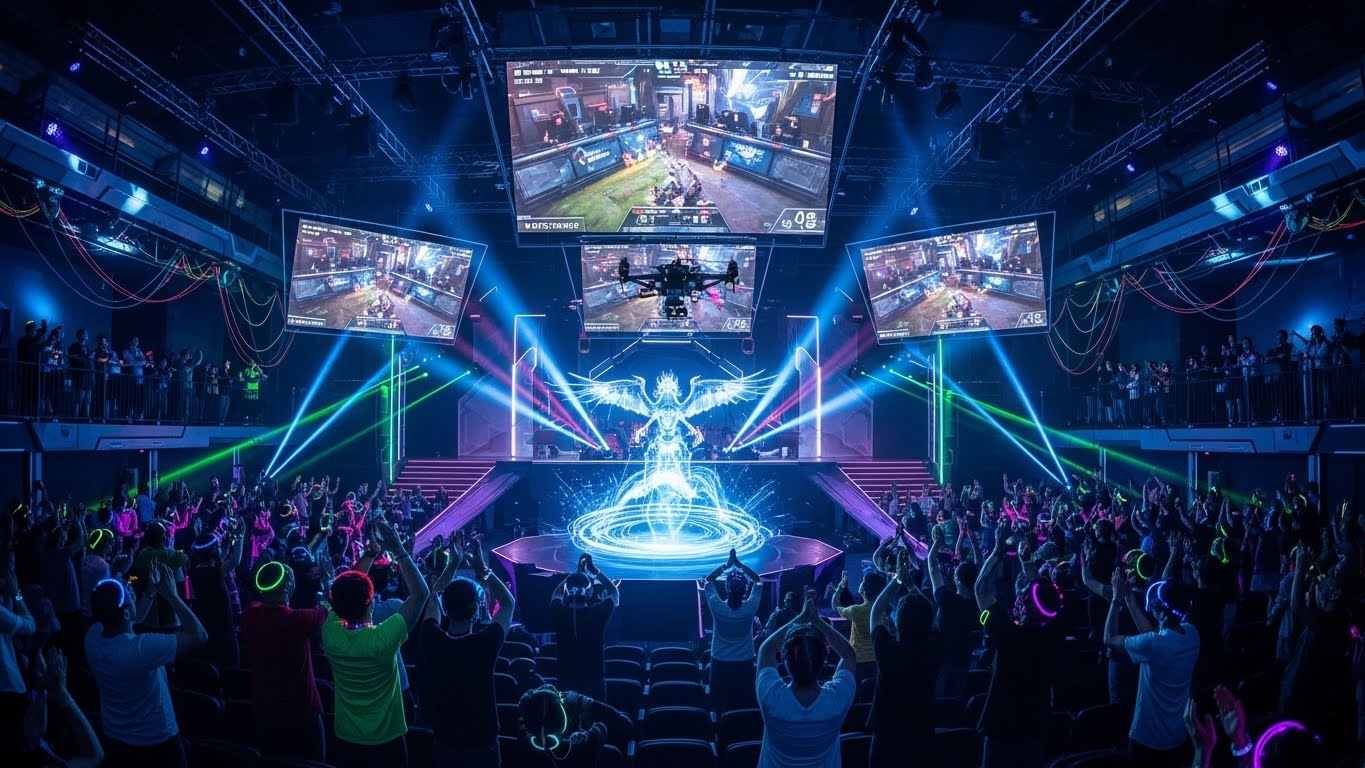
Entertainment has always been an integral part of human life. From ancient tribal rituals to modern-day streaming services, the ways in which we entertain ourselves have undergone a profound transformation. With the rise of technology, entertainment has evolved from traditional forms such as theater, radio, and television to digital platforms that allow for instant access to an infinite array of content. In this blog, we will explore the journey of entertainment through the ages, the impact of technology on its evolution, and the future of entertainment in our increasingly digital world.
The Birth of Entertainment: Ancient Origins
Entertainment, in its earliest form, was linked closely to social rituals and gatherings. In ancient civilizations, entertainment was often part of religious ceremonies or communal celebrations. Storytelling was an essential form of entertainment, passed down orally through generations. This not only served to entertain but also to preserve culture and history. The ancient Greeks are credited with creating some of the first forms of entertainment that resemble modern-day performances, such as theater. Greek plays, often tragedies or comedies, were staged in open-air amphitheaters and served as both entertainment and political commentary.
In parallel, ancient civilizations in Egypt, India, and China also had their own forms of entertainment that often blended performance, ritual, and art. Music, dance, and storytelling were key elements of life and culture. The entertainment forms that originated in these societies may have been basic by today’s standards, but they laid the groundwork for many of the popular forms of entertainment we enjoy today.
The Age of Print and the Rise of Mass Entertainment
With the advent of the printing press in the 15th century, entertainment began to take a more structured form. The printed word gave rise to books, newspapers, and magazines, which became a new medium for entertainment and information. Literature, particularly novels and poetry, flourished during this time, as writers could reach a broader audience. The printing revolution paved the way for a mass-market culture, where people could consume entertainment independently and privately in their homes.
The 18th and 19th centuries saw the development of other forms of entertainment that appealed to the growing middle class. The theater continued to evolve, becoming more elaborate and accessible. Music concerts also became a popular form of entertainment, especially with the rise of classical music composers like Beethoven and Mozart. In the late 19th century, motion pictures emerged as the next big form of entertainment, ushering in a new era of visual storytelling that would change the world forever.
The Birth of Cinema: A New Era of Entertainment
The late 19th century marked a significant shift in the entertainment landscape with the advent of cinema. In 1891, Thomas Edison created the first motion picture camera, and in the years that followed, cinema became a powerful form of entertainment. The early films were short, silent, and in black and white, but they captivated audiences in ways that theater could not. Silent film stars like Charlie Chaplin became household names, and movie theaters began to pop up in cities and towns across the world.
By the 1930s, the film industry had expanded significantly with the introduction of sound in movies, a development that revolutionized the cinematic experience. Hollywood emerged as the epicenter of the film industry, producing iconic films that became part of global culture. The rise of color films in the 1950s further solidified cinema as one of the most dominant forms of entertainment. Movies like Gone with the Wind and The Wizard of Oz became cultural touchstones, and the global audience for films grew exponentially.
The Golden Age of Television: Mass Consumption at Home
In the mid-20th century, television emerged as the new home entertainment medium, and by the 1950s, it had become a fixture in American homes. Television’s accessibility and affordability made it the primary source of entertainment for a vast number of people. It was a medium that allowed families to come together in their living rooms to watch news, sitcoms, dramas, and variety shows.
The 1960s and 1970s saw the explosion of television content, with iconic programs like I Love Lucy, The Twilight Zone, and MASH* becoming staples of American culture. The introduction of color TV further enhanced the viewing experience, making television a more immersive form of entertainment. Throughout this time, TV shows became an essential way to communicate ideas, bring people together, and reflect societal trends and concerns.
The rise of cable television in the 1980s expanded the number of channels available to viewers, which led to an even greater diversification of content. Networks like HBO and MTV revolutionized the way people consumed television, offering both premium programming and more specialized content. By the 1990s, television had reached its peak as the dominant form of entertainment, but little did anyone know that another shift was just around the corner.
The Digital Revolution: The Internet Changes Everything
The rise of the internet in the late 20th and early 21st centuries brought about a seismic shift in the entertainment landscape. With the click of a button, viewers could access an almost limitless supply of content from around the world. This revolutionized not only how we consume entertainment but also what types of entertainment became popular.
The early days of the internet brought new forms of entertainment, such as online games, social media platforms, and downloadable music. Platforms like Napster, which allowed people to share music files for free, challenged traditional business models and forced the music industry to adapt. The ability to share and discover content online gave rise to new subcultures, online communities, and fan-driven movements that reshaped entertainment.
The rise of YouTube in the mid-2000s marked the beginning of user-generated content taking center stage. This platform allowed anyone with a camera to become a content creator, leading to the rise of vloggers, influencers, and independent filmmakers. YouTube also became a key part of the global entertainment ecosystem, offering everything from music videos and tutorials to original series and documentaries.
Around the same time, streaming services like Netflix and Hulu emerged, fundamentally altering how television and movies were consumed. The days of waiting for a weekly episode of a favorite show were replaced by the binge-watching model, where entire seasons of shows were available at once. Streaming allowed for on-demand viewing, creating a more personalized entertainment experience.
The Future of Entertainment: Virtual Reality and Beyond
As we look to the future, the next frontier in entertainment lies in emerging technologies such as virtual reality (VR) and augmented reality (AR). These immersive technologies promise to take entertainment to new heights, offering interactive and engaging experiences that were once the stuff of science fiction.
Virtual reality allows users to immerse themselves in a completely different world, whether for gaming, education, or entertainment. VR has already made waves in the gaming industry, with platforms like Oculus and PlayStation VR offering players an entirely new way to experience games. But VR’s potential extends beyond gaming; industries like film, music, and tourism are exploring ways to use VR to create more immersive experiences.
Augmented reality, on the other hand, blends the real world with virtual elements, enhancing our physical environment with digital information. AR has already begun to influence entertainment, with apps like Pokémon GO allowing users to interact with virtual objects in the real world. As AR technology improves, it’s likely that entertainment experiences will become even more interactive and immersive.
Artificial intelligence (AI) also plays a growing role in entertainment. AI-driven algorithms are already shaping how content is recommended to viewers on platforms like Netflix, YouTube, and Spotify. In the future, AI could create entirely new forms of entertainment, such as interactive narratives where the storyline adapts to the viewer’s choices in real-time.
Conclusion: The Endless Evolution of Entertainment
The history of entertainment is a story of constant innovation and adaptation. From the earliest forms of storytelling in ancient cultures to the rise of digital platforms and emerging technologies like VR and AI, entertainment continues to evolve in exciting and unpredictable ways. As technology advances, so too will our experiences of entertainment, offering new opportunities for connection, creativity, and exploration.
While we cannot predict exactly what the future holds, one thing is certain: entertainment will remain a core aspect of human life. Whether it’s through traditional forms like theater and cinema or through new mediums like virtual reality, the pursuit of enjoyment and engagement will continue to bring people together, inspire creativity, and shape our cultures for generations to come.