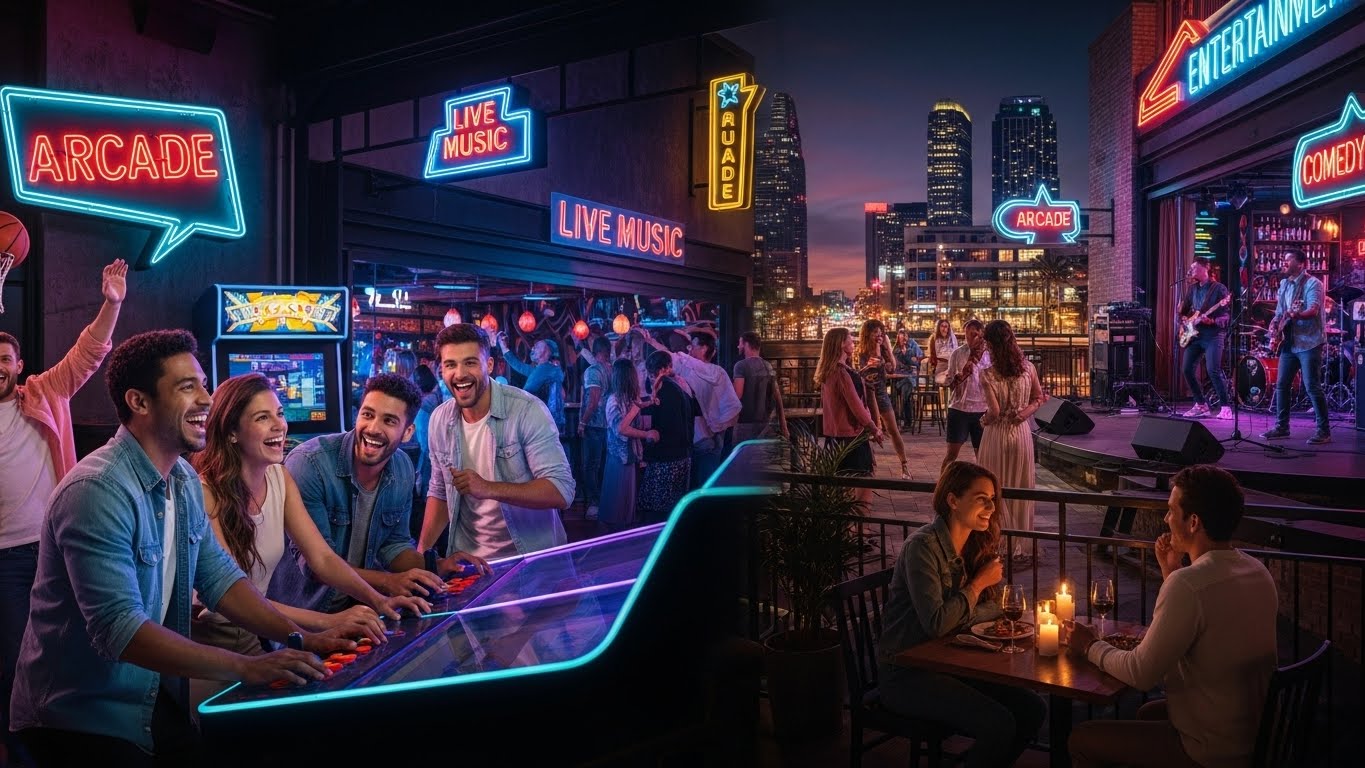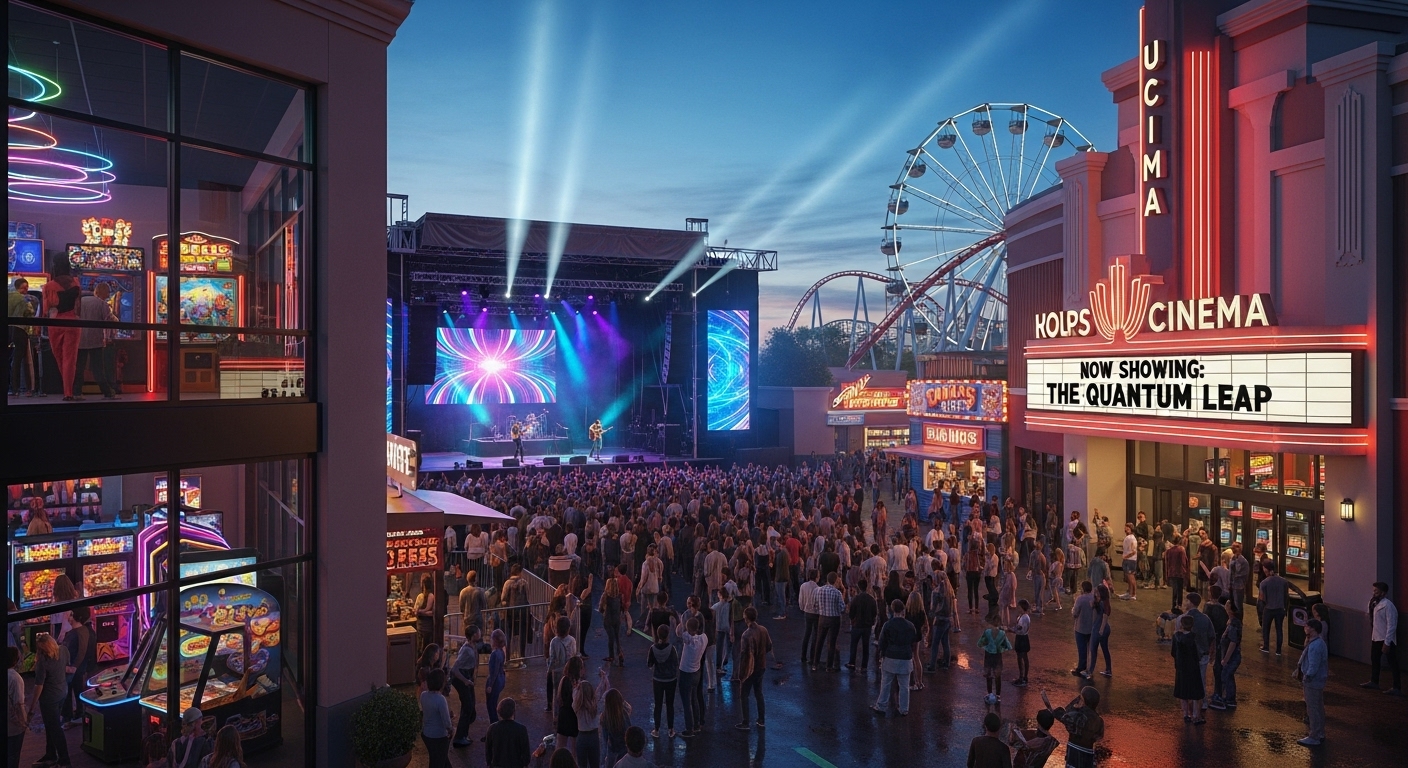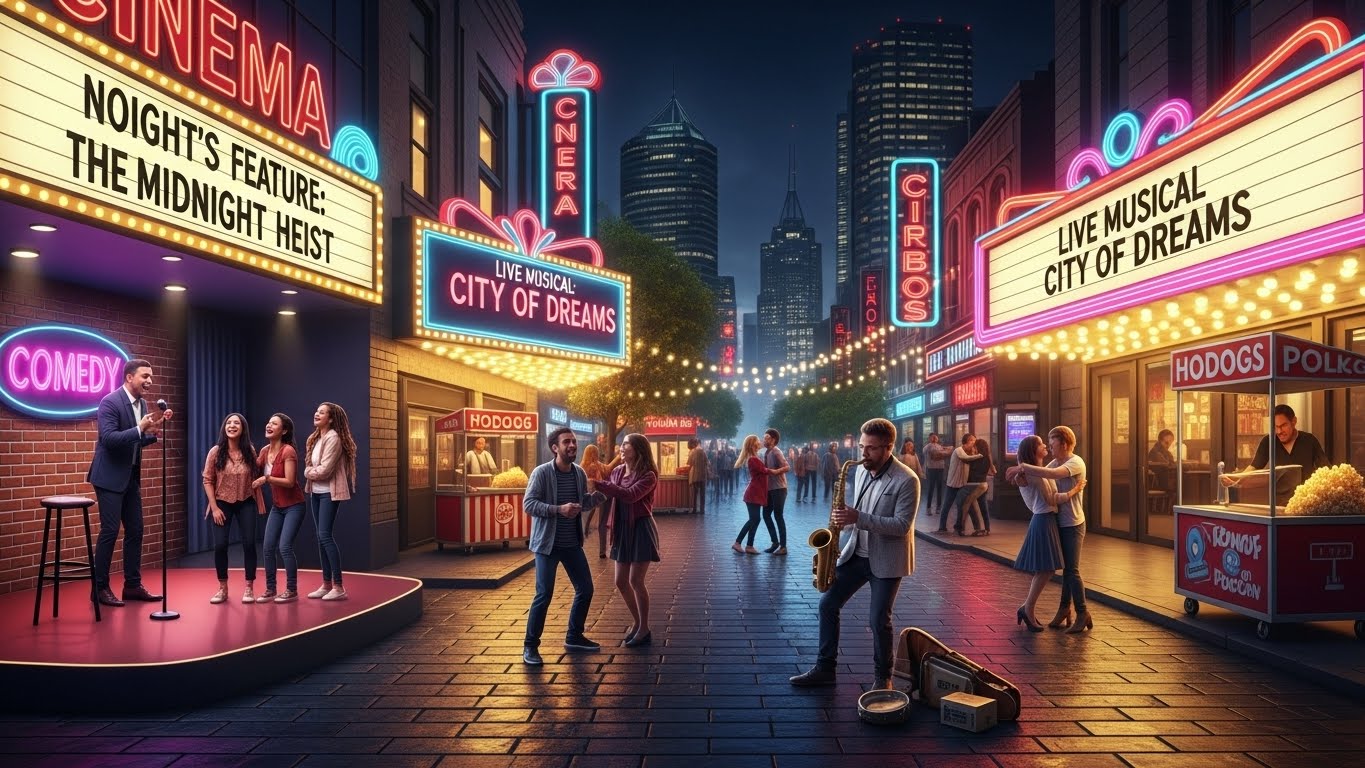
Entertainment has always been an essential part of human life, from the ancient rituals around a campfire to the modern-day movies, music, and video games we consume on our smartphones. The way we consume entertainment has evolved significantly over the years, with new technologies, platforms, and cultural shifts shaping the industry. Today, the entertainment world is more accessible, diverse, and interactive than ever before. In this blog post, we explore the dynamic evolution of entertainment, focusing on how it has shifted from traditional media to the digital age, and where the future of entertainment may be headed.
The Roots of Entertainment: Traditional Media’s Golden Era
For most of the 20th century, entertainment was predominantly shaped by traditional media formats such as television, radio, film, and music. These forms of entertainment served as the main sources of leisure and cultural expression for generations. In the 1950s and 1960s, television became the center of family entertainment, with shows like I Love Lucy, The Ed Sullivan Show, and The Twilight Zone capturing the public’s attention. The power of television as a mass medium was unmatched, and it became the primary way people accessed news, entertainment, and advertising.
Radio, which had dominated the first half of the 20th century, was still a significant player in entertainment during this period. Radio shows, particularly music programs, talk shows, and live broadcasts of events, provided entertainment during long commutes, at home, and in public spaces. Music, too, had its heyday on vinyl records and the burgeoning cassette tape industry, with artists such as The Beatles, Elvis Presley, and Michael Jackson becoming global icons.
The film industry, on the other hand, had already cemented its place as one of the most influential forms of entertainment by the mid-20th century. Hollywood produced iconic films that became cultural touchstones, with stars like Audrey Hepburn, Marlon Brando, and Humphrey Bogart gracing the silver screen. The golden age of cinema, from the 1930s to the 1950s, set the standard for storytelling, directing, and acting. Films were not just entertainment—they were an art form that captivated audiences worldwide.
While these traditional forms of media were popular in their time, the industry was still relatively closed off, controlled by a handful of large corporations, and required significant infrastructure and resources. A shift in how we consume entertainment was on the horizon.
The Digital Revolution: How the Internet Changed Entertainment
The most significant disruption in the entertainment world came with the advent of the internet. In the late 1990s and early 2000s, the internet began to change the way people accessed content. The first step in this transformation was the rise of digital music platforms. The launch of Napster in 1999, a peer-to-peer file-sharing service, allowed users to download and share music freely, disrupting the traditional music industry’s business model.
Soon after, iTunes revolutionized the way people purchased and listened to music. For the first time, consumers could buy individual songs online, bypassing physical CDs entirely. Digital downloads and streaming services, such as Spotify and Apple Music, continued to evolve, with subscriptions offering users access to millions of songs at the touch of a button.
Similarly, the internet transformed film and television. Streaming platforms like Netflix and Hulu began to rise to prominence in the early 2000s, offering viewers the ability to watch movies and TV shows on demand. With the advent of broadband internet and streaming technology, the need for traditional cable or satellite TV subscriptions declined, as people increasingly turned to online platforms to watch their favorite content.
The launch of YouTube in 2005 was another game-changer. It allowed anyone with a camera and an internet connection to upload and share videos, democratizing the process of content creation. From viral videos to DIY tutorials, YouTube opened the doors to a new era of user-generated content. In many ways, it signaled the beginning of the “creator economy,” where individuals could build audiences and monetize their content without relying on traditional media channels.
Social media platforms such as Facebook, Instagram, and Twitter also played a pivotal role in the evolution of entertainment. They allowed people to share their thoughts, experiences, and media with a global audience in real-time. Social media became a platform for celebrities, influencers, and even ordinary users to engage with their followers, creating new forms of entertainment and interaction.
The Rise of On-Demand Content and the Decline of Traditional TV
With the rise of streaming services, the traditional television model began to show cracks. Cable TV subscriptions were in steady decline as more and more consumers cut the cord in favor of more affordable and flexible streaming options. Platforms like Netflix, Amazon Prime Video, and Disney+ now allow viewers to binge-watch entire seasons of shows and movies at their convenience, removing the constraints of traditional programming schedules.
This shift in content consumption has had significant implications for the entertainment industry. Traditional television networks and studios had to adapt, producing original content for streaming services and rethinking how they distribute their programming. Today, it’s not uncommon for a major Hollywood movie or TV show to be released first on a streaming platform, bypassing theatrical releases or TV network premieres.
The on-demand nature of streaming services also led to a boom in the production of original content. Streaming platforms are now investing billions in producing exclusive movies and TV shows to attract subscribers. Netflix, for example, has produced a wide range of original series such as Stranger Things, The Crown, and The Witcher, each of which has amassed massive global audiences.
Another important development in the world of entertainment is the rise of binge-watching culture. With streaming platforms releasing entire seasons of shows at once, viewers now have the freedom to consume entertainment on their own terms. The act of binge-watching has become a cultural phenomenon, with viewers spending entire weekends watching multiple episodes in a single sitting. This new way of watching has drastically changed how TV shows are structured, with many writers and creators crafting shows that are designed to be consumed in one go.
Interactive Entertainment: Gaming, VR, and Augmented Reality
While traditional media and digital streaming have dominated the entertainment landscape, there’s another form of entertainment that’s gained tremendous ground in the past few decades—gaming. Video games have evolved from pixelated screens to highly sophisticated, visually stunning experiences. With advancements in graphics, storytelling, and gameplay mechanics, video games have become a dominant form of entertainment, surpassing even the film industry in terms of global revenue.
Consoles like the PlayStation, Xbox, and Nintendo Switch have allowed players to enjoy a vast array of games, from single-player narratives to immersive multiplayer experiences. The rise of mobile gaming, on the other hand, has made gaming more accessible than ever, with games like Candy Crush and PUBG Mobile reaching millions of players worldwide.
Additionally, virtual reality (VR) and augmented reality (AR) are transforming the way we experience entertainment. VR gaming, which immerses players in fully interactive 3D environments, offers a level of immersion previously unseen in gaming. Headsets like Oculus Rift and HTC Vive allow players to physically interact with the game world, creating a truly unique experience. Meanwhile, AR has blended digital elements with the real world, as seen in games like Pokémon Go and Harry Potter: Wizards Unite.
As VR and AR technologies continue to improve, it’s likely that these platforms will play an even bigger role in entertainment. The possibilities are endless—immersive movies, interactive live events, and virtual tourism could all become commonplace in the coming years.
The Future of Entertainment: AI, Streaming, and Personalization
Looking ahead, the future of entertainment is a blend of technology, creativity, and personalization. Artificial intelligence (AI) is expected to play a significant role in shaping how we consume content. AI algorithms are already used to recommend movies, music, and shows based on our preferences. In the future, AI may help create content itself, with machines generating scripts, music, and even art. While some argue this could take away from the human element of entertainment, others believe it opens up new creative possibilities.
Another trend to watch is the rise of personalized entertainment. As platforms collect vast amounts of data on user preferences and viewing habits, they can tailor content to meet individual tastes. The future could see entertainment experiences that adapt in real-time, with shows, games, and movies that change based on the viewer’s mood, choices, or actions.
Conclusion: A New Era of Entertainment
Entertainment is no longer a one-size-fits-all model. With the digital revolution, entertainment has become more personalized, accessible, and diverse. The shift from traditional media to digital platforms has brought both challenges and opportunities, but one thing is clear: the future of entertainment will continue to evolve in exciting and unexpected ways. Whether it’s through streaming services, interactive gaming, virtual reality, or AI-generated content, the landscape of entertainment will remain dynamic, driven by new technologies and changing consumer preferences. What we consider entertainment today will likely look very different in the years to come, but one thing will remain constant—our desire for stories, experiences, and connections that entertain, inspire, and engage.