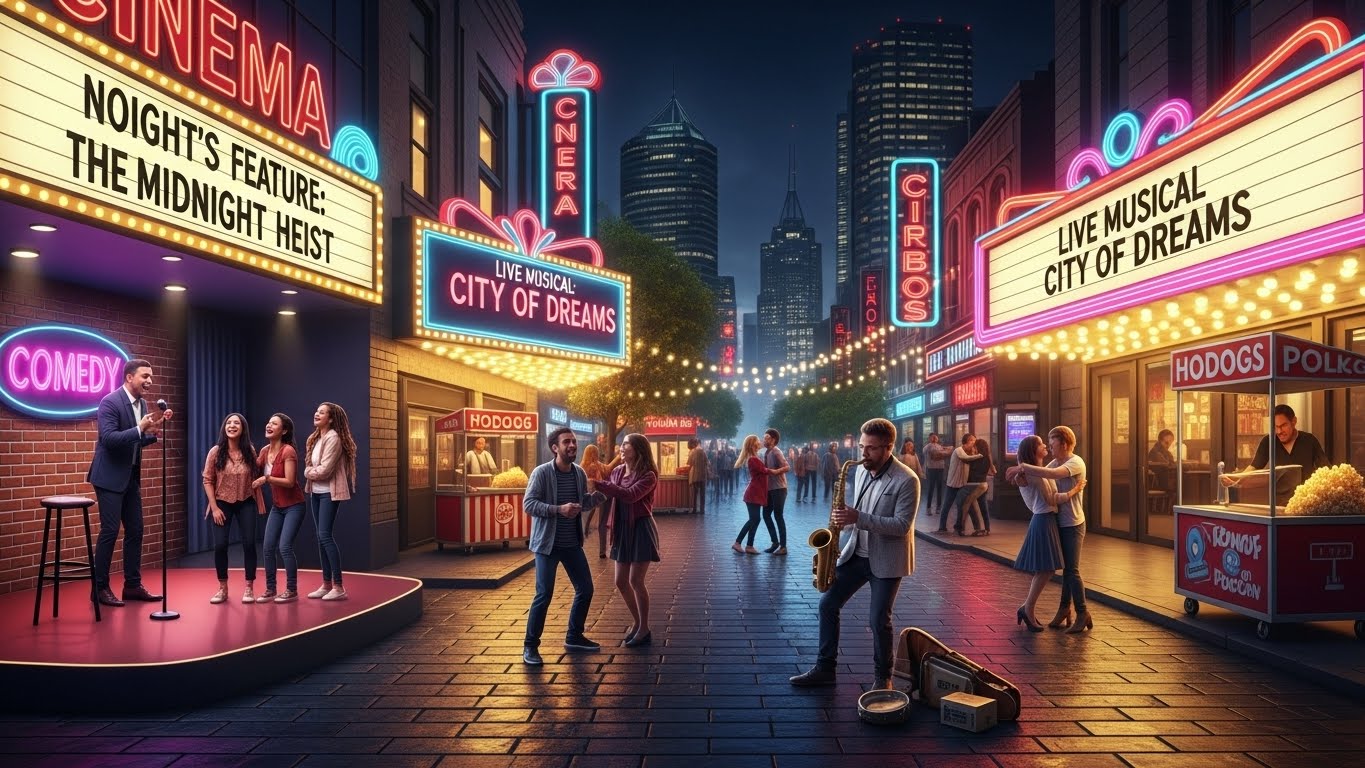
Entertainment has always been an essential part of human life. From ancient storytelling around fires to the immersive worlds of modern cinema, entertainment has evolved dramatically, influencing our lives, shaping cultures, and offering moments of joy and escape. In today’s fast-paced digital era, entertainment is not just a pastime; it is an experience, a reflection of society, and a powerful medium that connects people worldwide. This article explores the fascinating universe of entertainment, from movies and television to music, gaming, and emerging trends, offering a deep dive into how this dynamic industry continues to captivate audiences globally.
The Magic of Movies: From Silver Screen to Streaming
Movies have long been the cornerstone of entertainment, providing audiences with stories that transport them to different worlds. The golden age of cinema introduced iconic stars, unforgettable characters, and epic tales that shaped generations. Classic films from the mid-20th century, such as “Casablanca” and “Gone with the Wind,” demonstrated the power of storytelling and the universal appeal of cinematic artistry.
With technological advancements, movies have transformed in both form and distribution. The rise of digital filmmaking, computer-generated imagery (CGI), and advanced sound design has redefined what is possible on screen. Blockbusters like “Avatar” and “Avengers: Endgame” showcase breathtaking visuals and immersive experiences that captivate global audiences. Beyond Hollywood, international cinema has gained prominence, with industries like Bollywood, Nollywood, and South Korean cinema producing content that resonates worldwide.
Streaming platforms have revolutionized how people consume films. Gone are the days when audiences had to visit theaters to watch a premiere; now, movies are available on-demand in the comfort of homes. This shift has also opened opportunities for independent filmmakers to reach wider audiences, fostering creativity and diversity in storytelling. Film festivals, online premieres, and global collaborations continue to push the boundaries of cinema, making movies an ever-evolving form of entertainment.
Television: The Rise of Binge-Worthy Content
Television has undergone a remarkable transformation over the decades. Traditional TV shows once ruled living rooms, with families gathering to watch scheduled programs. Classics like “Friends,” “The Simpsons,” and “Game of Thrones” became cultural phenomena, creating shared experiences and sparking conversations across generations.
The advent of streaming services changed television forever. Binge-watching became a cultural trend, giving viewers the freedom to consume entire seasons at their own pace. Shows such as “Stranger Things,” “The Crown,” and “Breaking Bad” illustrate how television has matured into a platform for cinematic storytelling, blending complex narratives, high production values, and nuanced character development.
Reality TV and competition-based shows have also become integral to modern entertainment. From singing competitions to cooking challenges, these programs offer a sense of connection and engagement, allowing audiences to relate to contestants and participate through social media interactions. Television’s evolution reflects broader societal changes, highlighting how entertainment adapts to audience preferences while pushing creative boundaries.
Music: The Universal Language
Music is arguably one of the most powerful forms of entertainment, transcending language, culture, and time. It has the ability to evoke emotions, tell stories, and bring people together. From classical symphonies to modern pop hits, music has continually evolved, reflecting the spirit of each era.
The rise of iconic artists like The Beatles, Michael Jackson, and Madonna transformed music into a global phenomenon. Their influence extended beyond melodies, shaping fashion, culture, and societal norms. Today, the music industry is more diverse and accessible than ever. Digital platforms allow artists to reach millions of listeners worldwide, and genres like hip-hop, K-pop, and electronic dance music (EDM) have gained massive international appeal.
Live performances and concerts remain a significant part of the music experience. Festivals such as Coachella, Glastonbury, and Tomorrowland offer immersive experiences that combine music, art, and culture. Virtual concerts and live-streamed performances are also emerging trends, bringing live music to audiences who cannot attend in person. Music continues to evolve, reflecting both technological advancements and cultural shifts, and remains a vital source of entertainment in everyday life.
The Gaming Revolution: Entertainment in the Digital Age
Video games have emerged as one of the most influential forms of modern entertainment. Initially dismissed as a niche hobby, gaming has grown into a multi-billion-dollar industry, captivating millions of players worldwide. Games now offer complex narratives, stunning visuals, and interactive experiences that rival traditional films and television.
The rise of online multiplayer games and esports has redefined social interaction within entertainment. Games like “Fortnite,” “League of Legends,” and “Call of Duty” allow players to connect globally, fostering competitive communities and shared experiences. Esports tournaments, with massive audiences and professional players, have turned gaming into a spectator sport, further solidifying its cultural significance.
Virtual reality (VR) and augmented reality (AR) are pushing the boundaries of gaming entertainment. Immersive experiences like “Half-Life: Alyx” and “Pokémon Go” provide players with interactive worlds that blend reality and fantasy. Gaming’s evolution demonstrates the adaptability of entertainment, offering diverse forms of engagement that cater to both casual players and hardcore enthusiasts.
Celebrity Culture: Icons of Entertainment
Celebrities have always been at the heart of entertainment. Actors, musicians, athletes, and influencers shape public perception, trends, and culture. The fascination with celebrity life reflects society’s desire for inspiration, aspiration, and escapism. Red carpet events, award shows, and exclusive interviews provide audiences with glimpses into the lives of the famous, fueling admiration and curiosity.
Social media has amplified the influence of celebrities, allowing fans to interact directly with their favorite stars. Platforms like Instagram, TikTok, and Twitter offer behind-the-scenes access, personal insights, and viral content that keep audiences engaged. Influencers, in particular, have blurred the lines between entertainment, marketing, and personal branding, creating new avenues for creative expression and audience engagement.
Celebrity culture is not without its controversies, but it undeniably plays a pivotal role in entertainment. From shaping fashion trends to influencing social movements, celebrities remain central figures in the global entertainment landscape.
Comedy and Laughter: The Art of Entertainment
Laughter is one of the simplest yet most profound forms of entertainment. Comedy has evolved from slapstick performances and stand-up routines to satirical shows, sketch comedy, and digital content. Comedians like Charlie Chaplin, Robin Williams, and Dave Chappelle have used humor to reflect societal truths, challenge norms, and connect with audiences on a deeply human level.
In the digital age, comedy has found new platforms through YouTube, TikTok, and social media channels, allowing creators to reach global audiences instantly. Memes, short skits, and viral videos have become modern tools of humor, reflecting the fast-paced consumption of entertainment in today’s world. Comedy’s universality lies in its ability to transcend language and culture, proving that humor is an essential aspect of human connection and enjoyment.
The Influence of Pop Culture
Pop culture encompasses the trends, ideas, and entertainment forms that dominate public imagination. Movies, music, fashion, technology, and social media all contribute to shaping what is considered “popular” at any given time. Pop culture reflects society’s values, fears, and aspirations, providing a mirror through which we can understand ourselves.
Franchises like Marvel, Harry Potter, and Star Wars illustrate how pop culture can create immersive worlds and shared experiences. Merchandising, fan conventions, and online communities allow audiences to engage with content beyond the original medium, creating multi-dimensional entertainment ecosystems. Pop culture’s influence extends to politics, social movements, and lifestyle trends, highlighting the interconnectedness of entertainment and daily life.
Emerging Trends in Entertainment
The entertainment industry is constantly evolving, driven by technological innovation and changing consumer preferences. Artificial intelligence, virtual reality, and blockchain technology are opening new avenues for creativity and engagement. Interactive storytelling, AI-generated music, and virtual influencers are no longer science fiction; they are becoming integral parts of the entertainment landscape.
Personalization is also shaping how audiences consume content. Streaming platforms use algorithms to suggest movies, shows, and music tailored to individual tastes, creating highly customized entertainment experiences. Interactive experiences, such as choose-your-own-adventure narratives and immersive virtual concerts, are redefining the boundaries of engagement, making entertainment more participatory than ever before.
The Social Impact of Entertainment
Entertainment is more than just a source of enjoyment; it has significant social and cultural implications. Movies, television, music, and games influence public opinion, spark conversations, and reflect societal issues. Entertainment can raise awareness about critical topics, from climate change to mental health, while also providing solace and inspiration.
Moreover, entertainment fosters community and connection. Fans of movies, music, and games form communities that transcend geographic boundaries, creating shared identities and collective experiences. The social aspect of entertainment, whether through fan conventions, online forums, or multiplayer games, underscores its power to unite people across cultures and backgrounds.
Conclusion: The Timeless Appeal of Entertainment
Entertainment remains a cornerstone of human experience, offering joy, escape, and connection in an ever-changing world. From the silver screen to streaming platforms, from live concerts to virtual games, the ways we engage with entertainment are constantly evolving. Yet, the essence of entertainment—storytelling, creativity, and emotional engagement—remains timeless.
As technology advances and global cultures intermingle, entertainment will continue to adapt, innovate, and inspire. It reflects our collective imagination, challenges societal norms, and provides a universal language that resonates with people of all ages and backgrounds. In the end, entertainment is more than a pastime; it is a celebration of human creativity, a mirror of our society, and a shared experience that binds us all.