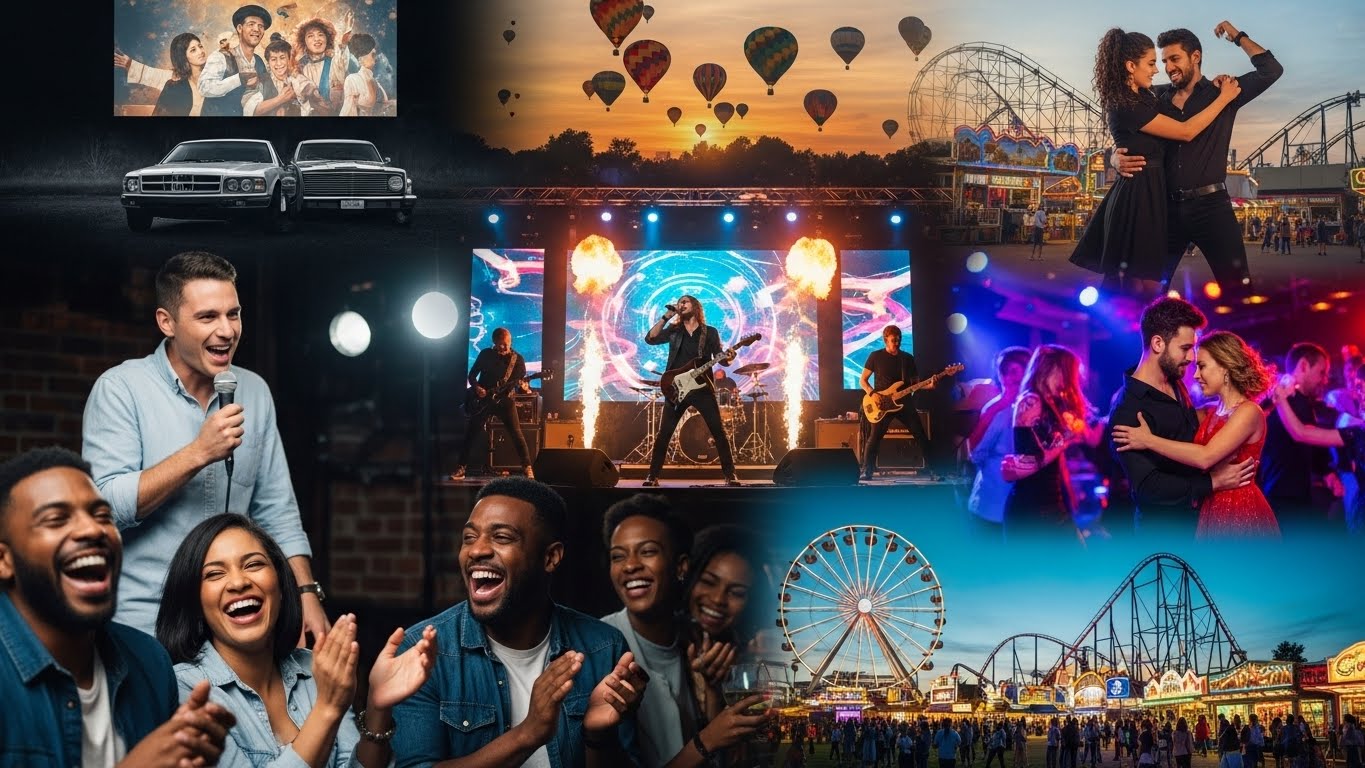
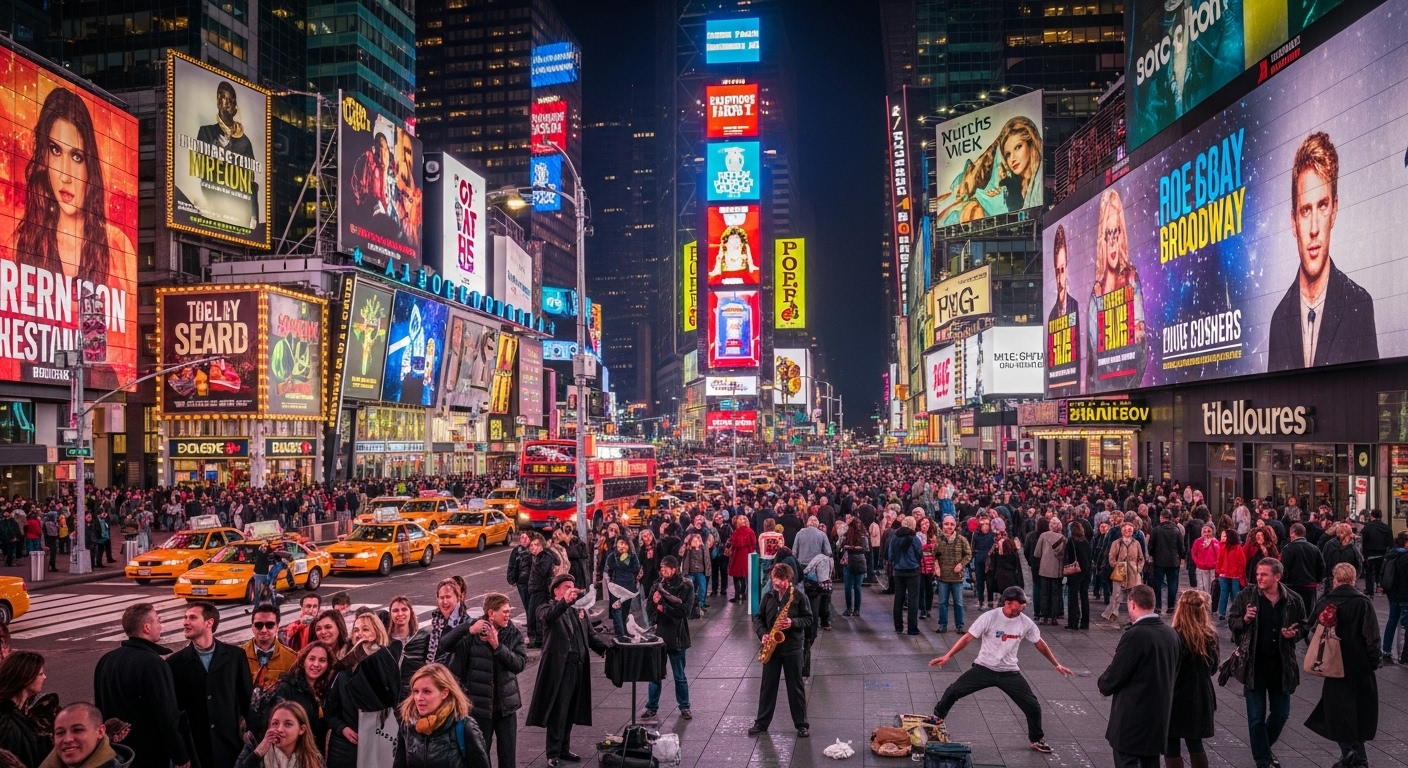
Entertainment is constantly evolving. The way we consume it, the platforms through which we experience it, and the technologies that shape it are all undergoing monumental changes. What once began with simple pleasures like storytelling and live performances has transformed into a sprawling, multifaceted industry that offers limitless possibilities for how we spend our leisure time. This evolution is not only about convenience or variety—it’s about enhancing how we engage with content and how we connect with the world around us. In this blog post, we will explore how the future of entertainment is shaping up, focusing on immersive, interactive experiences and how new technologies are redefining what it means to be entertained.
The Shift From Passive Viewing to Active Participation
For much of the 20th century, entertainment was a passive experience. People sat in front of the television or headed to the movie theater, where they were spectators, absorbing whatever content was provided to them. However, over time, the entertainment experience has gradually become more interactive.
Video games were among the first to offer this shift, inviting players to not just watch but engage with the content. Games like The Legend of Zelda and Grand Theft Auto created entire worlds where players could shape the narrative through their choices and actions. As technology advanced, so did the complexity and depth of these interactive experiences. Virtual reality (VR) and augmented reality (AR) now offer immersive worlds that allow users to experience entertainment in ways that were once confined to science fiction.
VR headsets, such as the Oculus Rift and PlayStation VR, enable users to enter fully realized virtual environments. Whether it’s exploring a fantastical landscape or participating in a live concert, VR blurs the line between reality and entertainment. For instance, VR concerts have allowed fans to attend live performances from their homes, feeling as though they are physically in the crowd. This represents a fundamental shift from simply observing entertainment to being part of it.
Streaming Services: Changing How We Consume Entertainment
The digital revolution has had a profound impact on how we consume entertainment, and nowhere is this more evident than in the rise of streaming platforms. With the advent of services like Netflix, Hulu, Amazon Prime, and Disney+, traditional television and cinema are no longer the sole sources of content. The way we access entertainment has become more democratic and flexible, with platforms offering vast libraries of movies, series, documentaries, and original programming on-demand.
The beauty of streaming lies in its convenience. No longer do viewers have to sit through commercial breaks or follow a rigid schedule. The choice is in the hands of the viewer, who can watch whatever they want, whenever they want, and wherever they are. This shift has not only transformed how we watch movies but has also given rise to new forms of content creation, particularly in the form of binge-worthy series. TV shows now have the freedom to develop more intricate plots and character arcs, allowing for deeper storytelling. The rise of niche genres and international shows also opens up a world of entertainment that might not have made it onto traditional TV networks.
Social Media: Empowering a New Generation of Creators
While streaming services have redefined traditional media consumption, social media has democratized entertainment creation. Platforms like YouTube, Instagram, TikTok, and Twitch have become powerful tools for content creators. A new generation of influencers, vloggers, and performers has emerged, bypassing traditional media channels and directly engaging with audiences.
This shift means that entertainment is no longer just about big-budget productions. Anyone with a smartphone or camera can create and share content, reaching millions of viewers across the globe. The result is a flourishing landscape of creativity where fans are no longer just consumers but also producers. TikTok, for example, has popularized short-form, viral videos that are rapidly reshaping entertainment consumption. These videos often feature trending songs, dances, or memes, offering a more interactive, community-driven form of entertainment.
Social media platforms have also led to the rise of new forms of live entertainment. Twitch, a live-streaming platform originally dedicated to video game broadcasting, has expanded into a hub for all kinds of live content, from talk shows and cooking demonstrations to live concerts and Q&A sessions with celebrities. These real-time interactions are fostering deeper connections between creators and audiences, making entertainment feel more personal and immediate.
The Metaverse: A New Realm for Entertainment
As the digital world continues to evolve, we are beginning to hear more about the “Metaverse”—an interconnected virtual universe where users can interact with each other and digital environments in real-time. This new frontier promises to merge gaming, social media, and entertainment into a cohesive, immersive experience. The concept of the Metaverse is still in its early stages, but tech giants like Meta (formerly Facebook), Microsoft, and Epic Games are pouring resources into building this digital ecosystem.
In the Metaverse, entertainment won’t just be something we consume passively; it will be an interactive, participatory experience. Imagine attending a live concert in a virtual arena, shopping for virtual goods, or collaborating on a creative project with people from around the world—all without ever leaving your home. The possibilities are endless, and as VR and AR technologies continue to improve, we may soon find ourselves living in digital worlds that are just as rich and engaging as the physical one.
Artificial Intelligence: The Future of Content Creation
One of the most exciting developments in entertainment is the integration of artificial intelligence (AI) into the creative process. AI is no longer just a tool for personalization and recommendation algorithms—it’s now being used to generate content itself. From AI-generated music and art to AI-assisted filmmaking, the potential for machines to contribute to entertainment creation is vast.
For instance, AI is already being used to generate realistic deepfake videos, where faces are swapped, and voices are mimicked to create convincing new content. AI can also assist in writing scripts, designing game levels, or even composing music. While this raises ethical questions about creativity and authorship, it also presents exciting opportunities for new kinds of storytelling and interactive experiences. AI-driven games, for example, can adapt their narrative to the actions of players, creating personalized experiences that evolve in real-time.
The Future of Entertainment: Infinite Possibilities
As technology continues to advance, the future of entertainment holds infinite possibilities. The boundaries between the digital and physical worlds are growing increasingly thin, and the way we engage with content will continue to shift toward more immersive, interactive experiences. The entertainment industry is no longer about passive consumption; it’s about creating and participating in experiences that connect people, cultures, and ideas in ways never seen before.
With VR, AR, AI, and the Metaverse on the horizon, entertainment is entering a new era of personalization and immersion. Whether it’s through gaming, streaming, social media, or live virtual experiences, we are moving toward a world where entertainment is no longer just something we watch—it’s something we live and breathe. And as new technologies and platforms continue to emerge, the potential for creativity and connection is boundless.
Conclusion: A Future Shaped by Innovation
The entertainment landscape is undergoing a transformation that is reshaping how we spend our time and engage with the world around us. We’ve moved from passive entertainment to active, immersive participation. Streaming, social media, VR, AI, and the Metaverse are all part of this exciting new era. As we look to the future, it’s clear that entertainment will continue to evolve, offering richer, more diverse, and more interactive experiences. It’s a thrilling time to be both a consumer and creator, as the boundaries of what’s possible in the entertainment world are continually expanding. The future of entertainment is not just about entertainment—it’s about living and experiencing the stories, worlds, and connections that technology is making possible.