Introduction
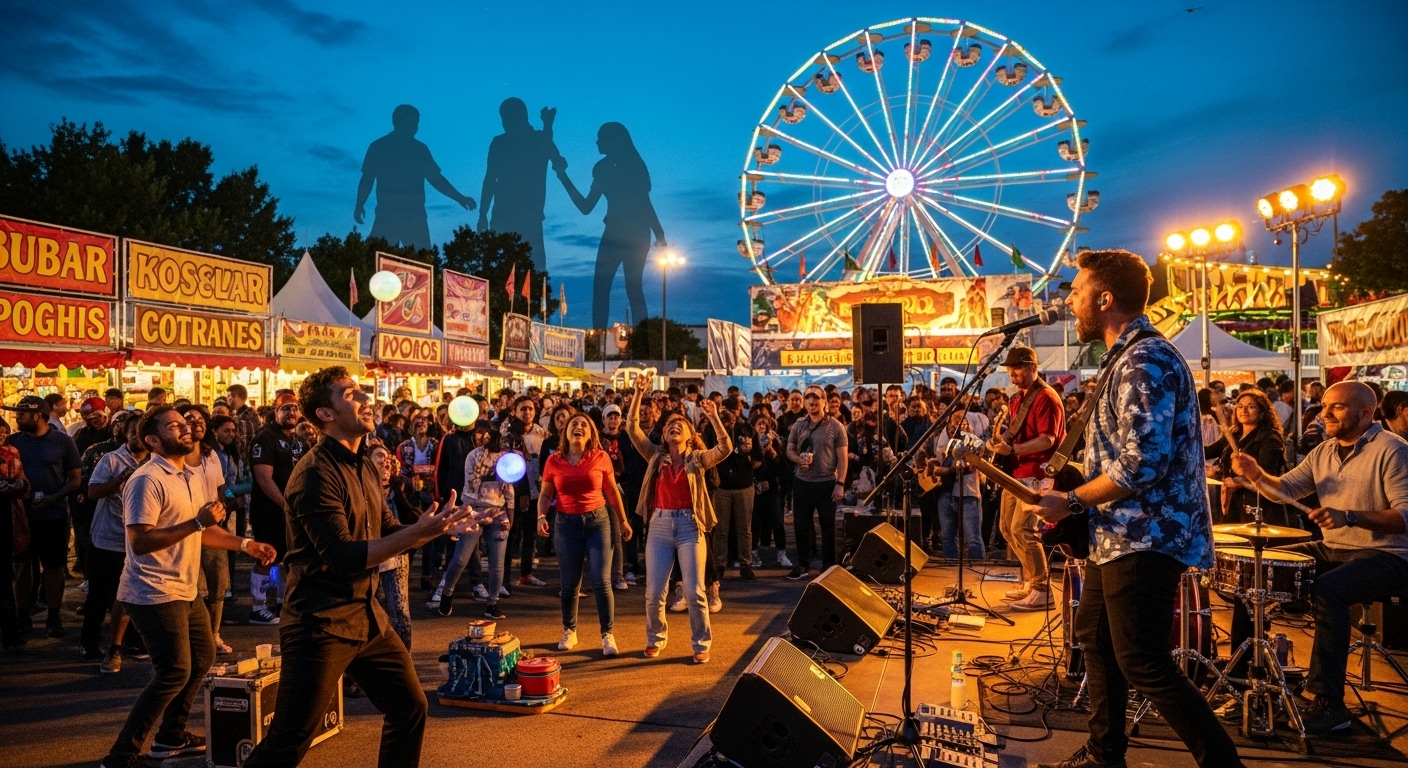
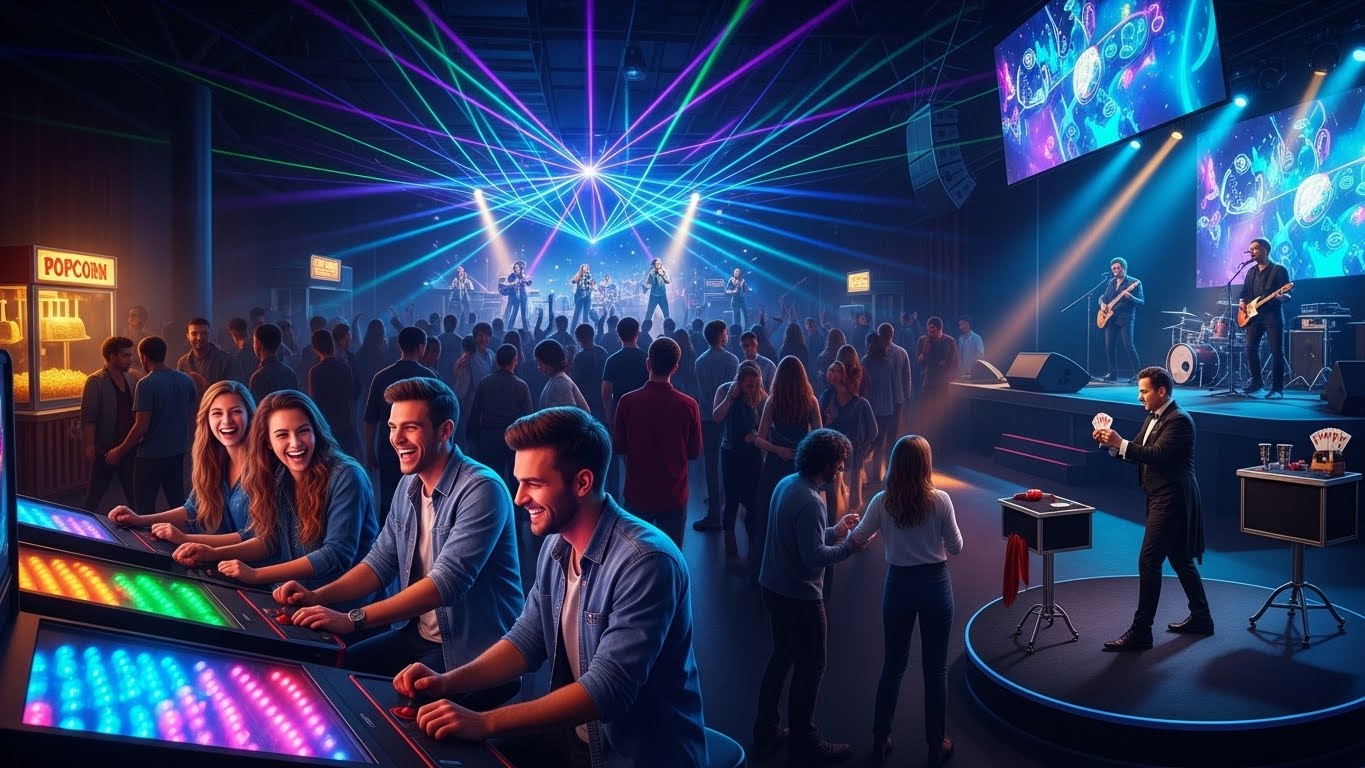
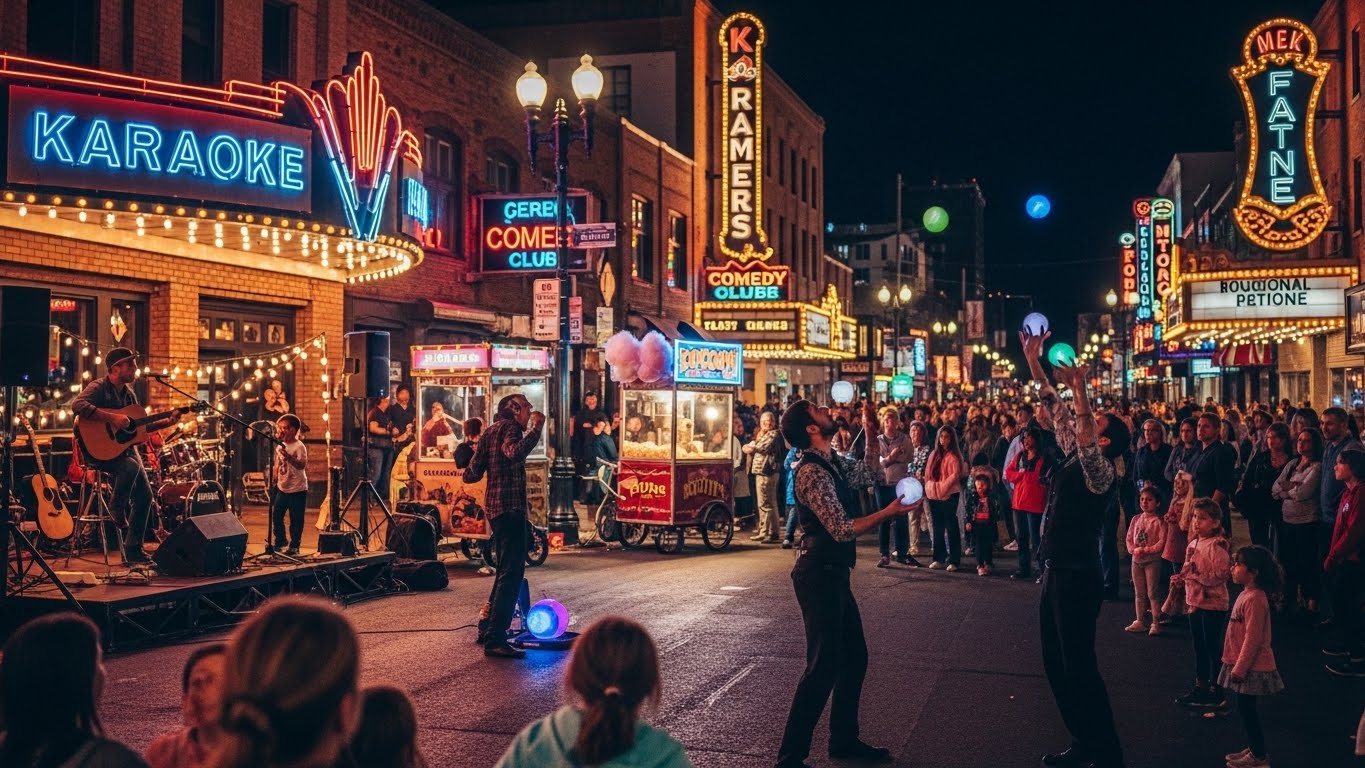
Entertainment has always been an essential part of human life. It brings joy, relaxation, inspiration and connection. From ancient storytelling to today’s vast digital landscape, entertainment has evolved into a powerful cultural force that shapes our daily routines, influences trends and reflects the creativity of our society. In the modern world, entertainment is not limited to one form. It spans movies, music, gaming, sports, social media, art, live performances and countless other mediums. This blog explores how entertainment has grown, why it matters and how it continues to transform the way we experience the world.
The Evolution of Entertainment Over Time
Centuries ago, entertainment was rooted in community gatherings, oral traditions and simple activities that brought people together. Storytellers, musicians and dancers played vital roles in sharing knowledge and strengthening social bonds. As civilizations developed, so did the forms of entertainment. Theatres emerged, followed by printed books, radio, cinema and television.
Each new medium expanded the possibilities of storytelling and performance. Today, entertainment is deeply intertwined with technology. The rise of digital platforms, streaming services and social networks has opened an infinite world of content accessible from anywhere, anytime. This evolution highlights humanity’s ongoing desire for expression, connection and escape.
The Influence of Movies and Television
Movies and television have long been among the most influential forms of entertainment. They create stories that resonate across cultures, spark emotions and bring characters to life in ways no other medium can. The cinematic experience allows viewers to step into different worlds and explore a wide variety of genres, from drama and romance to action, fantasy and mystery.
Television has similarly evolved from scheduled programming to on-demand content. Today, audiences can enjoy entire series at their own pace, discovering stories from different countries and cultures. Movies and TV shows also shape fashion, music, language and social conversations. They are not just entertainment but reflections of societal values, challenges and dreams.
The Power of Music in Everyday Life
Music is one of the most universal and timeless forms of entertainment. It transcends language, age and cultural differences. Whether through soothing melodies, energetic beats or emotional lyrics, music impacts our moods, memories and experiences.
Modern technology has revolutionized how we create, share and enjoy music. Artists can now reach global audiences instantly, and listeners can access millions of songs with a simple search. Music festivals, concerts and live performances continue to bring people together, offering unforgettable experiences. Music remains a constant companion in daily routines, from workouts and travel to celebrations and moments of reflection.
Gaming as a Modern Powerhouse of Entertainment
Gaming has grown from a niche hobby into a major pillar of global entertainment. It combines technology, creativity, storytelling and competition in a way that no other medium can. Modern games offer immersive worlds, interactive experiences and endless opportunities for exploration.
Players can experience adventures, solve puzzles, build virtual communities and collaborate with others worldwide. Esports has turned gaming into a professional career, while mobile games bring entertainment to billions of people. Gaming’s rise shows how entertainment continues to evolve to match technological and cultural changes.
The Role of Social Media in Entertainment
Social media has reshaped what entertainment means in the digital age. It provides a constant stream of content, from short videos and photos to stories and live streams. Social platforms allow anyone to become a creator, sharing their creativity, humor, opinions or skills with a global audience.
Influencers, vloggers and content creators have become significant figures in the entertainment industry. They shape trends, start conversations and introduce new forms of storytelling. Social media also brings fans closer to celebrities, artists and brands, creating interactive relationships that traditional media could never offer. Its impact on entertainment is undeniable, as it blends personal expression with mass communication.
Sports as a Thrilling Form of Entertainment
Sporting events captivate audiences around the world with their excitement, passion and unpredictability. Whether it is football, cricket, basketball, athletics or emerging sports, fans experience a strong emotional connection to their favorite teams and athletes.
Sports bring people together, encouraging teamwork, discipline and perseverance. Stadiums filled with cheering fans create unforgettable atmospheres, while televised matches reach millions instantly. Sports entertainment continues to grow with advanced training, better broadcasting technology and global tournaments that unite diverse cultures. The thrill of competition and the joy of victory make sports one of the most powerful forms of entertainment.
The Magic of Live Performances and Art
Live entertainment such as theatre, dance, stand-up comedy and concerts offers a unique experience that digital content cannot fully replicate. The energy of a live audience, the spontaneity of performance and the connection between performers and viewers create moments that stay in memory forever.
Art, in its many forms, also plays a significant role in entertainment. Paintings, sculptures, photography and digital art inspire creativity and allow individuals to interpret meaning in personal ways. Exhibitions, galleries and public art installations continue to attract audiences seeking beauty, inspiration and cultural exploration.
Reading as a Timeless Escape and Source of Joy
Books remain one of the most beloved forms of entertainment. They offer an escape from reality, transporting readers to different worlds, perspectives and eras. Reading stimulates the imagination, improves focus and enhances knowledge.
Whether it is fiction, biography, poetry or self-help, reading allows individuals to explore topics that resonate with their interests. Despite the rise of digital media, books remain a crucial part of entertainment culture, proving that storytelling never loses its charm.
How Technology Continues to Shape Entertainment
Technology is at the heart of modern entertainment. Advancements in virtual reality, augmented reality, artificial intelligence and interactive media continue to redefine what is possible. Virtual reality allows users to step inside digital worlds, while augmented reality blends virtual elements with real-life environments.
Artificial intelligence helps create smarter characters in games, personalized playlists in music and tailored recommendations in videos. Technology ensures that entertainment keeps evolving, offering more immersive and customized experiences than ever before.
The Social and Emotional Impact of Entertainment
Entertainment is more than a way to pass time. It influences emotions, relationships and mental well-being. Watching a favorite movie can provide comfort after a stressful day. Listening to music can boost motivation. Playing games with friends can strengthen bonds. Attending a live concert or event can create memories that last a lifetime.
Entertainment also helps people cope with challenges by offering escapism, inspiration and emotional relief. It fosters creativity, stimulates imagination and encourages personal expression. Its impact is profound, shaping how we think, feel and interact with the world.
The Business of Entertainment and Global Trends
The entertainment industry is a massive global force that generates jobs, opportunities and economic growth. From film studios and music labels to gaming companies and sports organizations, the sector continues to expand as consumer demand increases.
Trends such as international collaborations, diverse representation and digital-first releases are shaping the future of entertainment. Audiences now seek authenticity, inclusivity and high-quality storytelling. The industry responds by exploring new platforms, genres and experiences.
The Future of Entertainment
The future promises even more innovative and immersive forms of entertainment. Virtual worlds, holographic performances, AI-generated content and interactive storytelling are just a few possibilities. As technology improves, entertainment will continue blending the real and digital worlds in exciting ways.
Viewers may soon experience personalized narratives that adapt to their choices, concerts featuring digital avatars or sports events with enhanced virtual participation. The future of entertainment is limitless, driven by creativity and curiosity.
Conclusion
Entertainment is an ever-growing spectrum that enriches our lives in countless ways. It brings joy, sparks imagination and connects people across cultures and generations. Whether through music, movies, sports, gaming, art, social media or live performances, entertainment reflects the vibrant diversity of human creativity. As it continues to evolve with technology and cultural shifts, one thing remains constant: entertainment will always be a vital part of our daily lives, offering inspiration, excitement and a deeper connection to the world around us.