Introduction: The Essence of Entertainment
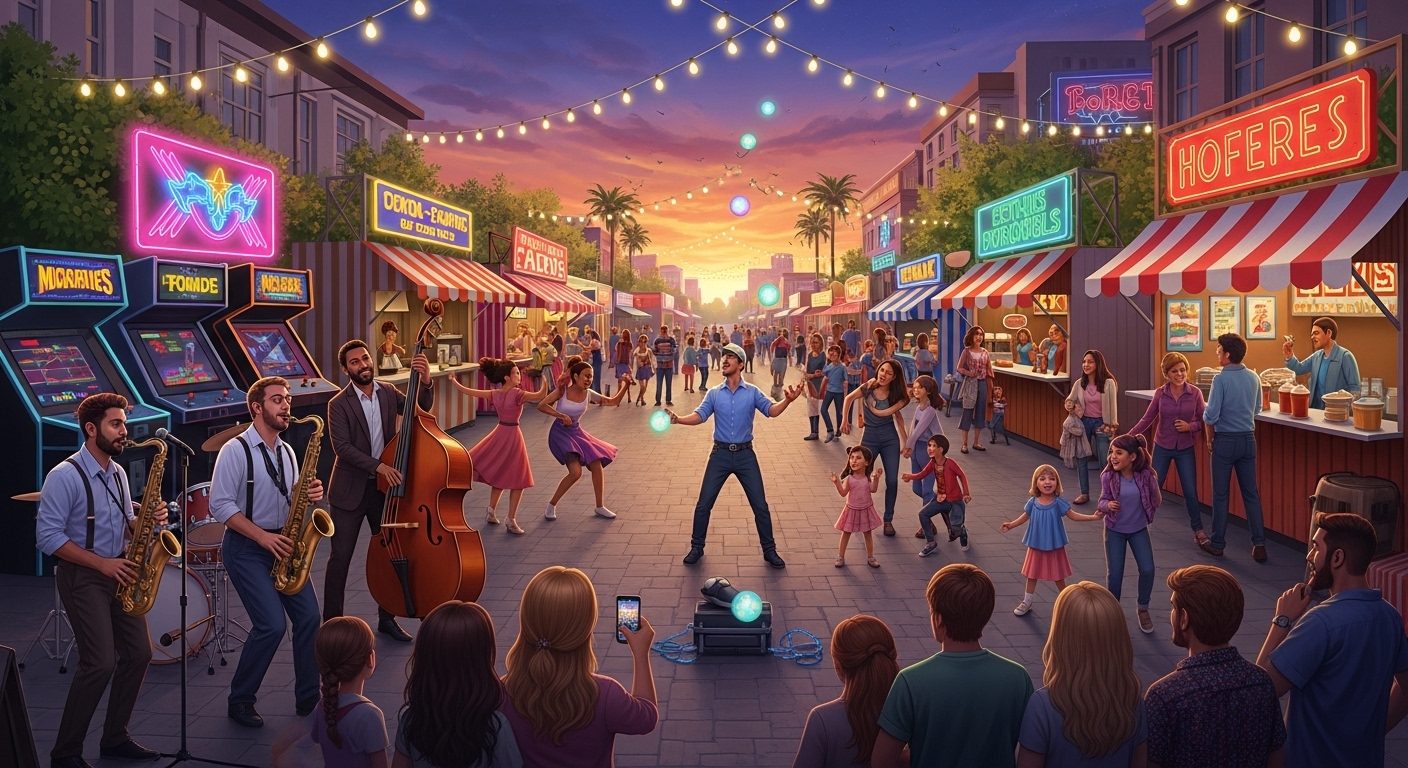
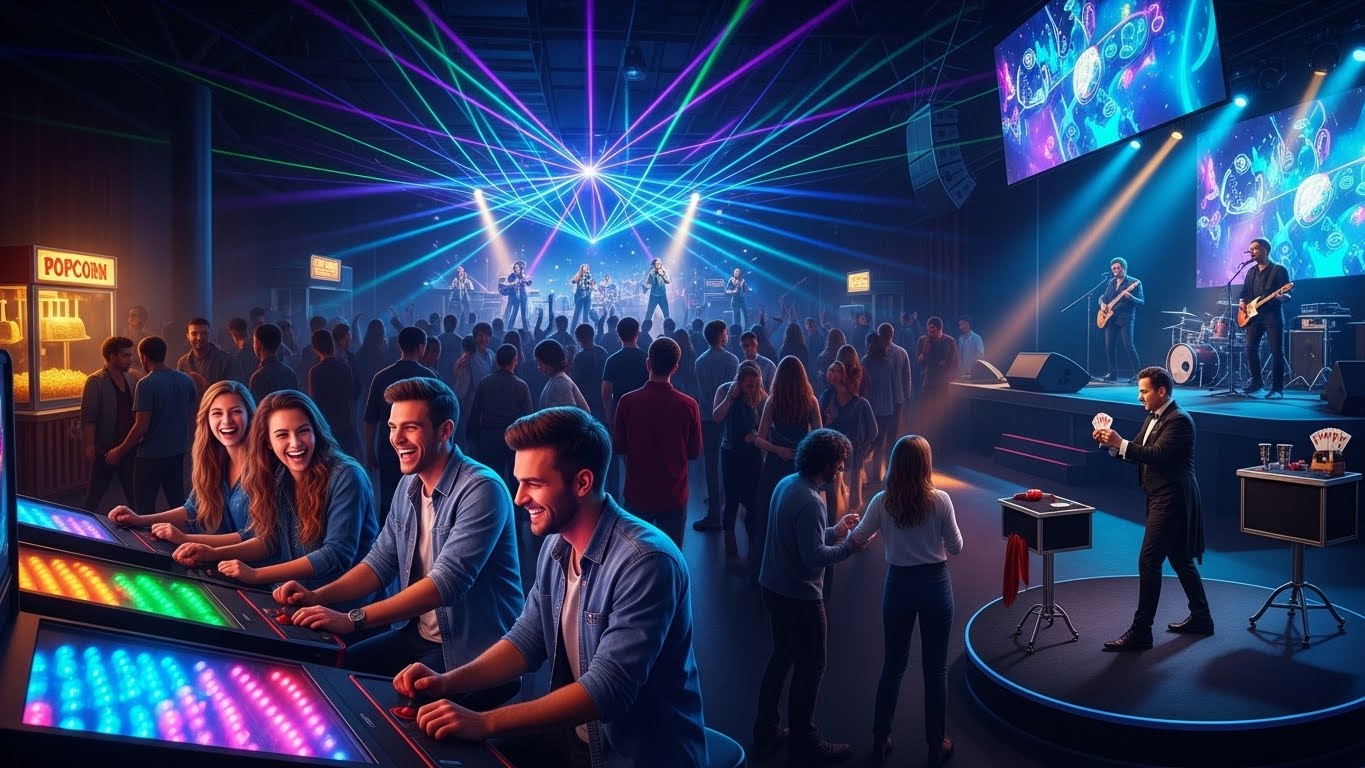
Entertainment is more than just a pastime; it is a reflection of human creativity, culture, and social connection. Throughout history, humans have sought ways to amuse themselves, tell stories, and celebrate life, giving birth to diverse forms of entertainment. Today, entertainment permeates almost every aspect of our lives—from movies and music to live performances, gaming, and digital media. It shapes culture, influences trends, and provides both emotional and intellectual engagement.
In a fast-paced world, entertainment has also become a tool for relaxation, education, and social interaction. This blog explores the evolution of entertainment, its various forms, the role of technology, and the profound impact it has on individuals and society.
The Historical Journey of Entertainment
Entertainment has been an essential part of human culture for centuries. In ancient societies, storytelling, music, dance, and communal games were primary forms of amusement. These activities were not only sources of fun but also served as a means to pass down traditions, teach moral lessons, and strengthen social bonds.
Theater emerged as a formalized form of entertainment in ancient Greece and Rome, combining performance, music, and narrative. Similarly, medieval festivals, fairs, and jousting tournaments offered amusement while reinforcing community identity and values. The invention of the printing press in the 15th century expanded access to literature and poetry, providing a new medium for entertainment and intellectual stimulation.
With the advent of cinema, radio, and television, entertainment reached wider audiences than ever before. Each new technological breakthrough allowed stories to be shared across distances, connecting people to experiences they might never encounter in their daily lives.
Cinema: The Magic of Moving Pictures
Cinema is one of the most powerful and influential forms of modern entertainment. It combines storytelling, visuals, music, and performance to create immersive experiences that captivate audiences worldwide. From silent films to CGI-heavy blockbusters, movies have the power to evoke emotions, inspire creativity, and spark social discussions.
Films serve as a mirror to society, reflecting cultural trends, historical events, and human emotions. Genres such as drama, comedy, thriller, science fiction, and animation cater to a wide array of tastes, allowing viewers to explore different perspectives. The storytelling aspect of cinema has also made it an effective educational tool, providing insights into history, science, psychology, and diverse cultures.
The rise of digital cinema and streaming platforms has further democratized access to films. Viewers can now enjoy high-quality entertainment at home, choosing content that aligns with their preferences, schedules, and cultural interests.
Music: The Universal Connector
Music is a timeless form of entertainment that transcends language, culture, and geography. From ancient chants and classical compositions to contemporary pop, jazz, hip-hop, and electronic music, it connects people emotionally and socially. Music accompanies celebrations, rituals, and daily life, offering comfort, excitement, and inspiration.
Live performances, concerts, and music festivals create shared experiences where audiences engage directly with performers and each other. Music also plays a significant role in movies, television, and video games, enhancing narratives and emotional impact. Digital platforms have expanded access to music globally, allowing artists to reach diverse audiences and listeners to explore new genres effortlessly.
Theatre and Live Performances: The Art of Presence
Theater and live performances remain a unique and intimate form of entertainment. Unlike recorded media, live shows provide an immediate connection between performers and the audience, creating an experience that is both immersive and ephemeral.
Theater often tackles social, political, and emotional themes, challenging audiences to think critically while being entertained. Musical performances, dance recitals, and circus acts showcase human skill, creativity, and artistry. The shared energy between performers and viewers fosters a sense of community and collective participation, making live entertainment a deeply impactful experience.
Gaming: Interactive Entertainment for a New Generation
Gaming has evolved into one of the most dominant forms of contemporary entertainment. Video games combine storytelling, strategy, competition, and exploration, allowing players to actively shape their experiences rather than passively observe them.
Modern games range from casual mobile titles to complex strategy games and immersive role-playing adventures. Multiplayer platforms enable social interaction, collaboration, and global competition. eSports tournaments have elevated gaming to professional levels, where players train rigorously, compete internationally, and attract millions of viewers.
Beyond entertainment, gaming offers cognitive benefits. Strategy games enhance problem-solving skills, simulation games teach real-world concepts, and action games improve coordination and reaction times. Emerging technologies like virtual reality and augmented reality further blur the line between the digital and physical worlds, creating experiences that are immersive and unforgettable.
Television and Digital Streaming: Convenience Meets Creativity
Television transformed entertainment by bringing stories, news, and live events directly into homes. With serialized programming, live sports, reality shows, and talk shows, television created shared cultural experiences and influenced social trends.
The rise of digital streaming platforms has revolutionized how audiences consume content. On-demand services allow viewers to watch series, films, documentaries, and exclusive content anytime, anywhere. This flexibility has changed viewing habits, encouraged binge-watching, and enabled creators to experiment with formats and genres.
Digital platforms also promote global accessibility, allowing audiences to engage with entertainment from different cultures and regions. This cross-cultural exposure enhances understanding, creativity, and appreciation for diversity in storytelling and performance.
Sports: The Thrill of Competition
Sports are a form of entertainment that combines physical skill, strategy, and spectacle. Spectators are drawn to the excitement of competition, the unpredictability of outcomes, and the mastery of athletes.
From local matches to international tournaments, sports create communal experiences where fans celebrate victories, endure losses, and share moments of joy. Major sporting events like the Olympics, World Cup, and professional leagues attract massive audiences, both in person and through broadcasts.
Sports entertainment extends beyond the games themselves, encompassing fan engagement, commentary, analysis, and social gatherings. It teaches teamwork, perseverance, and sportsmanship while providing thrill and excitement to millions worldwide.
The Role of Technology in Entertainment
Technology has fundamentally reshaped entertainment across all forms. High-speed internet, smartphones, virtual reality, augmented reality, artificial intelligence, and advanced graphics have expanded the possibilities of storytelling, interactivity, and accessibility.
Digital effects in movies, immersive sound design in music, and AI-driven experiences in gaming enhance audience engagement. Streaming platforms, live broadcasting, and social media allow creators to reach global audiences instantly, while users can participate, share feedback, and even contribute content.
Technology has not only improved the quality of entertainment but also democratized it. Independent creators, small studios, and emerging artists now have tools to produce and distribute high-quality content to audiences worldwide, challenging traditional industry norms.
Cultural and Social Impact of Entertainment
Entertainment is a mirror of society, reflecting values, trends, and social issues. Movies, music, games, and live performances often address themes like identity, equality, social justice, and human emotion. They shape public discourse, influence perceptions, and inspire change.
Global entertainment fosters cultural exchange, allowing people to experience stories, traditions, and artistic expressions from diverse regions. Entertainment can promote empathy, creativity, and understanding while preserving cultural heritage.
It also serves as a tool for relaxation, stress relief, and emotional connection, providing balance in a fast-paced world. By engaging audiences intellectually, emotionally, and socially, entertainment enriches lives in countless ways.
Entertainment as Education
Entertainment can be educational, offering insights and knowledge in engaging formats. Documentaries, educational games, historical films, and theatrical performances provide information while maintaining engagement.
Gamification integrates play and learning, motivating students and enhancing retention. Storytelling in media introduces viewers to new cultures, philosophies, and historical perspectives. Even entertainment primarily designed for leisure can spark curiosity, critical thinking, and creative problem-solving.
By blending enjoyment with learning, entertainment becomes a powerful tool for personal growth and intellectual development.
The Future of Entertainment
The future of entertainment promises greater interactivity, personalization, and immersion. Virtual reality, augmented reality, and artificial intelligence will redefine how audiences engage with stories and experiences.
Cross-platform media will enable seamless interaction across devices, while global connectivity will allow creators and audiences to collaborate across borders. Personalized content recommendations, interactive storytelling, and immersive environments will enhance engagement and emotional resonance.
Inclusivity and representation will continue to improve, ensuring that entertainment resonates with diverse audiences worldwide. Hybrid forms of entertainment, combining gaming, cinema, music, and live performances, will create innovative experiences that push the boundaries of creativity and technology.
Conclusion: Entertainment as a Reflection of Humanity
Entertainment is more than leisure; it is a vital reflection of human creativity, culture, and emotion. It connects people, inspires imagination, and shapes society. From ancient storytelling and live performances to modern gaming and digital media, entertainment has continuously evolved, reflecting changes in technology, culture, and audience preferences.
By engaging minds and emotions, entertainment fosters creativity, empathy, and understanding. It educates, inspires, and brings communities together. As technology advances and new forms of media emerge, entertainment will continue to evolve, offering experiences that captivate, inform, and enrich lives across generations.
In essence, entertainment is a universal expression of human ingenuity, a bridge between people and cultures, and a testament to our enduring desire for connection, creativity, and joy.