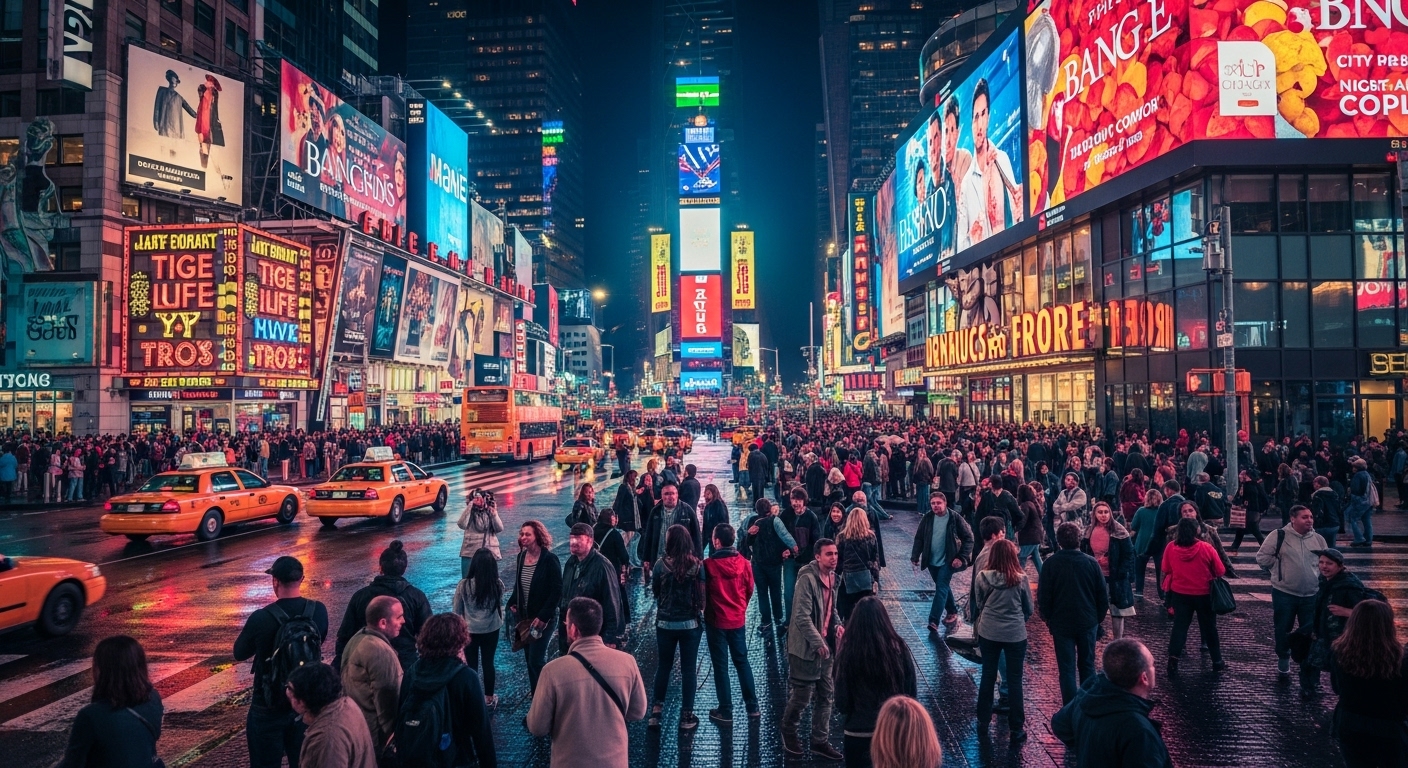
Entertainment has always been the heart of human existence. From the earliest days of storytelling around a campfire to the modern world of streaming services, concerts, and virtual reality experiences, entertainment remains the universal language that brings people together. It captures emotions, builds communities, and inspires dreams. In this ever-evolving world, entertainment is more than just a way to pass the time; it’s an art, a business, and a reflection of society itself.
The Essence of Entertainment
At its core, entertainment is about engagement. It’s the act of captivating attention and sparking emotions through various forms. Whether it’s the laughter from a comedy show, the thrill of a blockbuster movie, or the awe of a live performance, entertainment touches every corner of human feeling. People seek it for comfort, excitement, education, and even escape. It serves as both a mirror and a window — a mirror that reflects who we are and a window that shows us new possibilities.
The beauty of entertainment lies in its diversity. There’s something for everyone, regardless of age, culture, or background. For some, entertainment means watching a sports match with friends; for others, it’s diving into a gripping novel or dancing to their favorite song. The forms may differ, but the purpose remains the same: to make life brighter and more meaningful.
The Evolution of Entertainment
The journey of entertainment through time is nothing short of fascinating. Ancient civilizations found joy in music, drama, and storytelling. Greek tragedies and Roman gladiator games were early examples of how societies used performance to express their values and emotions. With each passing era, entertainment transformed alongside humanity.
The invention of the printing press opened the door to literature and mass communication. Later, the birth of cinema in the late 19th century revolutionized the way people experienced stories. Silent films gave way to talkies, black-and-white screens turned colorful, and soon the world was captivated by the magic of Hollywood.
The television era brought entertainment into homes, creating shared moments that defined generations. Families would gather around the TV set to watch news, shows, and special events. Then came the internet, which changed everything once again. Today, digital platforms allow anyone with a phone or computer to access movies, music, games, and live events instantly. The rise of social media has also given birth to a new kind of entertainment — one created by everyday people who share their creativity online.
The Role of Music in Entertainment
Music is one of the oldest and most powerful forms of entertainment. It has the ability to stir emotions, trigger memories, and connect people across the globe. From classical symphonies to pop hits, music is universal. It transcends language barriers and cultural differences, becoming a shared human experience.
In ancient times, music was an integral part of rituals and celebrations. Over the centuries, it evolved into countless genres — each reflecting different moods, traditions, and eras. Jazz, rock, pop, hip-hop, and electronic music have all left their mark on history. Today’s music scene is more diverse than ever, blending styles and cultures to create sounds that appeal to millions.
Technology has also changed how we enjoy music. Streaming platforms and digital production tools have made it easier for artists to reach global audiences. Listeners can discover new tracks in seconds, creating a constant cycle of creativity and discovery. Music videos, live concerts, and festivals further enhance the entertainment experience, turning sound into a spectacle of emotion and energy.
Cinema: The Magic of Motion Pictures
Few things capture the imagination like movies. Cinema has a special place in entertainment because it combines multiple art forms — storytelling, acting, music, and visual design — into one immersive experience. A well-made film can make audiences laugh, cry, or think deeply about life. It can inspire, challenge, or simply provide a few hours of escape.
The film industry has grown from small, local productions to massive global enterprises. Hollywood may be the epicenter of filmmaking, but international cinema has also flourished, offering stories from every corner of the world. Bollywood in India, Nollywood in Nigeria, and the Korean film industry have proven that great storytelling knows no boundaries.
Movies are not just about entertainment; they’re about identity and emotion. They allow people to see themselves reflected on screen and to understand others’ experiences. With the rise of streaming services, viewers now have endless choices, and filmmakers have new ways to reach audiences. The cinematic experience continues to evolve, yet the magic remains timeless.
The Digital Revolution and Streaming Culture
The arrival of the digital age transformed entertainment forever. Gone are the days of waiting for a TV show to air at a specific time or buying physical albums. Now, with just a click, people can stream movies, series, and music anytime, anywhere. This shift gave birth to a new culture of convenience and choice.
Streaming platforms have become a part of everyday life. They offer vast libraries of content, personalized recommendations, and instant access to global media. Viewers can binge-watch entire seasons or explore niche genres that were once hard to find. This has also changed how content is created — shorter episodes, interactive stories, and even live streams are designed to keep audiences engaged.
However, this convenience comes with challenges. With so much content available, it can be overwhelming to choose what to watch. The competition among platforms has also intensified, leading to a constant race for original and exclusive content. Yet, one thing is clear: the digital revolution has democratized entertainment, giving both creators and audiences more power than ever before.
Gaming: The New Frontier of Entertainment
Video games have emerged as one of the most dynamic and influential forms of entertainment. What began as simple arcade games has evolved into complex, interactive worlds that rival movies in storytelling and graphics. Gaming is no longer just a pastime; it’s a global industry worth billions, with millions of passionate players around the world.
Games provide a unique kind of engagement — one that allows players to become part of the story. They offer challenges, creativity, and connection. Multiplayer games have turned into virtual communities where people collaborate, compete, and form friendships. Esports, or professional gaming, has taken this to another level, with tournaments filling stadiums and drawing online audiences in the millions.
The rise of virtual reality and augmented reality has made gaming even more immersive. Players can now step into their favorite worlds and interact with them in ways never before possible. As technology continues to advance, gaming is set to redefine the future of entertainment.
The Power of Live Performance
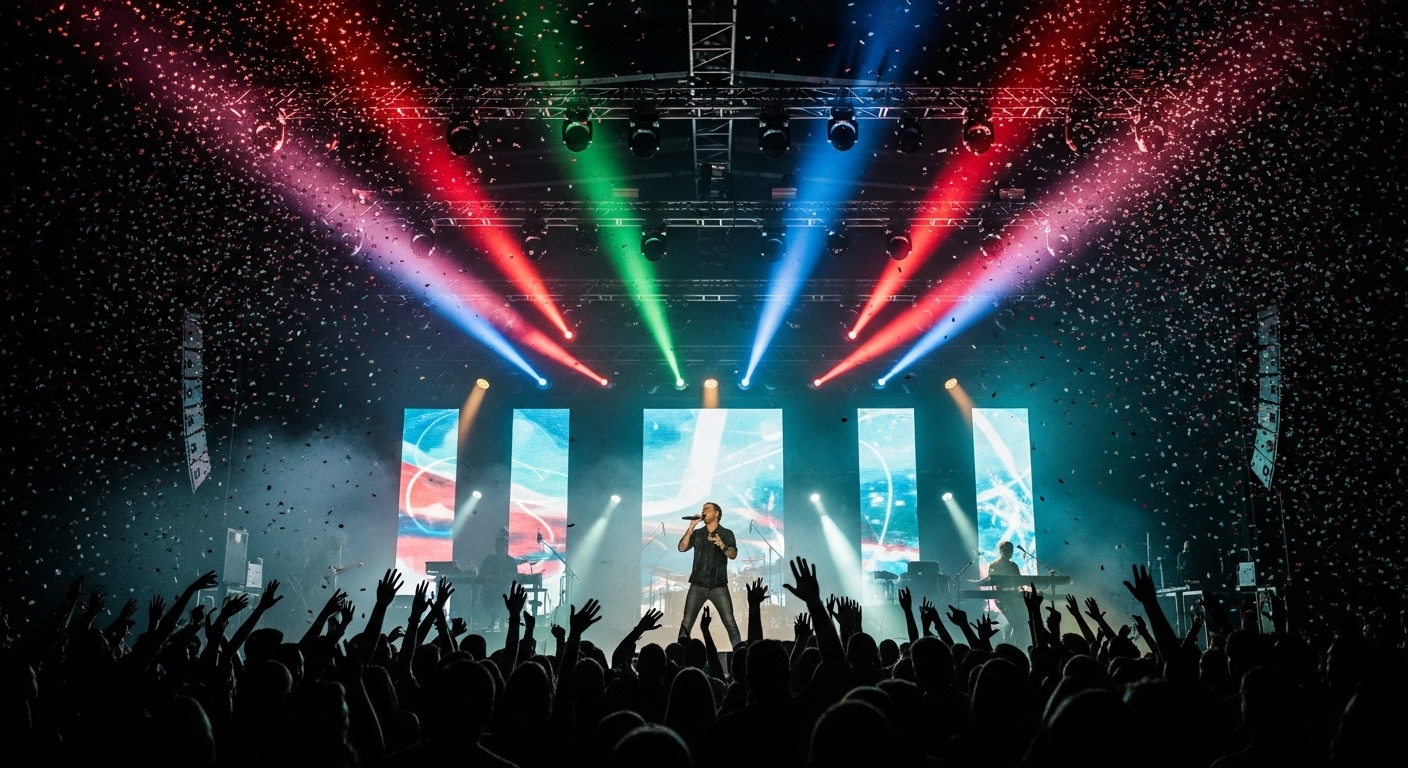
While digital entertainment dominates much of modern life, live performances continue to hold a special charm. There’s something magical about being part of a crowd, feeling the energy of a concert, play, or sporting event. The shared experience creates a connection between performers and audiences that can’t be replicated through a screen.
Theatre, in particular, remains a powerful form of entertainment. From classic plays to modern productions, it combines storytelling, acting, and music in real time. Similarly, live music concerts allow fans to experience their favorite artists up close, creating unforgettable memories. Sporting events also fall into this category — they bring people together in moments of triumph, suspense, and celebration.
Even in an increasingly digital world, the demand for live entertainment continues to grow. Festivals, stand-up comedy shows, and cultural events remind us that human connection is at the heart of true entertainment.
The Influence of Celebrities and Social Media
In today’s world, celebrities play a major role in shaping entertainment. Actors, musicians, athletes, and influencers all contribute to the ever-changing landscape of pop culture. Their lives, opinions, and creative works influence millions of fans around the world.
Social media has redefined fame. Platforms like Instagram, TikTok, and YouTube allow anyone to become a creator and share their talents. This has blurred the line between professional and amateur entertainment, giving rise to a new generation of internet stars. These platforms have also made fans more connected to their favorite entertainers, offering behind-the-scenes glimpses and real-time interaction.
However, the spotlight also comes with pressure. The constant demand for attention and perfection can be challenging. Yet, despite the ups and downs, the connection between fans and entertainers remains one of the most fascinating aspects of modern culture.
Entertainment as an Escape and Expression
One of the most powerful roles of entertainment is its ability to provide escape. Life can be stressful and unpredictable, and entertainment offers a temporary refuge. Whether it’s watching a comedy, reading a fantasy novel, or playing a game, people use entertainment to recharge and refresh their minds.
At the same time, entertainment serves as a form of expression. It gives voice to ideas, emotions, and experiences that might otherwise remain unheard. Artists, writers, and performers use their craft to explore themes of love, loss, identity, and hope. In doing so, they help audiences understand themselves and the world around them better.
The Business of Entertainment
Behind the glamour and creativity lies a massive industry. Entertainment is one of the world’s most profitable sectors, spanning film, music, gaming, sports, and digital media. Production studios, record labels, streaming services, and event organizers all play a role in shaping what audiences consume.
Marketing, branding, and innovation are key to success in this field. The rise of artificial intelligence and data analytics has allowed companies to better understand viewer preferences and predict trends. Meanwhile, independent creators are finding success by building their own platforms and fan bases. The industry continues to grow, driven by technology and the timeless human need for enjoyment.
The Future of Entertainment
The future of entertainment looks more immersive, interactive, and inclusive than ever. Virtual and augmented reality will blur the line between imagination and reality. Artificial intelligence will create new forms of storytelling tailored to individual viewers. The boundaries between different types of entertainment — film, gaming, music, and art — will continue to fade, giving rise to hybrid experiences that are yet to be imagined.
Sustainability and diversity will also shape the next era of entertainment. Audiences are demanding more authentic stories that represent a variety of voices and cultures. Technology will make creation more accessible, empowering artists from all walks of life.
In the end, no matter how advanced entertainment becomes, its purpose will remain the same — to bring joy, connection, and inspiration to people everywhere.
Conclusion
Entertainment is more than a pastime; it’s a reflection of human creativity and emotion. It evolves with time, adapts to technology, and continues to captivate hearts across generations. From music to movies, games to live performances, it shapes our culture and connects us in ways words alone cannot.
As long as people dream, create, and share, the world of entertainment will never cease to amaze. It is the heartbeat of joy, the rhythm of imagination, and the endless celebration of life itself.