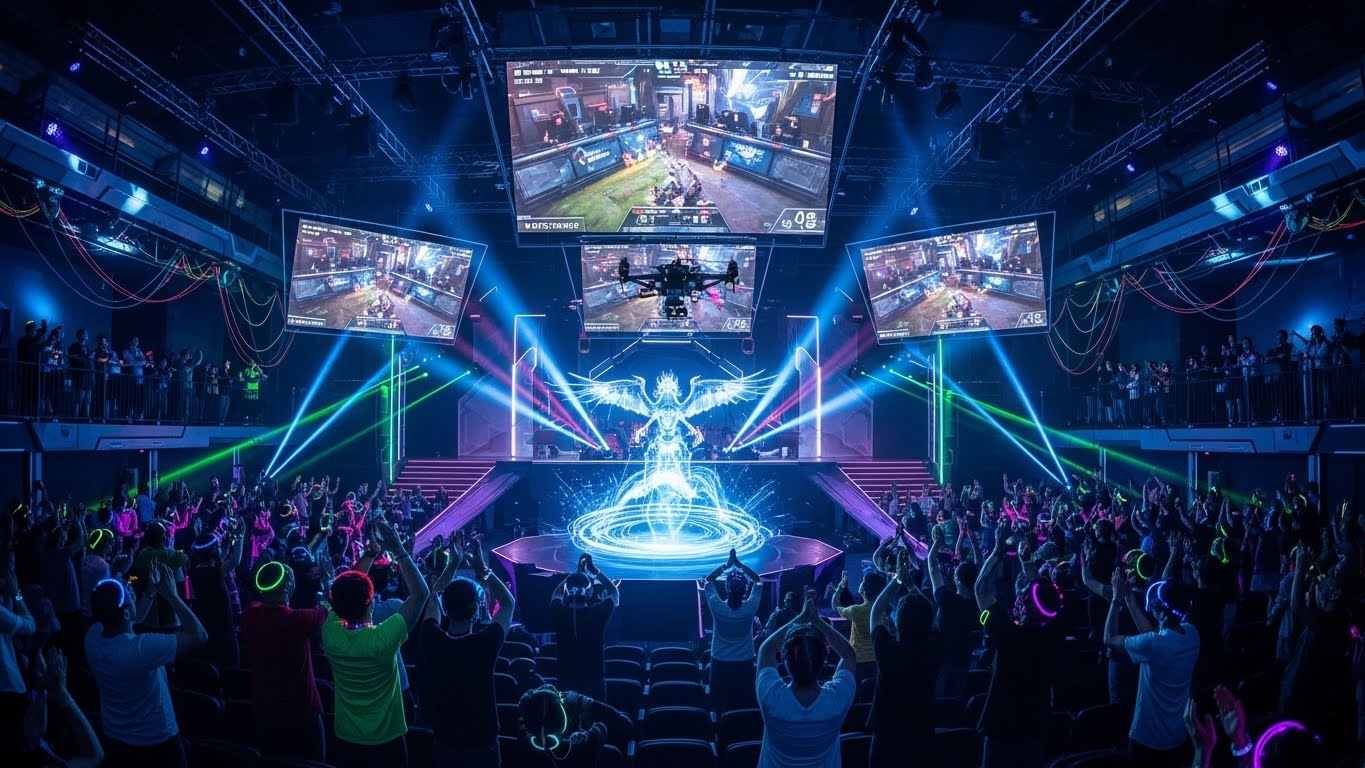
Introduction: Entertainment as a Cultural Cornerstone
Entertainment has always played a central role in human life, serving as a source of amusement, inspiration, and social cohesion. From ancient storytelling to modern streaming services, people have sought experiences that provide enjoyment and escape from daily routines. Entertainment not only captivates audiences but also reflects societal values, challenges norms, and inspires creativity.
In the contemporary world, entertainment has expanded into diverse forms, including movies, music, theater, digital content, gaming, and live performances. These mediums have evolved alongside technology, shaping cultural landscapes and connecting people across the globe. This blog explores the evolution of entertainment, its impact on society, technological advancements, and the cultural and economic significance it holds today.
The Evolution of Entertainment: From Oral Traditions to Digital Media
Entertainment has a rich history, beginning with oral storytelling, music, and dance in ancient civilizations. Storytellers passed down myths, legends, and cultural values, creating a shared experience that bound communities together. Theater in Ancient Greece and Rome combined drama, music, and performance to engage audiences intellectually and emotionally.
The invention of the printing press transformed literature and storytelling, making books and plays accessible to wider audiences. The 20th century introduced cinema and radio, revolutionizing entertainment by combining narrative with audio-visual technology. Television brought entertainment directly into homes, offering serialized stories, live broadcasts, and educational content.
In recent decades, digital platforms and the internet have redefined entertainment. Streaming services, online video, social media, and interactive content have made entertainment more personalized and accessible. Audiences now have the power to choose what to watch, listen to, or participate in, creating a dynamic and participatory entertainment landscape.
Entertainment as a Reflection of Culture
Entertainment mirrors society and often shapes cultural trends. Films, music, and television reflect social norms, explore human emotions, and highlight pressing issues. Through storytelling, entertainment allows audiences to understand diverse perspectives, navigate complex social issues, and engage with history and identity.
Music, for instance, has been a vehicle for cultural expression for centuries. Genres like jazz, rock, hip-hop, and classical music convey the values, struggles, and aspirations of their times. Cinema and television address societal themes such as mental health, gender equality, and social justice, fostering awareness and empathy.
Entertainment also influences fashion, language, and lifestyle. Iconic characters, memorable performances, and viral content become cultural touchstones, shaping everyday life and inspiring creativity. Entertainment serves as both a mirror and a driver of culture, highlighting trends while challenging audiences to think critically.
The Psychological Benefits of Entertainment
Engaging with entertainment provides mental and emotional benefits. Watching movies, listening to music, or playing interactive games can reduce stress, improve mood, and provide relaxation. Immersive experiences allow audiences to escape daily pressures and engage their minds in imaginative ways.
Interactive forms of entertainment, such as video games or virtual experiences, enhance cognitive skills. They improve problem-solving, decision-making, and multitasking abilities while fostering creativity. Collaborative entertainment, like team-based games or group performances, promotes social skills, communication, and cooperation.
Entertainment can also inspire personal growth. Stories of resilience, creativity, and achievement motivate audiences to pursue their goals, explore new ideas, and cultivate empathy. When consumed mindfully, entertainment becomes a source of enrichment rather than passive diversion.
Technological Innovations in Entertainment
Technology has revolutionized the way entertainment is created and consumed. High-definition visuals, immersive audio, and advanced animation have enhanced the sensory experience of movies, music, and games. Streaming platforms have enabled instant access to content, while social media allows audiences to interact with creators and communities.
Virtual reality and augmented reality have introduced new forms of immersive entertainment. VR concerts, interactive storytelling, and 3D simulations provide experiences that engage multiple senses, creating deeper connections between audiences and content. Artificial intelligence is also being used to personalize recommendations, analyze audience engagement, and even assist in content creation.
These technological advancements not only enhance audience experience but also broaden accessibility, ensuring that entertainment reaches people regardless of location or device.
The Business of Entertainment
The entertainment industry is a multi-billion-dollar global enterprise. Revenue streams include movie and music sales, streaming subscriptions, live events, merchandise, sponsorships, and advertising. Large studios and production companies dominate mainstream markets, but independent creators also play a crucial role in diversifying content and pushing creative boundaries.
Live events such as concerts, theater performances, and sports events contribute significantly to local economies. They create jobs, stimulate tourism, and support ancillary industries such as hospitality and marketing. The business of entertainment is not just about profit; it fuels creativity, provides employment, and drives innovation across sectors.
Entertainment and Education
Entertainment has long been a powerful tool for education. Educational content, documentaries, and informative media engage audiences while providing knowledge. Gamified learning experiences combine fun and education, making complex subjects accessible and memorable.
Simulation and role-playing games provide practical experience in controlled environments. They teach critical thinking, strategic planning, and problem-solving skills. Schools and universities increasingly incorporate entertainment-based learning to foster engagement and motivation among students. Entertainment-driven education demonstrates that learning can be interactive, enjoyable, and effective.
Cultural Impact and Global Reach
Entertainment shapes global culture by connecting audiences across borders. Popular films, music, and digital content reach international audiences, fostering cultural exchange and understanding. Globalized entertainment introduces people to diverse traditions, languages, and artistic expressions, promoting empathy and appreciation for different perspectives.
Social media and digital platforms amplify the cultural impact of entertainment. Viral trends, fan communities, and online discussions create shared experiences that transcend geography. Entertainment becomes a universal language, uniting people through common interests and collective participation.
Challenges Facing the Entertainment Industry
Despite its growth, the entertainment industry faces challenges. Piracy, copyright issues, and digital content theft threaten revenue streams. Balancing creativity with commercial interests can sometimes stifle innovation. Additionally, excessive consumption of entertainment may contribute to sedentary lifestyles, reduced social interaction, or mental fatigue.
Inclusivity and representation remain ongoing challenges. Audiences demand content that reflects diverse experiences and perspectives. The industry continues to evolve to meet these expectations, promoting equity and authentic representation in storytelling, casting, and creative leadership.
The Future of Entertainment
The future of entertainment promises continued innovation and interactivity. Emerging technologies like artificial intelligence, virtual reality, and augmented reality will provide more immersive, personalized experiences. Streaming services and interactive platforms will make entertainment accessible to global audiences in real time.
Cross-platform collaboration between gaming, film, music, and social media will blur the boundaries between traditional and digital entertainment. Audiences will increasingly participate in co-creation, shaping narratives, influencing trends, and interacting with content in ways that were previously unimaginable.
Entertainment will also continue to serve as a vehicle for education, cultural exchange, and social change. Its influence will extend beyond leisure, contributing to societal awareness, creativity, and personal development.
Conclusion: Entertainment as a Force for Connection and Creativity
Entertainment is more than amusement; it is a reflection of human creativity, culture, and connection. From ancient storytelling and theater to modern streaming platforms and interactive experiences, entertainment has continuously adapted to technological, cultural, and social changes.
It captivates minds, inspires creativity, fosters empathy, and brings people together. Whether through film, music, gaming, or live performance, entertainment provides shared experiences that unite communities, challenge perspectives, and stimulate imagination.
As technology and creativity continue to evolve, entertainment will remain a vital force in shaping society, culture, and human connection. It is not merely a pastime; it is a powerful medium that informs, inspires, and engages, offering limitless opportunities for exploration, learning, and enjoyment.
In a world increasingly connected by technology and culture, entertainment stands as a testament to humanity’s desire for storytelling, creativity, and shared experiences. It continues to define the way we experience life, learn about each other, and celebrate the art of imagination.